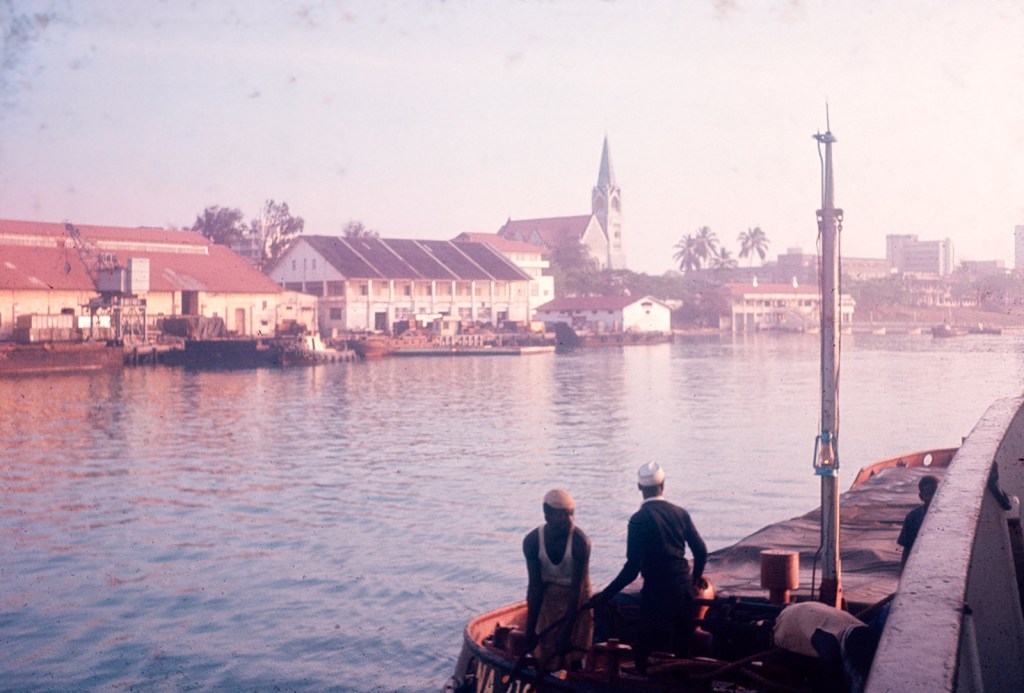
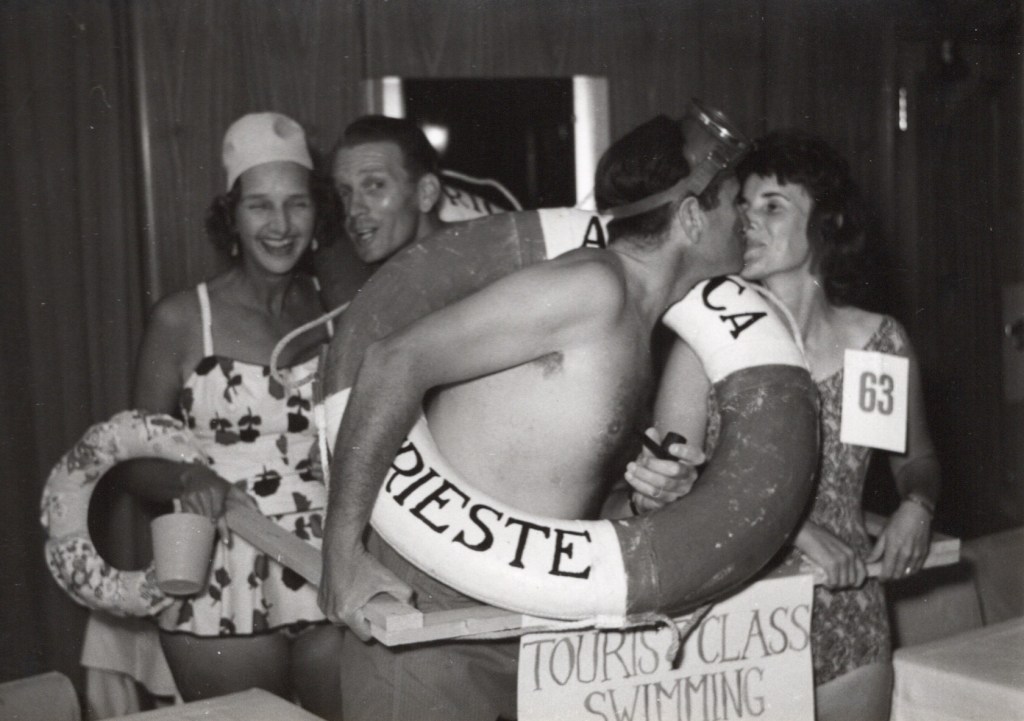
By this time my parents were living in Dar es Salaam and my father had a job in the Ministry of Foreign Affairs. They travelled back to Dar after home leave in England on the Durban Castle, stopping at Malta and Aden, where they bought a gramophone and entered the fancy dress competition, ‘Tom and I in ghastly masks, as an ayah and baby (the pram has never been the same since) and Vicky as a very cute little pin-up girl in black and white and frilled panties and bra (see below). She was killingly funny when she ran on to be judged – everyone clapped so she stood in the middle of the room and clapped delightedly herself.’
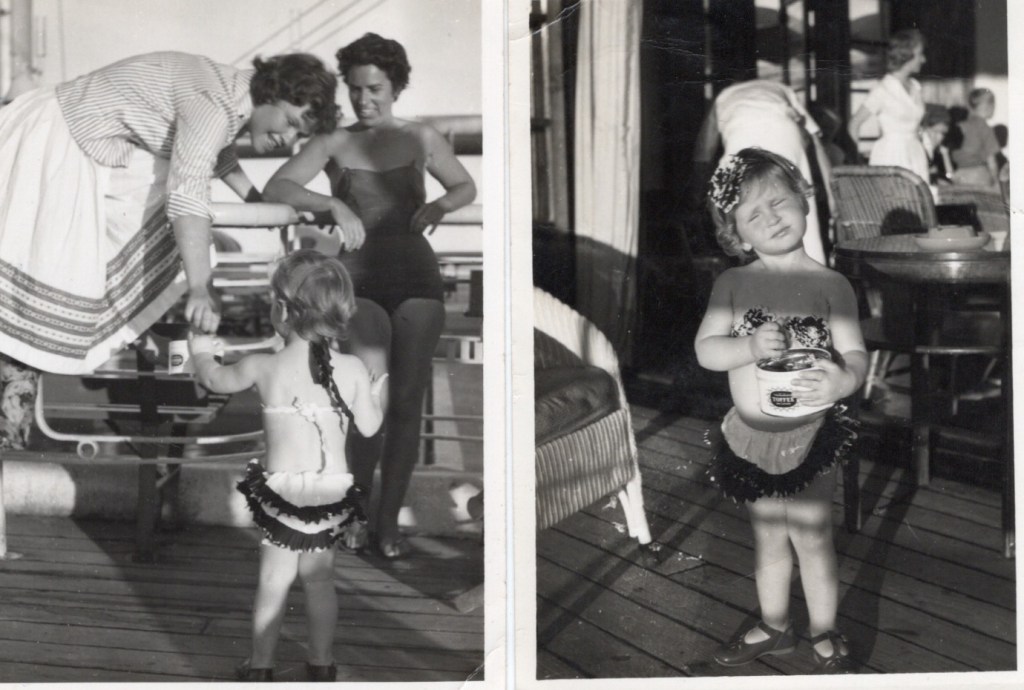
They arrived in Dar and Dad took mum straight to their new house [3 Mzinga Way] ‘miles out of town and not at all where we wanted to be. The garden is a complete wilderness but the house, although due for redecoration, not too bad and furniture well-cared for and polished..we have just bought an electric kettle – the first we have ever owned. It is a fast boiler and cost £5…V is running around in a pair of pants only [the great sorrow of my childhood, only ever being allowed to wear a pair of pants]… Tom doesn’t like his job one bit…but then hardly anyone does like the Secretariat after a District…he is well equipped however [he got an early version of a Dictaphone!].
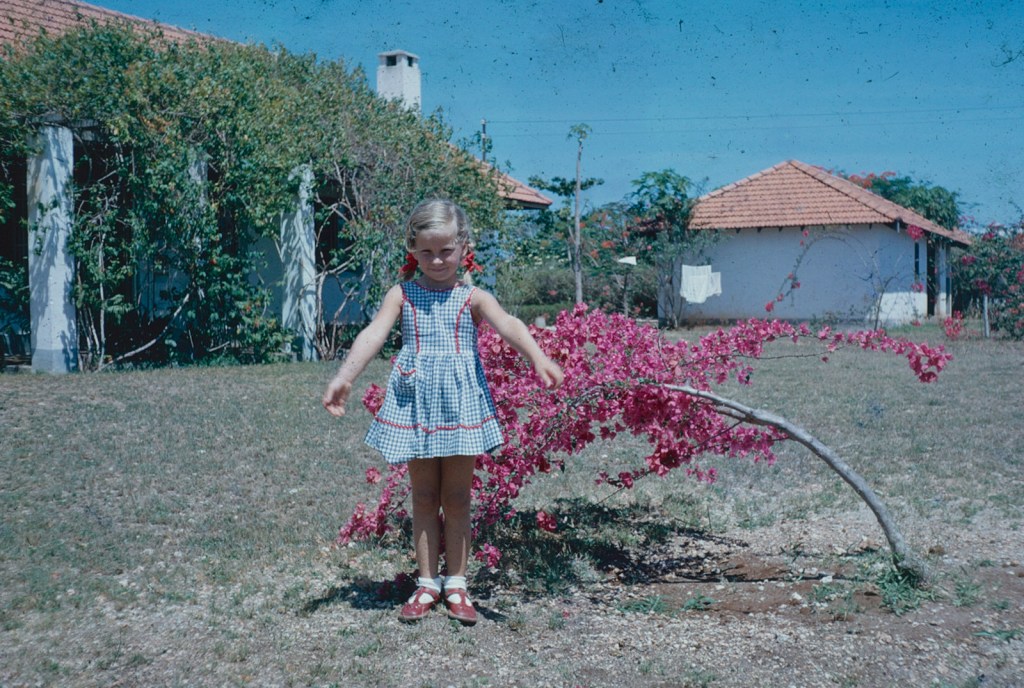
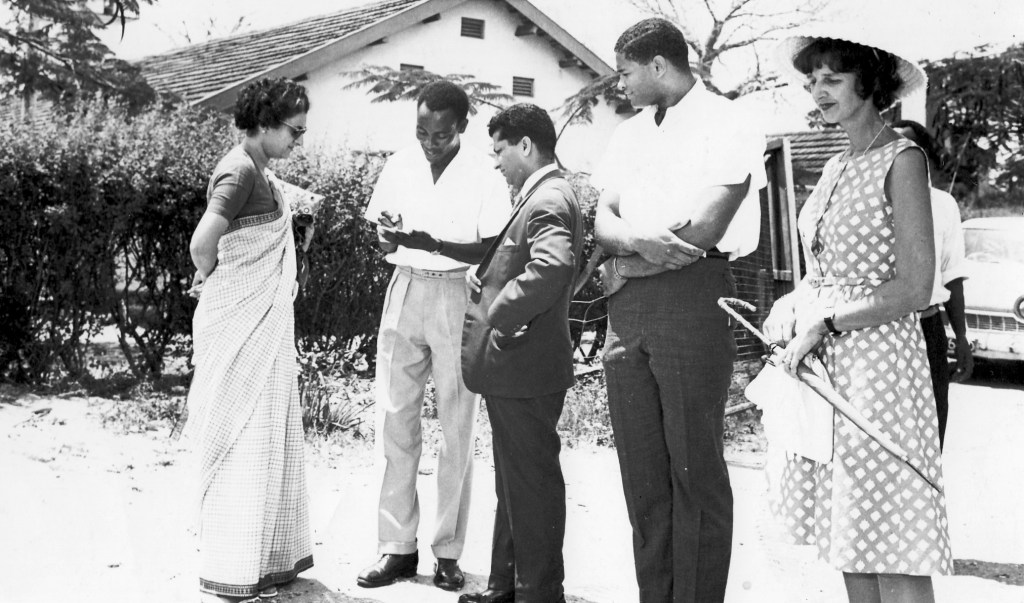
Mum got a job to supplement the family income, as Dad was travelling a lot with his job as some sort of PR man for the government. This resulted in her escorting Mrs Gandhi on her visit to Dar in 1961.
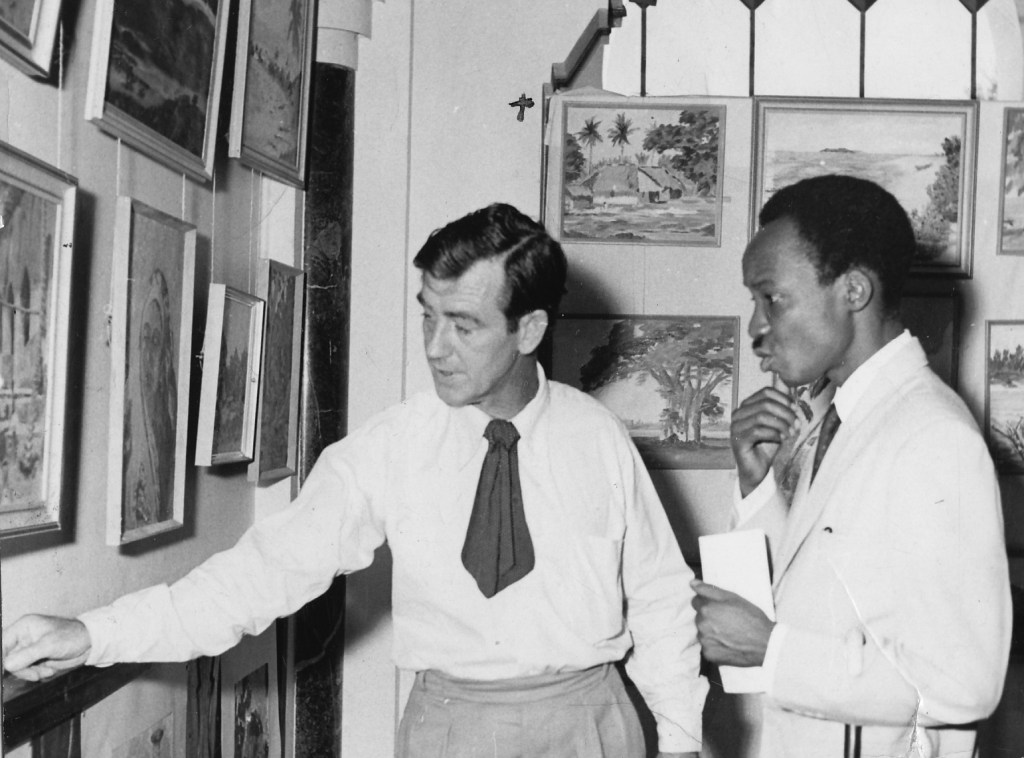
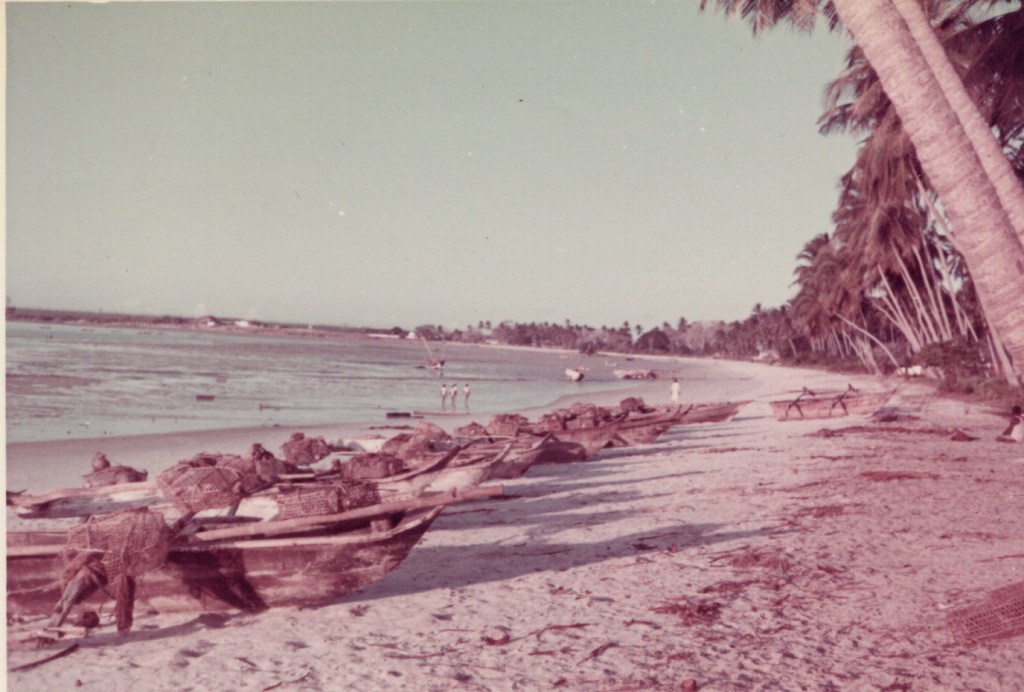
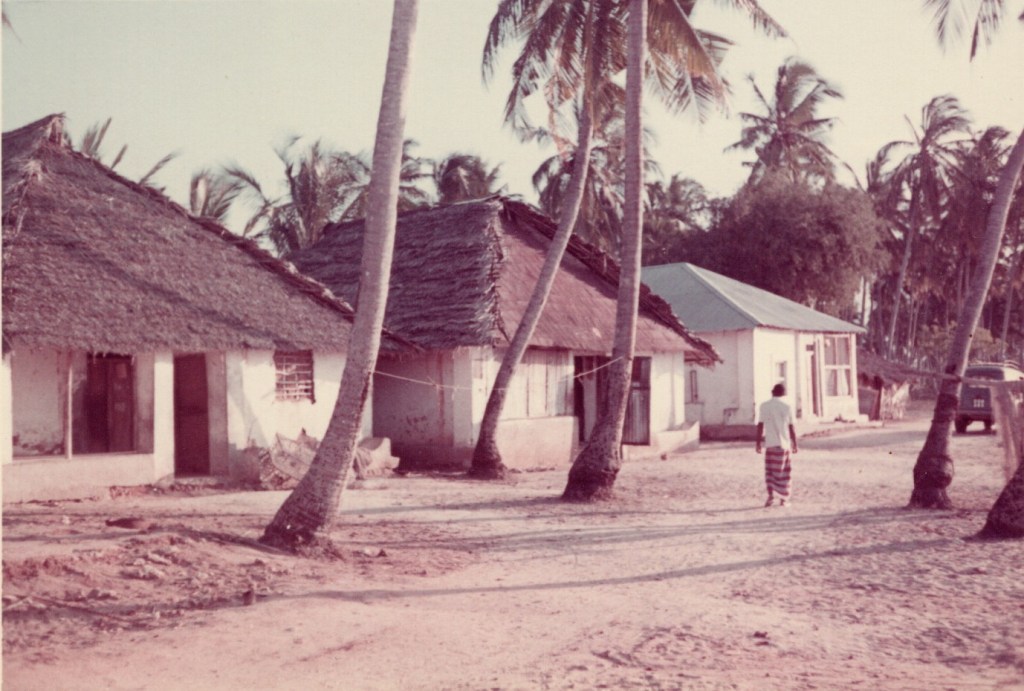
She also learned to paint, and enjoyed going down to Msasani when it was still a little fishing village. I used to go with her from time to time.
They had another literary success with an encounter with Anthony Smith who recorded it in his travel memoir, ‘Yes it is us in High Street Africa – in fact if you have kept my letters you would be able to look back and find the incident in the funny old hotel described …I simply daren’t spread it about here that it is us as I couldn’t face people’s reactions especially as what I am supposed to have said is absolutely fabricated’.
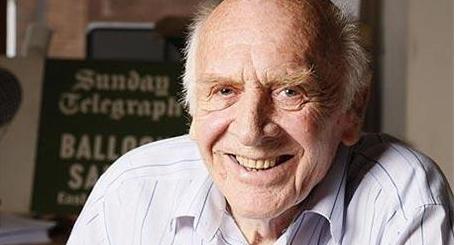
It all centred round a chance encounter in a hotel run by an elderly Irish woman whose servant had gone off and she couldn’t start the generator, find a can opener, make the beds or provide any food. Smith makes it all into a funny story including a frank exchange of views on the future of Tanganyika and attributes opinions to my mum. which she was appalled by – so I won’t repeat them!
This is the quote from the book
I like the DC. Quite plainly he loved Africa and his job obviously suits him and has all the confidence of a round peg in an equally round hole. His wife I like even more for, quite apart from sharing his feeling for the work, she was extremely attractive …and I could see her dark deep-set eyes [blue in fact]. The eyes of so many people are just globular and seemingly disconnected from the brain but hers were full of life. Her neck was long and however she placed her body and its limbs the result was exceedingly easy to contemplate.
And here is the inscription:
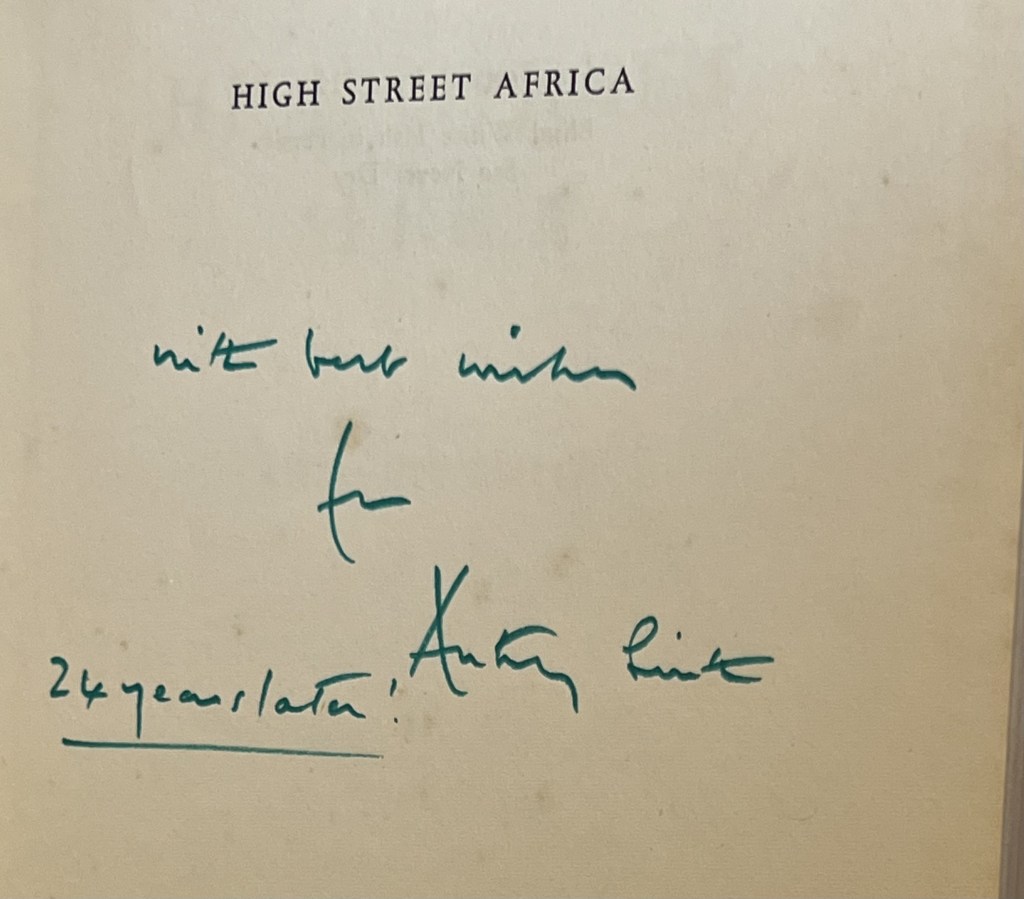
And my mother, notes in pencil under the passage: ‘Thank goodness I am not recognisable to anyone whom I think who I know in Tanganyika Territory not only for what I am said to have said but from the flattering remarks’. Smith, who she tracked down as you can see for the inscription, died in 2014. They used to meet up in London from time to time.
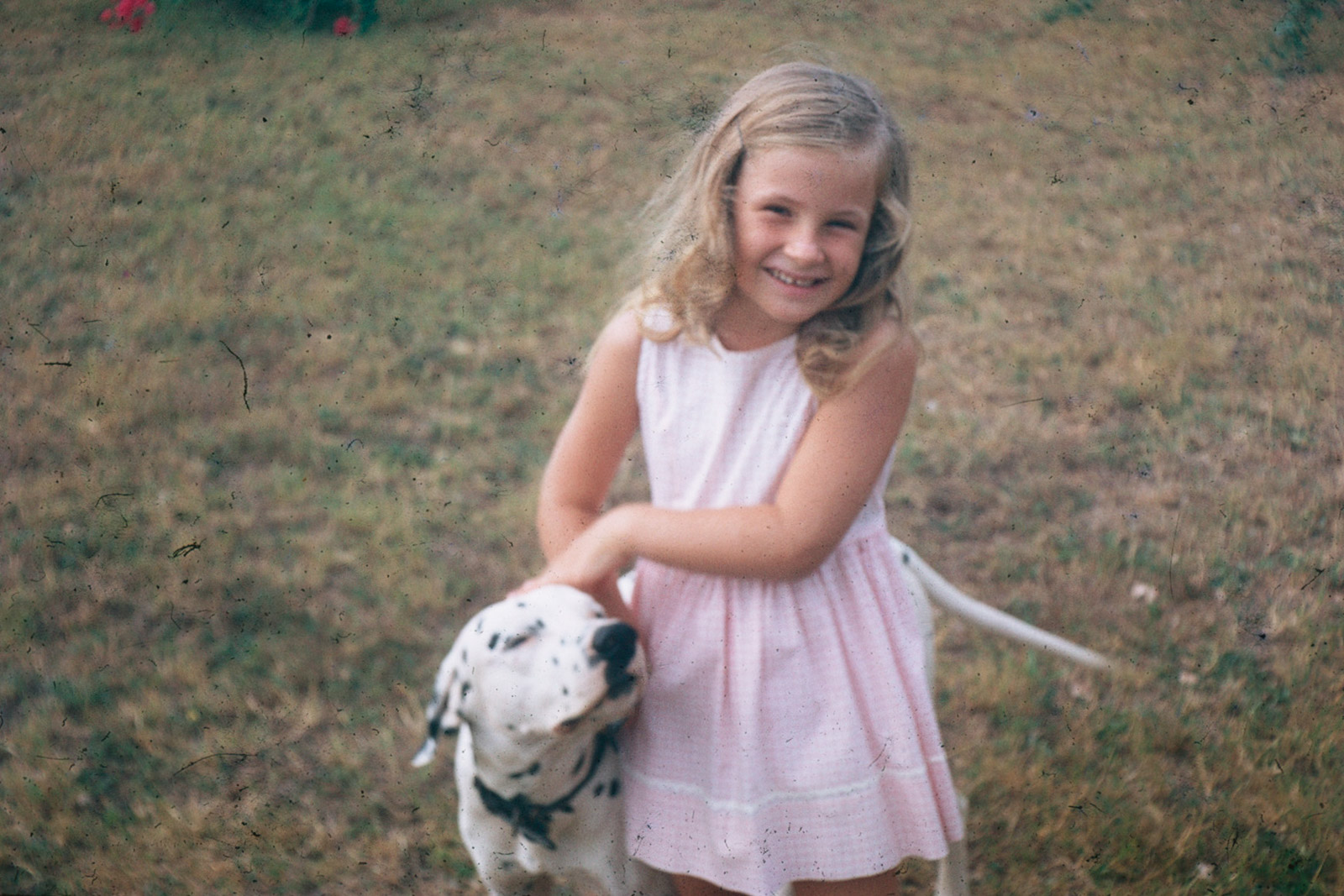

In December 1961, Tanganyika celebrated Independence from being a colony of Great Britain, and in 1962 became a republic.
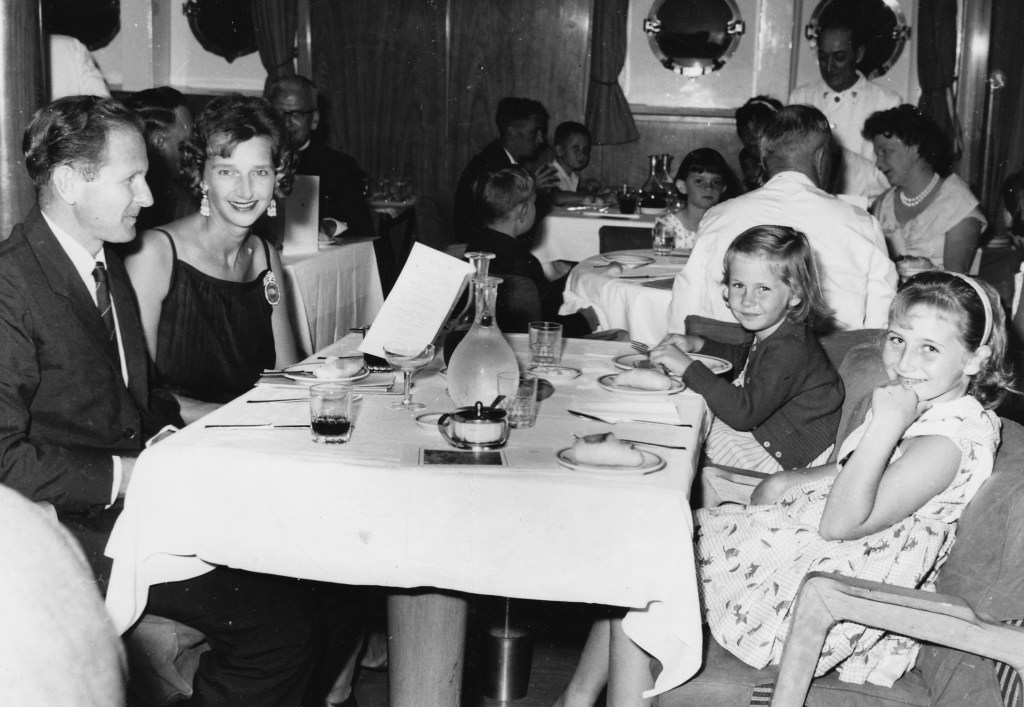
They went on. leave again in May 1962 and there are some jolly pictures of them on the boat.
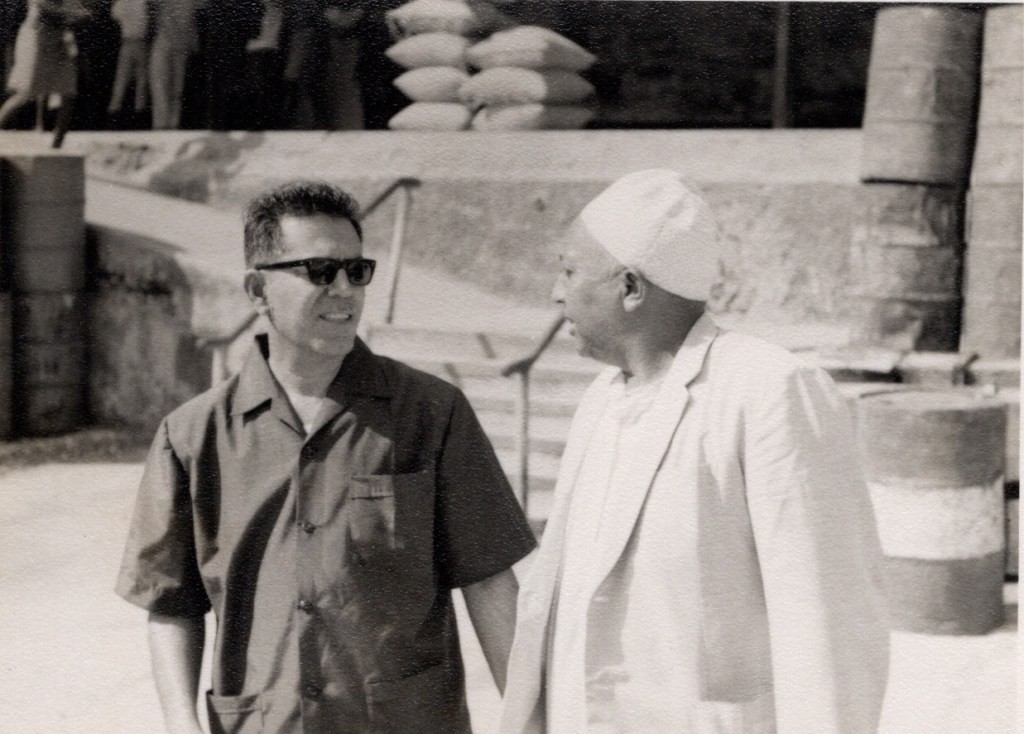
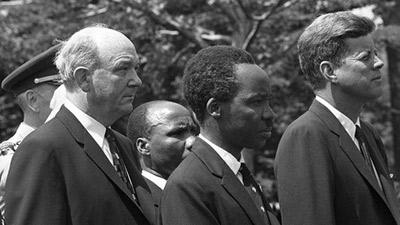
In June 1963 President Houphouët Boigny of the Ivory Coast made a State Visit, and they went to the parade ground ‘in full fig’ . My father here in white suit just behind the two presidents, in his role as acting Permanent Secretary of Foreign Affairs. I even found a link to a Tik Tok video taken on that day and can see Dad in the background!

Arab Chests
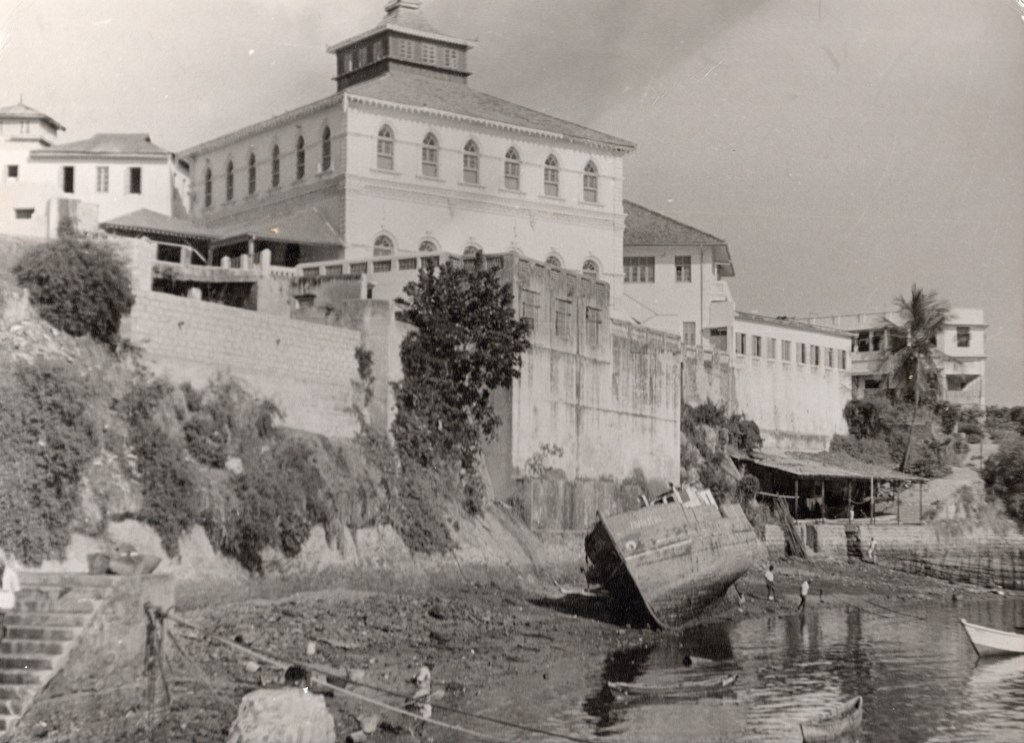
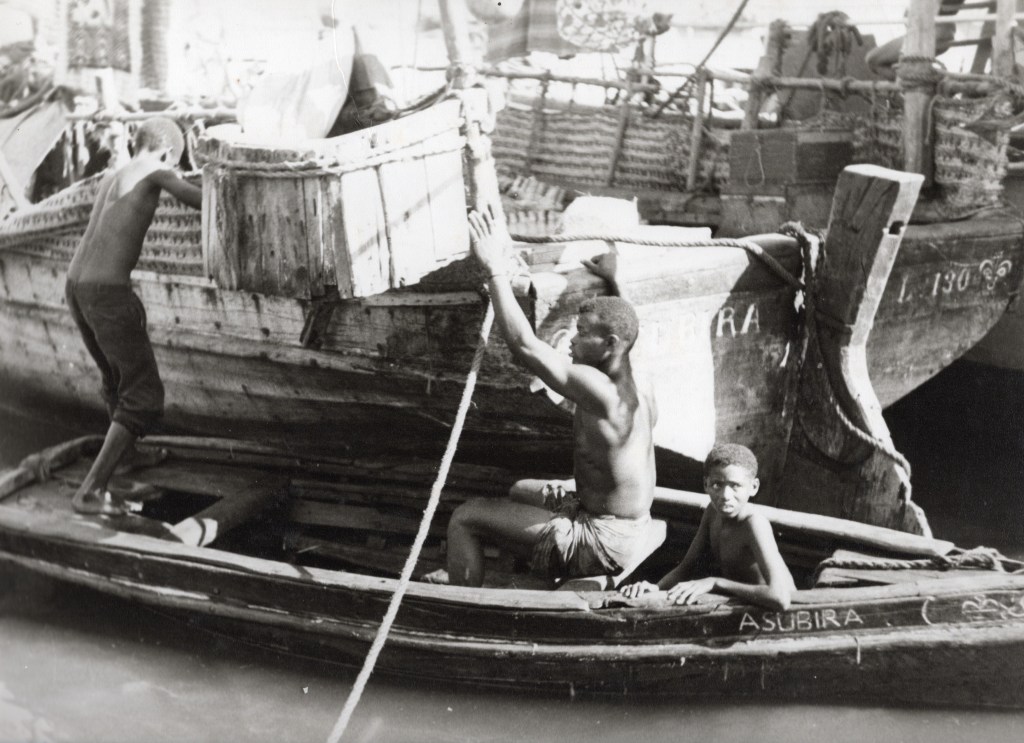
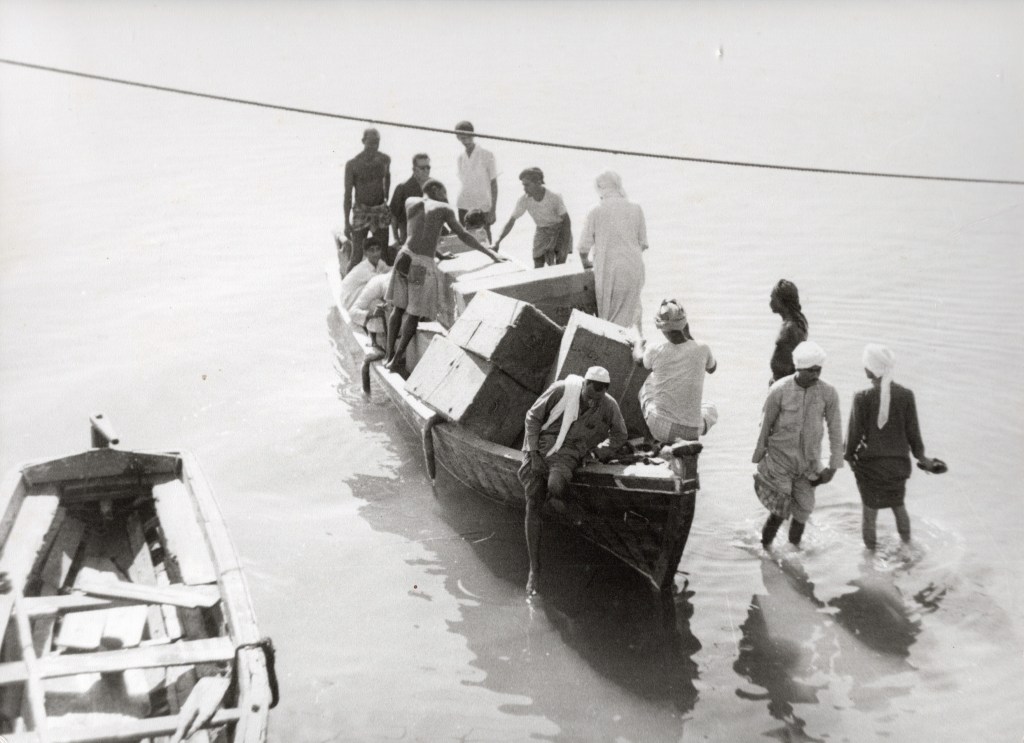
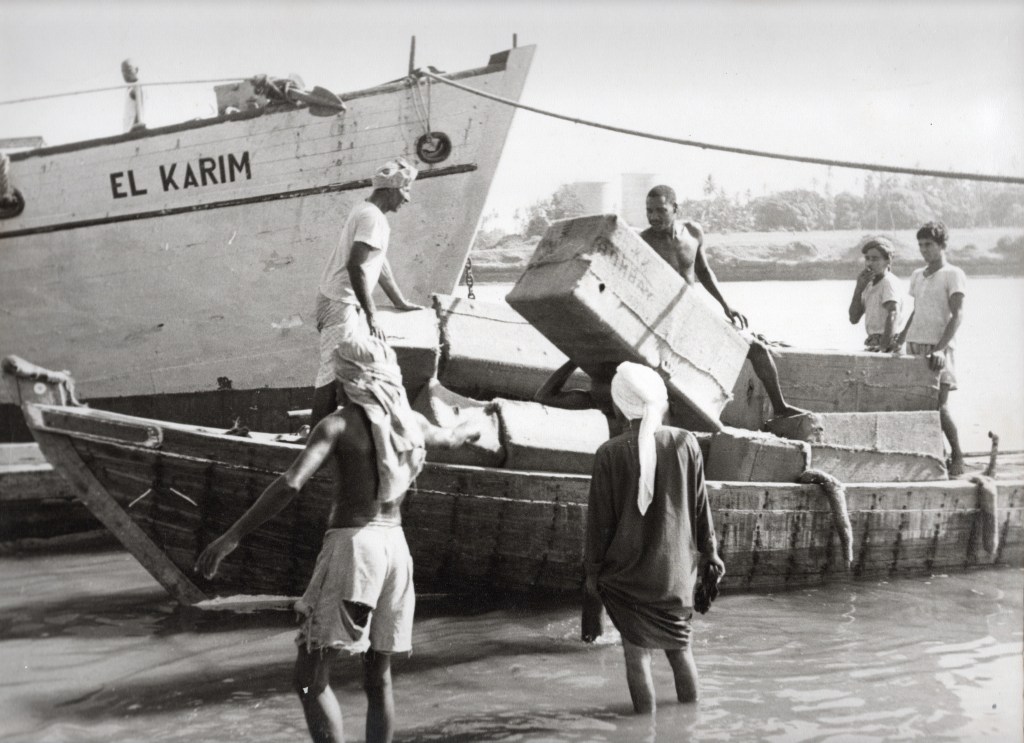
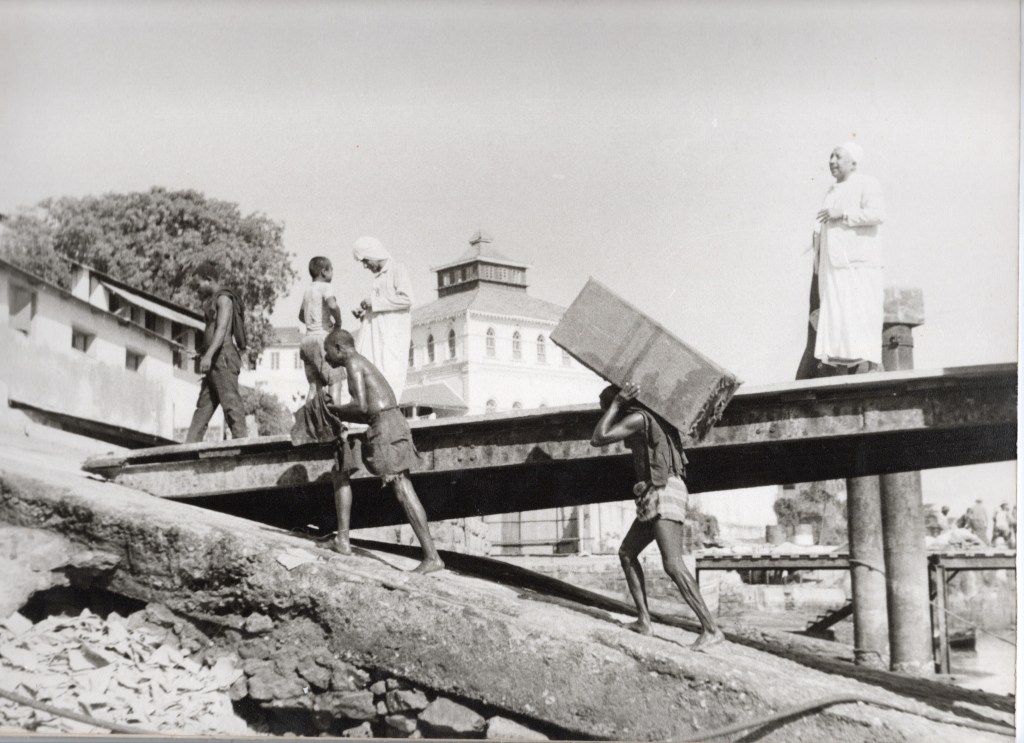
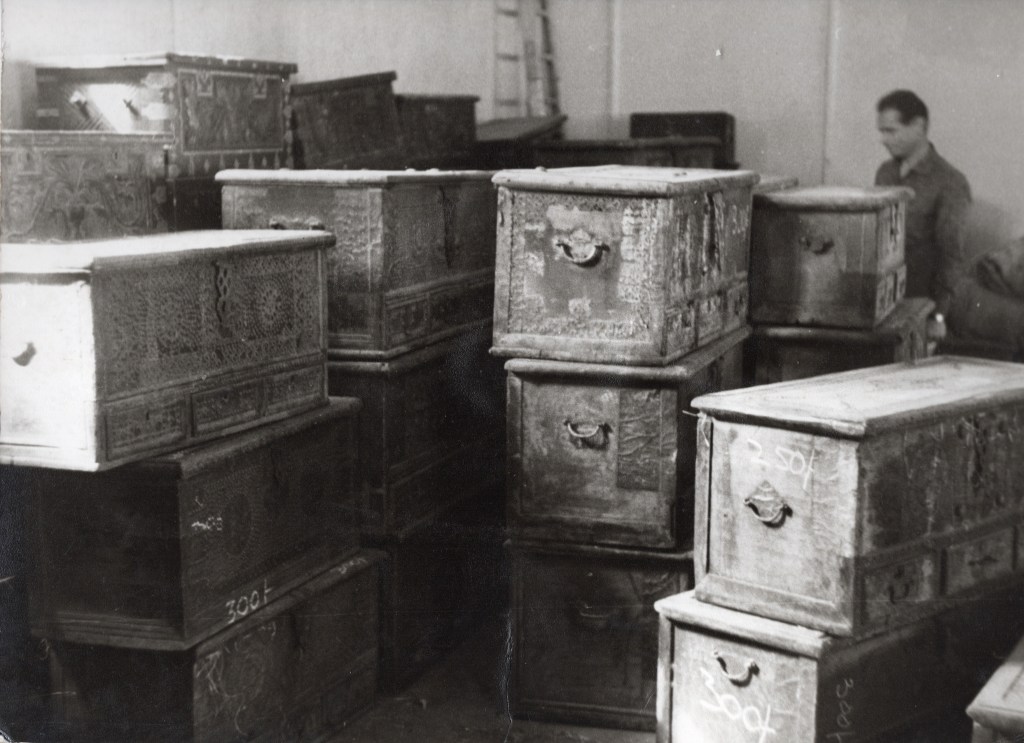
Also in 1963 my mother began her life-long hobby and obsession with Arab Chests. These are large teak chests, covered and studded with brass which arrived in Zanzibar and Mombasa on dhows from Oman. She started buying small quantities, first four then seven and finally 40. She worked with a blind Zanzibar Omani, Mohammed Matar, whom she had met in Zanzibar and with whom she had a business relationship and firm friendship for several decades, buying long distance from Zomba, then Nairobi. In her 80s she published the definitive work on the subject, The Arab Chest, tracing the origins and influences of these magnificent items.

The TAR Mutiny
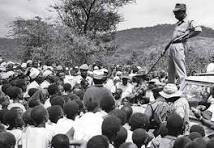
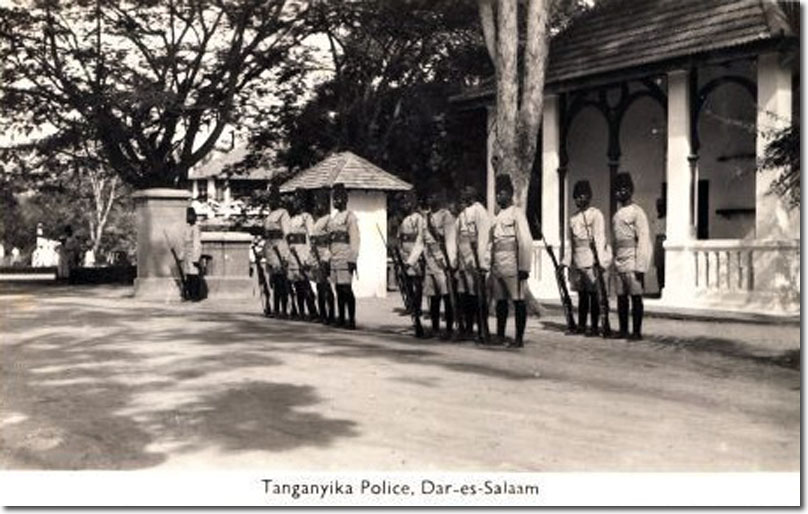
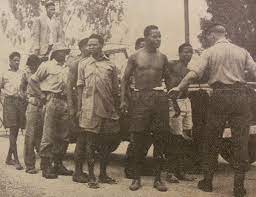
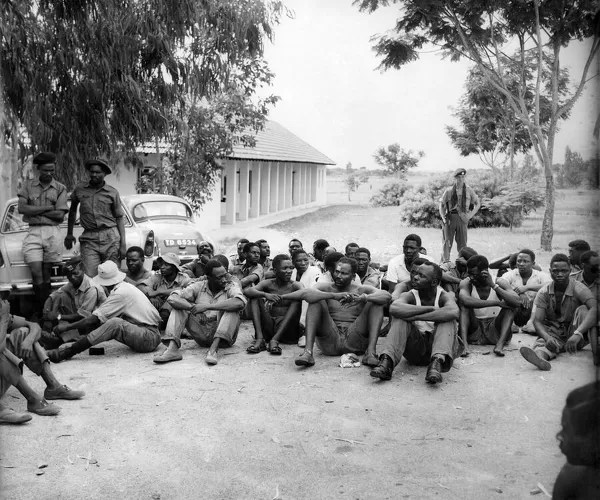
In January 1964 the Tanganyika Africa Rifles mutinied; this followed shortly after the Zanzibar Revolution which overthrew the Sultan who was sent packing to Oman and, later, the two states merged to become Tanzania in March 1964. Mum write a huge long eyewitness account of the mutiny; I include excerpts of here:
We had rather an exciting time. The night began with Vicky having a bilious attack and it was about 1.30 when we got to bed. We hadn’t been in bed for long. I think it was about 4.30 when the phone went and as Tom was such a long time in coming back to bed, I got up myself to see what was happening. He had just finished speaking and told me that the army at Colito barracks 5 to 6 miles north of the town had mutinied.
He then spent a long time telephoning all the people he thought ought to know. Meanwhile I went back to bed but not to sleep. After a while, I thought I heard people talking in the sitting room and rose again to find Pat Douglas, the Brigadier in charge of Tanganyka Rifles and another officer, a Major Marciandi, talking to Tom. Apparently at 3 am the soldiers had risen and captured as many of the British soldiers as they could but Pat, who lives in a large house right at the top edge of the camp, had managed to escape with Alexa, his wife, and Philippa, his six-year-old daughter, by running out of a back entrance and through the bush to the house of the Organs, great friends of ours who live about quarter a mile away… Pat persuaded them to go with Alexa to the Gilchrists who live in Oyster Bay, not far from us, who have diplomatic immunity as he is the Australian High Commissioner. They’ve been lucky in escaping as they kept falling over noisy tin cans and the little girl cried and to top the whole thing off the cat kept following them.
Pat then collected Colonel Montgomery, who also lives in Oyster Bay, and somehow Major Marciandi, and then went from house to house, making phone calls. Every time they made a trunk call they had to move as the place was at once given away because you have to give the number you’re calling from. Eventually they arrived at our house all in civilian cars which they parked around and about and avoiding army patrols as they came.

…By this time it was getting light. I got dressed, made tea – they had all been swigging at the slivovitz bottle which a Czech diplomat friend had kindly given us recently, and which came in very handy. Pat had left his Batman outside our front gate, a corporal armed with a panga which seemed rather unwise. We got him in and there was some discussion as to whether he should go in the house or stay with us. In the end, they took him as they felt it was then time to move on. They all seem very worried about the situation and advised that Vicky and I should go to the British High Commissioner’s house for safety, which I didn’t want to as I felt it would be a dreadful scrum with everyone else having the same idea.
After they had gone we decided to have breakfast as the cook, Aya and shamba boy had turned up not knowing what happened. It transpires that Pat Douglas went off to the house of another officer, and Major Marciandi and another major (Lovell-Butt) who lives two houses away, went off by car to warn a sergeant who lives in a house some distance from here.
We sat down for breakfast but not long after the two majors came breathlessly rushing to say that Pat had been captured. Apparently he had gone from here to the house of an army education officer, who lives in the next road, and when the majors returned to the house they saw the whole whole lot of them being rounded up and driven off.
Tom now insisted that Vicky and I took refuge in the Canadian High Commission and Mary Cadwallader and her daughter Denise, also neighbours, decided to come too as I felt that the British would be overloaded.
We passed the day rather idly doing a jigsaws, phoning for news, helping with food preparation, just resting. Vicky appeared to be be feeling better but obviously had a bad throat [tonsillitis]. At lunchtime the radio came on for the first time the local station and we heard Mr Kambona [PM] in English and Swahili. We were constantly watching out for the arrival of the frigate Rhyl [hot from Zanzibar where she had been sent to help out in the Revolution; I had some photos of us watching her arrival from Msasani but I think they are now in the Unwin collection in the Bodleian Library]. During the day we heard that Pat Douglas and the majors had all managed to either escape or avoid arrest and had gone to the British High Commission.
All the time we were wondering what had happened to the President who had not been heard on the radio and no report as to where he was. We have today heard that he is safe and well, here in town and will broadcast this evening. We can’t help wondering why he hasn’t done this before and if he really has been in protective custody. When the Rhyl eventually turned up at about 5 pm, I noticed her first and ran out crying, ‘The Navy is here’ with everyone following. Actually the Rhyl is only a frigate and can do nothing as it only has 100 troops on board and looks lovely lying there close inshore, flags a-flying.

The Tanganyika Rifles didn’t like the look of her at all, and later she was ordered by the Minister for Home Affairs to lie a bit further out. The news reports that she’s patrolling off Dar, and certainly isn’t visible at the moment.
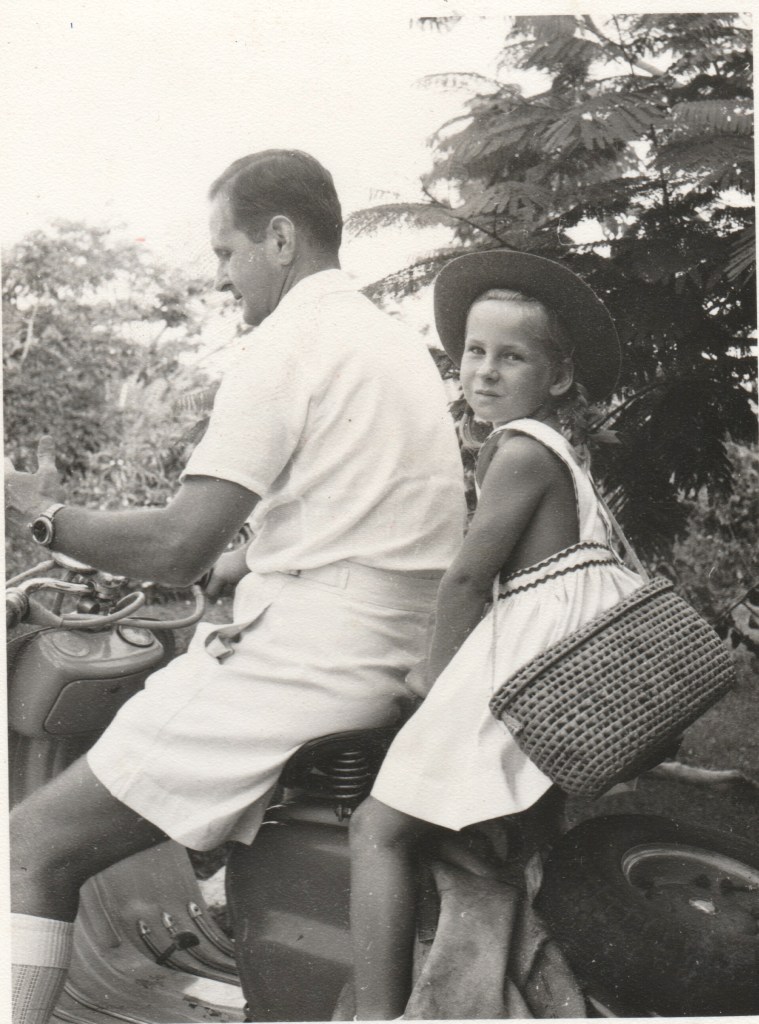
At about 5 pm we all returned home for the night which was peaceful. The men in the road carried out a patrol among themselves but nothing happened and repeated broadcasts urged people to go back to work. Certainly our local shop has been open and the milk and paper delivered. Today Tom took Vicky to to the market to get vegetables, everything calm, quite a lot of shop windows broken and looted. It is the poor Asians who have suffered.
After he had returned Vicky, he went into town again and was standing outside Barclays Bank talking to the head of the Railways and Harbours, when a crowd of people came rushing by followed by a police car which had bayonetted rifles sticking out of the windows. They wanted to know where the Arabs were, to which Tom replied they were none and eventually they drove off. He then went a mile so down to the other end of the street where people had said there was other trouble. The crowds were rushing off in the opposite direction and on being asked why, they said, oh there is trouble at Barclays Bank. So you see how disorganised it all is…
Later, 22 Jan : we heard the President on the radio last night in Swahili he spoke of the great disgrace of the country and how all must return to work. It seems he’s been in State House all the time. No one seemed to have heard what happened to Mr Kawawa, the vice president.
Twenty people seem to be killed and a lot injured in the end. I think you could just put it down to bad government. It would’ve been controlled in a few hours. Although the Navy, with soldiers on board will be here tomorrow, no one seems to think it at all necessary and, like Zanziba,r no doubt they will just stand off to evacuate the British subjects, which isn’t likely to happen now.
Things seem to be far worse in Zanzibar but there is no normal contact with the island, yet the poor Arabs and Indians have been worse hit, some of the photos in the paper are pathetic. I hope to go over as soon as possible with clothes et cetera for the Matars {Sheila’s Arab chest dealer] and the other hard-working hard-hit friends and relatives.
As she reported in a letter to her mother in Feb 1964:
I spent a lot of time and money last week working hard for that Matar Family, my blind chest contact from Zanzibar. I got a letter from the father on the Monday saying that he and four children were Mombasa but the wife and baby was still in Zanzibar. I then phoned him up to learn that though he wanted to return to collect them he was unable to do so so. I said I would get her out…I got the passport officer, frightfully helpful man, who took down all particulars and promised to ring me back with news of Bibi Khadija the next day. Apparently she has a passport, was quite safe, and so I arranged for her to travel to Mombasa this week. Next I got another phone call from Mr Banks the passport officer to say she wanted to take the mother’s help Latifah with her. After much thought, I decided this was fair enough so a ticket was dispatched to her also. So they go tomorrow and I only hope arrive safely. Bibi Khadija has never been out of Zanzibar before let alone on an aeroplane and is in strict purdah behind an all-enveloping black garment…
Leaving
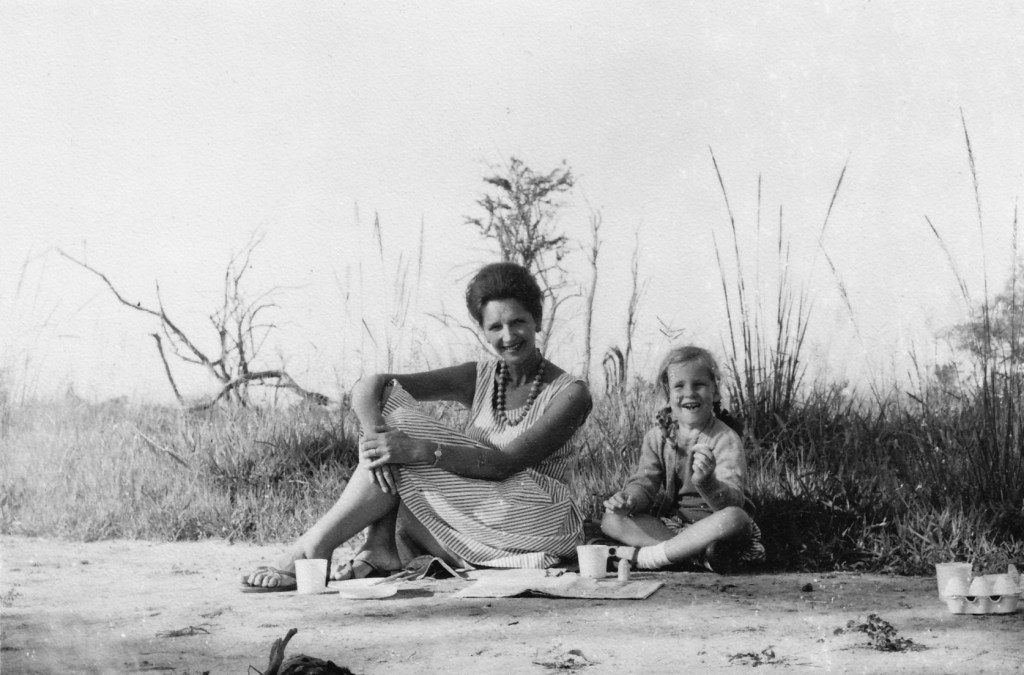
In June 1964, my father was offered the choice to stay and take on Tanzanian nationality or to leave. He chose the latter although it almost broke his heart. He went off to Europe to look for a new job while Mum and I stayed in Dar, went on safari to Manyara, Ngorongoro crater and Serengeti, and finally to Mafia, where she was to take part in Neville’s archaeological dig, excavating the ruins.
 Travels with my mother