Persepolis freezes – Persians & Achmaeneds
In April 1969, Mum and I travelled to Addis together. She was en route to a trip of a lifetime – to Saudi Arabia, Dubai, Persia and finally to Ankara for a final show-down with my Dad and his new girlfriend; I was on my way back to boarding school. I remember well that on take off our plane was hit by a bird strike and we skidded to the end of the runway – a near miss. We waited while they repaired two burst tyres, ‘Vicky was very irritated’ – and so I was!
Saudi Arabia
After overnighting in Asmara, she set off on Saudi Airlines ‘smelling of scent and garlic’ for Jeddah. Part of the transit deal was an overnight stay. As there was no map of Jeddah available ‘one of the reception clerks offered to take me around the town. He was Moroccan and was lonely, no girls, no drink’. After a rather dull tour as he had no idea what Mum wanted to see, he suggested a 7 Up and they went by cab to his house…’by this time I realised his intentions were not altruistic but what to do! We went in and he locked the door. Hum. I told him I had no intention other than having a cold drink with him; I was old enough to be his mother etc etc’. He was contrite and walked her back to the hotel. As Sheila tartly remarked ‘I felt very sorry for him but couldn’t see that I was the one to save him.’
Unsurprisingly wherever she went in Saudi there were no women to be seen and local bureaucracy was much in evidence: none of her telexes regarding transit hotels in each place had arrived and she had difficulty in arranging accommodation, in a country where little English was spoken. Despite Saudi being dry, she had risked taking whisky in a plastic bottle with her, ‘which by good chance the the customs people hadn’t found – they are very strict about liquor and it doubtless it would have been confiscated’. Or perhaps she might have been thrown into jail and had her hand cut off, punishment her Moroccan ‘friend’ had told her about.
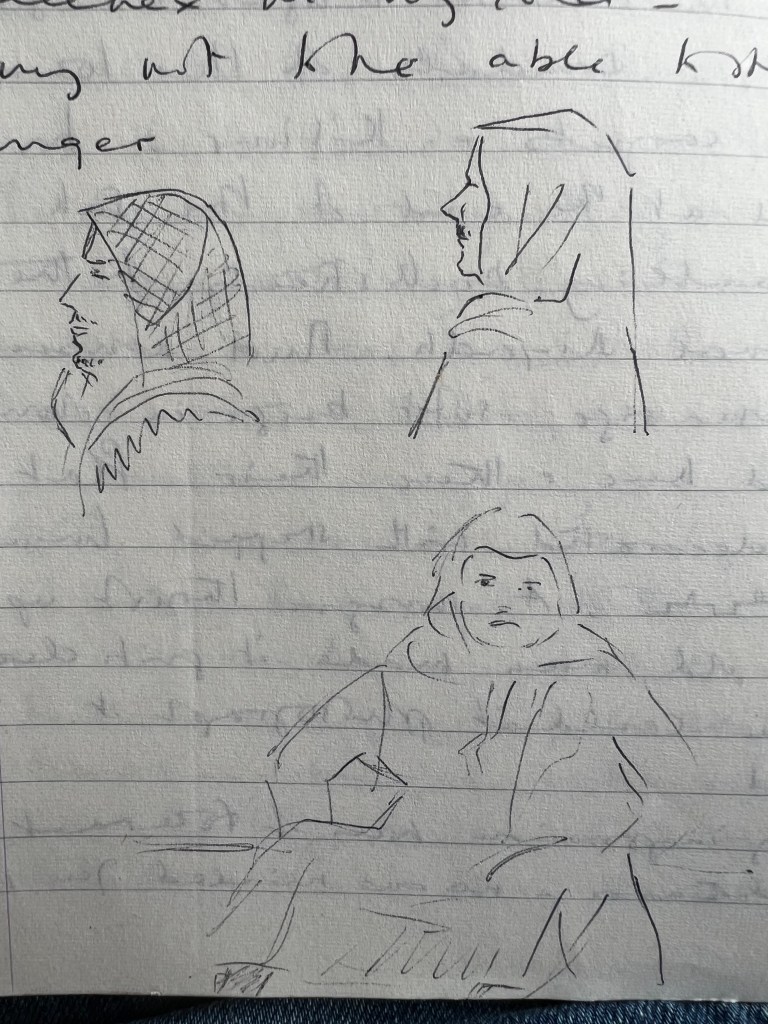
In Riyadh she visited the bazaar, where ‘throngs of Arabs were hawking and bartering, selling such things as watches and scent…in the back streets women wholly enveloped in black, face and all, squatted back to the wall selling rabbits, and chickens in baskets and cages; vegetables…my impression was of tolerant friendliness – no-one minded you nor you cameras provided you didn’t take the mosques and certainly there was no objection to short skirts and no sleeves’. At the airport she made some nice sketches of her fellow passengers.
From Riyadh to Dhahran – ‘the most superbly designed airport building I’ve ever seen’. Waiting for her plane she struck up conversation with a UN Indian expatriate couple who complained bitterly there was ‘nothing there, no clubs, no places of public entertainment, no privileges or immunities’. The shops close every six hours for prayer and there are enforcers who go round beating people up who do not comply… ‘they are the law of the country and even the king, who is said to be go-ahead, is handicapped by them’. The previous year the international school had been closed for 8 months as they demanded segregation of the sexes amongst all the pupils and that all women teachers and girl pupils should be veiled. She was quite relieved to be going straight to Dubai!
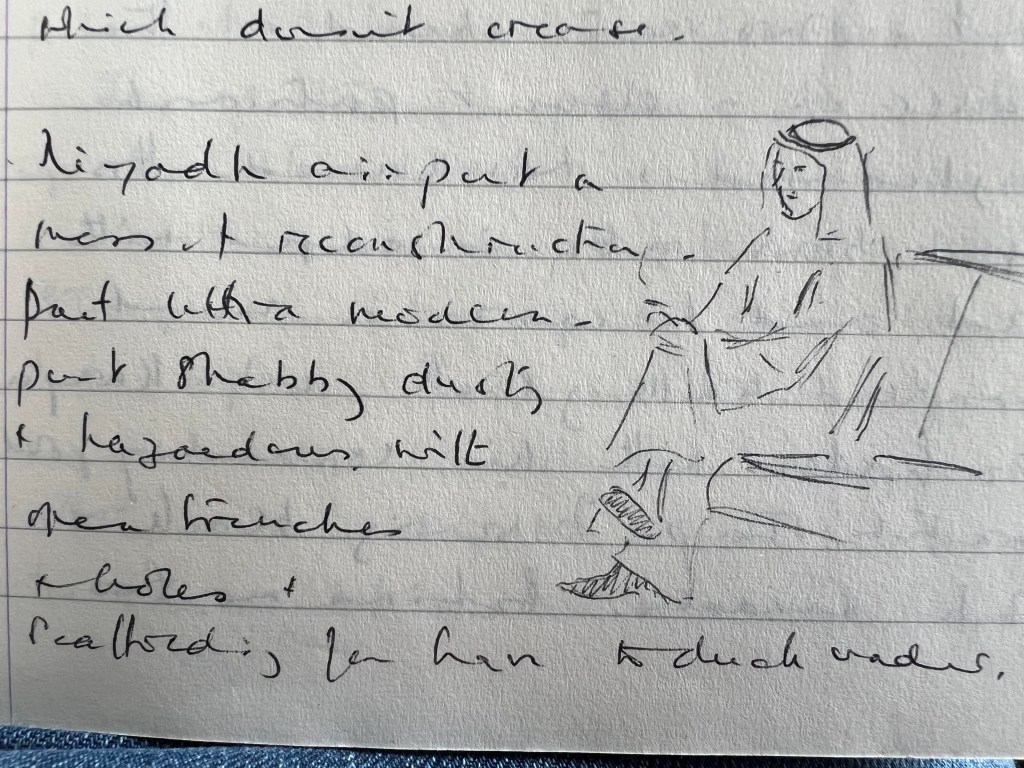
Dubai
Arriving in Dubai with no visa was a problem however – she had been told her UN laissez passer passport would suffice, but they had never seen one before and it didn’t. The British political agent had to be phoned, ‘most put out’, and she was allowed entry but they kept her passport which she would be allowed to pick up at the British Consulate.
She was hoping to meet her Zanzibar chest man, Mohammed Matar, but he appeared not to be there, although some sort of relative was found who took her to a hotel. Here again she had man trouble: the manager offered to show her around Dubai after supper, which she immediately regretted, ‘remembering the old adage, that no man, however unlikely, is quite disinterested. And so it proved…at last we got back and no hard feelings although I began to fear bit towards the end.’ Brave or foolhardy?
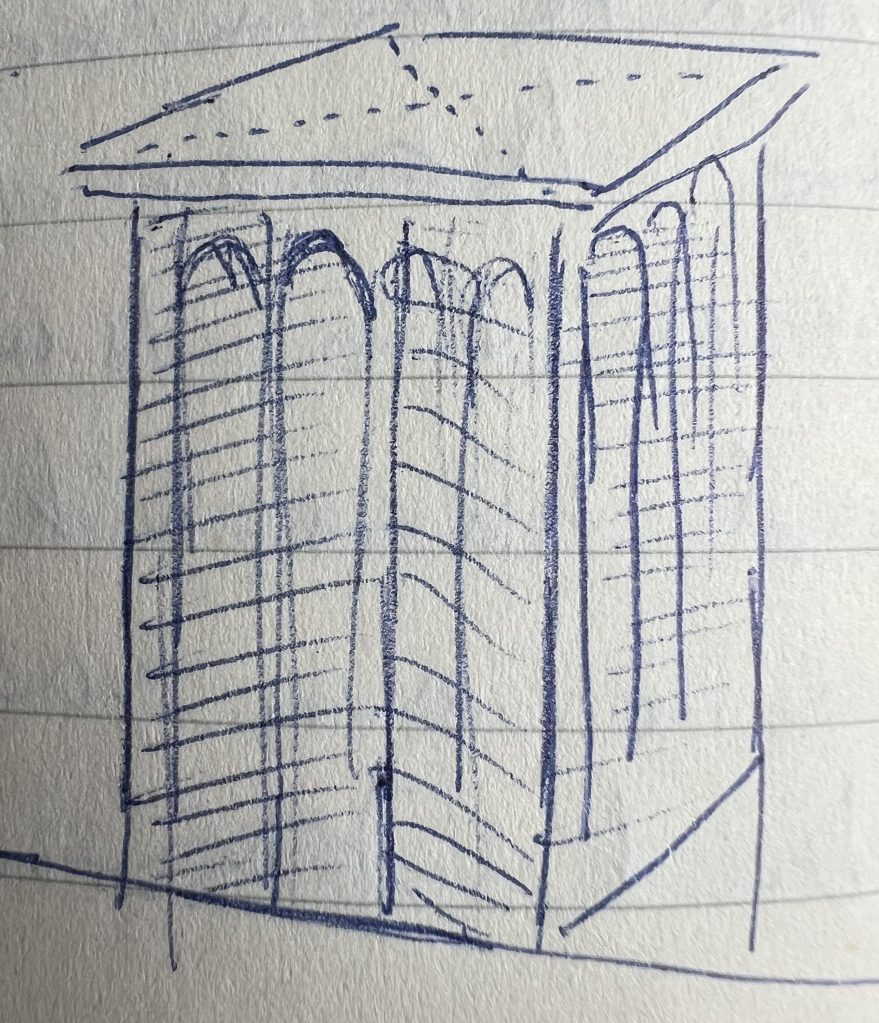
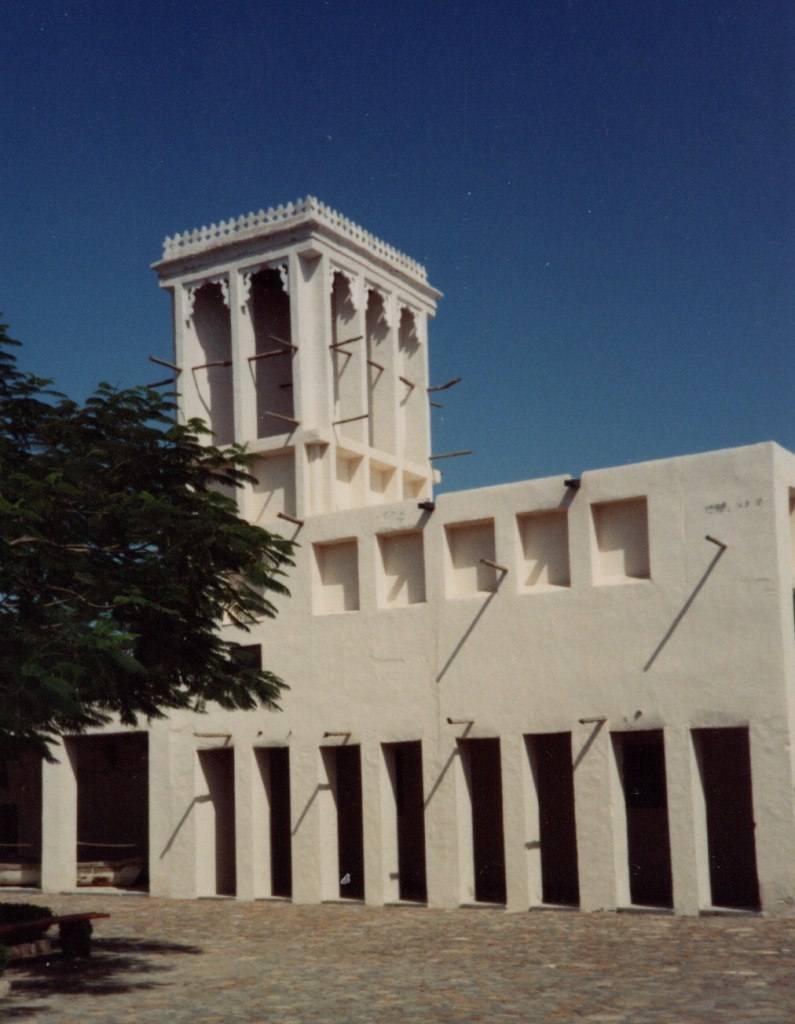
On her own, she walked all around Dubai, en route to pick up her passport, sad to witness the old buildings being destroyed to make way for new concrete ones, although here and there were a few remaining traditional wind towers, ‘built to catch the wind and to direct it into the house beneath’. At the port she met a nice Mauritian sailor who told her that Dubai was built on gold smuggling: it was perfectly legal to import bullion into Dubai from Switzerland, and then ship it out again to India and Pakistan – to be traded illegally on the high seas outside territorial waters. The Ruler ‘they say is popular and democratic and as we passed his palace we saw him sitting on the steps talking with his friends… and that he is behind all the smuggling, but indirectly’.’
Doggedly pursuing Matar, she managed to find a Zanzibari doctor who drove her to his house, ‘quite imposing now with an upper floor’. The door was opened by the servant girl, Latifa, who had fled Zanzibar with the family five years ago, closely followed by Matar’s wife, Bibi Khadija, the latest baby Shuaib in her arms. Sheila had brought khangas from Kenya with her and she was ‘overjoyed’. As per normal her letters had not arrived so she was unexpected. Not long after Mohamed himself arrived accompanied by the rest of his six children, ‘clucking vexatiously as he had not known I was here – ordering tea to be made for me and giving orders like the captain of a ship. I felt completely at home.’
The next day he took her to Sharjah where he had some business; he really wanted her to do some diamond smuggling to Beirut for him – ‘I don’t think I’d be a very good smuggler but must confess it all sounded so easy I was tempted.’
Shiraz – the gateway to Persia
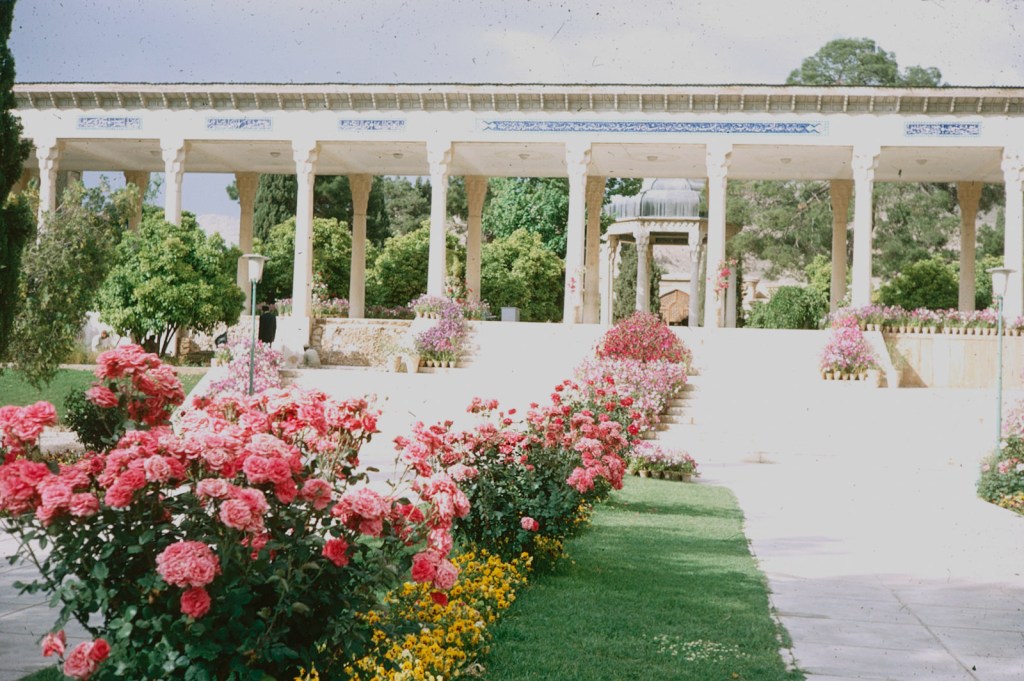
I looked in vain for signs of what I imagined the city would be like but there were no domes or minarets visible. the dual carriageway with modern lighting bending over the roads with their tidy gardens could’ve been anywhere, but out of the dusk I began to see that on either side of me was bed upon bed of the most prolific and luxurious rose bushes I had ever seen. They were all in the fullest of flower, not just lightly budded but with voluptuous wide open blooms in every colour you could imagine – all of uniform height, save for the climbers which were striving to reach the top of every pillar or street lamp…and then there were other flowers too – snapdragons and petunias I could distinguish in the deepening gloom. I began to feel very content and happy that I had at last reached Shiraz, when the taxi driver, who had remained silent to my exclamations about the roses, said proudly, “This is Shiraz”. We had arrived.
I was taken to the Tourist Hotel…two women, both in local dress, came to inspect me and smiled at me encouragingly; no one spoke any English but they all longed to help. “Manager coming soon” was all they could muster. When he arrived, all smiles, a huge man rather like Oliver Hardy wearing a grey trilby hat, the crown pinched to a peak at the front, which never left his head. “How are you?” He kept repeating every time he saw me. But he was very friendly… Everything, everyone was laughter. They were so naturally kind and friendly that I didn’t feel at all, as I had in Dubai, that there was an underlying motive – they all just wanted to please and be pleasant. I went to bed in great content but still with a bad cold, the box of Kleenex never leaving my side and several tots of whisky to help drive it away.
The next day was a bit tricky as the Shah was arriving.
There were tremendous banners across the main street and troops of school children waving flags march to take up their positions on the route. It was a great disadvantage for me in that some of the roads are closed. I can’t really see why I’m not allowed to cross the street where I’ve already crossed, but I can’t. I’m firmly and somewhat obviously lead back to the other side by smartly dressed policemen and told to stay today in the bazaar until all is over all. Shiraz is out to see the Shah and I excite a lot of discussion and interest amongst the people who have nothing better to do then to hazard who and what I am.
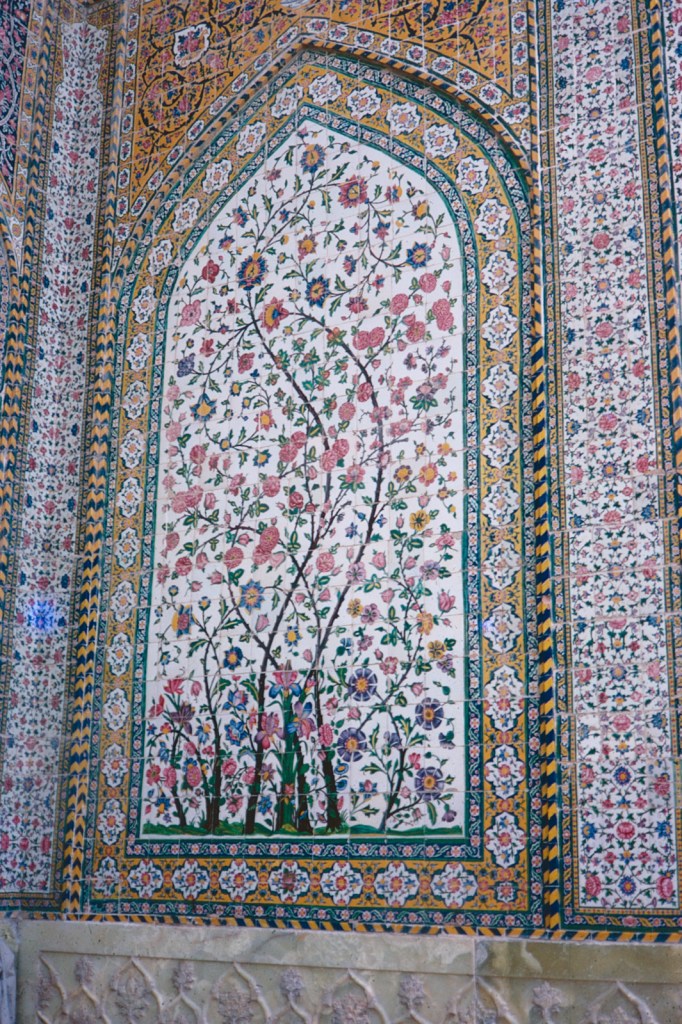
Nevertheless she managed to visit the Vakil mosque ‘with some beautiful tile work’, the Friday Mosque and the Shah Cherag shrine, where she was forced to buy a black cloth to cover her face.
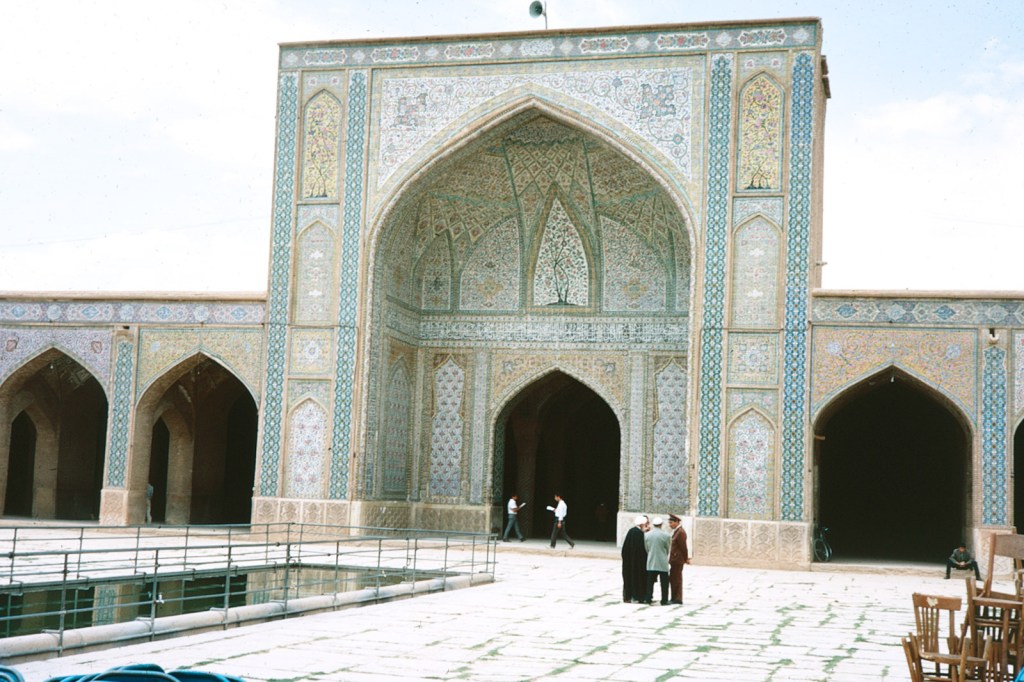
From there she went to the bazaar
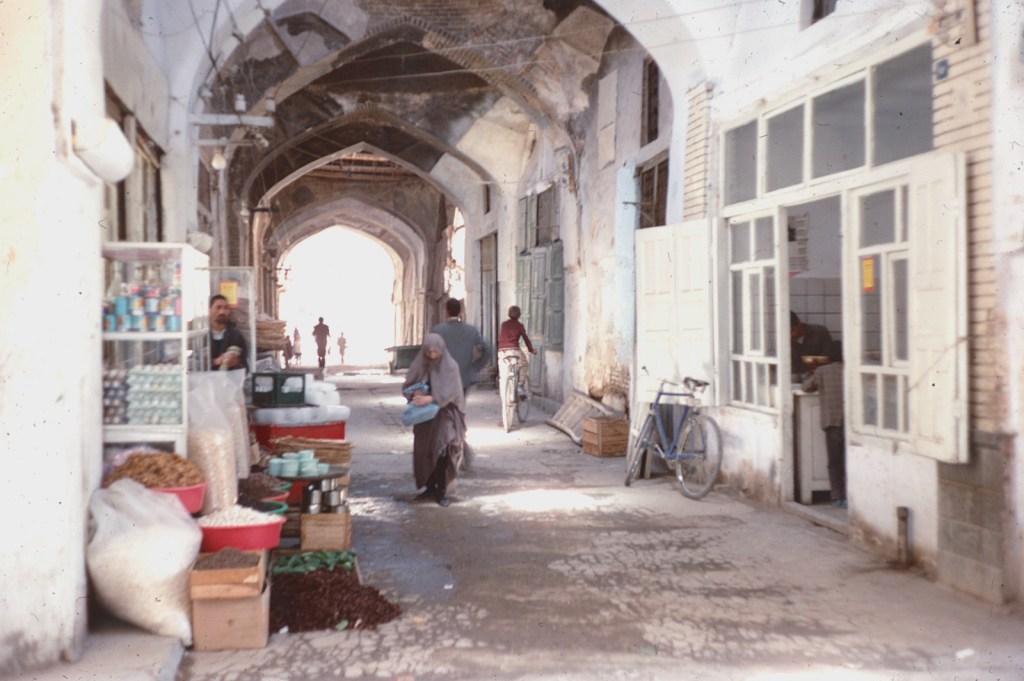
where there were coppersmiths beating sheets of metal into pots and trays of all shapes and sizes. There were leathersmiths busy at shoes and sandals, sizzling and grilling smells advertising food sellers, huge trays and bags and bowls held spices, tea, there were phallic cones of glistening white sugar, tailors’ machines tinkering in the gloom, donkeys passing with panniers filled with cucumber and courgettes, dark holes in the wall where men were squeezing and straining fruit and filling the prepared juice in bottles complete with a cork. Small boys shouted at you, women even said hello when you had passed, and a young girl started up a conversation which ended, ‘I have no money. I’m hungry’ and quickly run away.
The main street has channels of fast flowing water down each side – I don’t know if these are natural or water diverted to use on the many flowerbeds and trees. After Arabia the greenery is very noticeable – plane and hornbeam trees line the streets and there are palms and firs as well. Every now and again a huge roundabout with beautiful roses and pansies, alyssum, antirrhinum and petunia. Kiosks selling postcards, pens, stamps as well as shoelaces and other small household goods are set up every few hundred yards. You can get your shoes shined, a cold drink or a meal of beans from a huge cup or bowl mounted on a trolley, and there is fruit for sale. Stalls for such things as seeds and nuts, pistachios, sunflower, melon seeds, groundnuts and trays of sticky fudge-like sweets and a huge cake which has a hive of small children around them. Beggars both men and women in dark corners, one hand held out hopefully though usually in vain.
However she found the children very trying as they followed her around, ‘ “hello hello” almost all the males from about five upwards cry, and many of the girls and young women, “how are you? What is your name? What are you” and so on. At first you’re quite polite and reply briefly but patience wears very thin when you find you have six or eight children between about six and 13 dangling after you. If you stop, they stop, if you look at your map their heads get in the way and if you remonstrate they imitate you back, and stick to you more closely than ever to see what fun they can get out of you.’ In the end she had to get a policeman to disperse ‘the horrid little band’ and he accompanied her back to the main street.
Persepolis
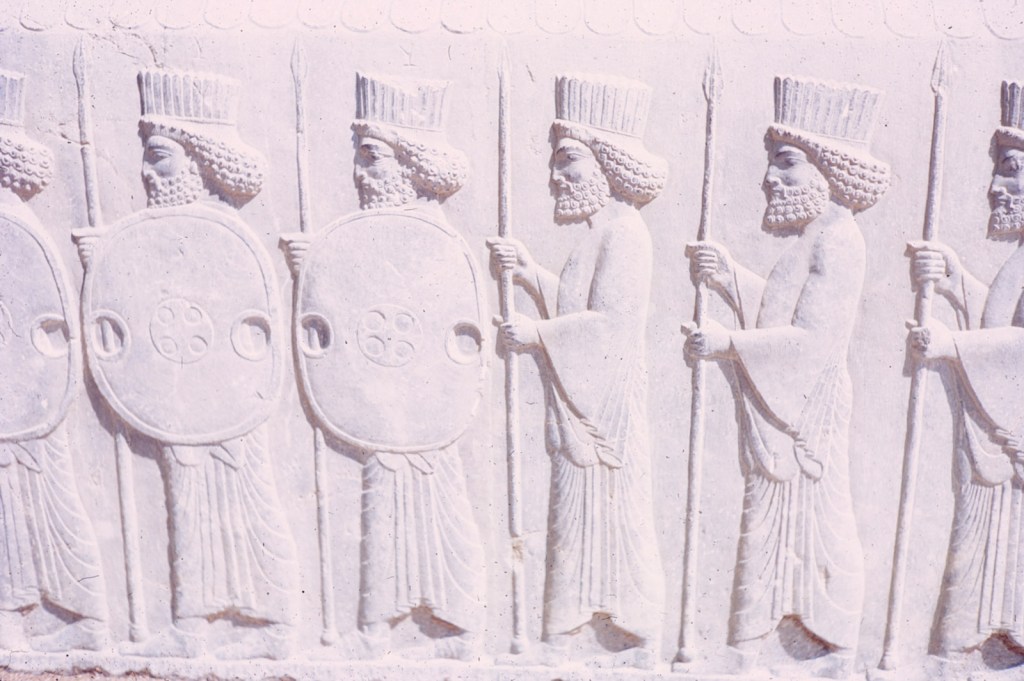
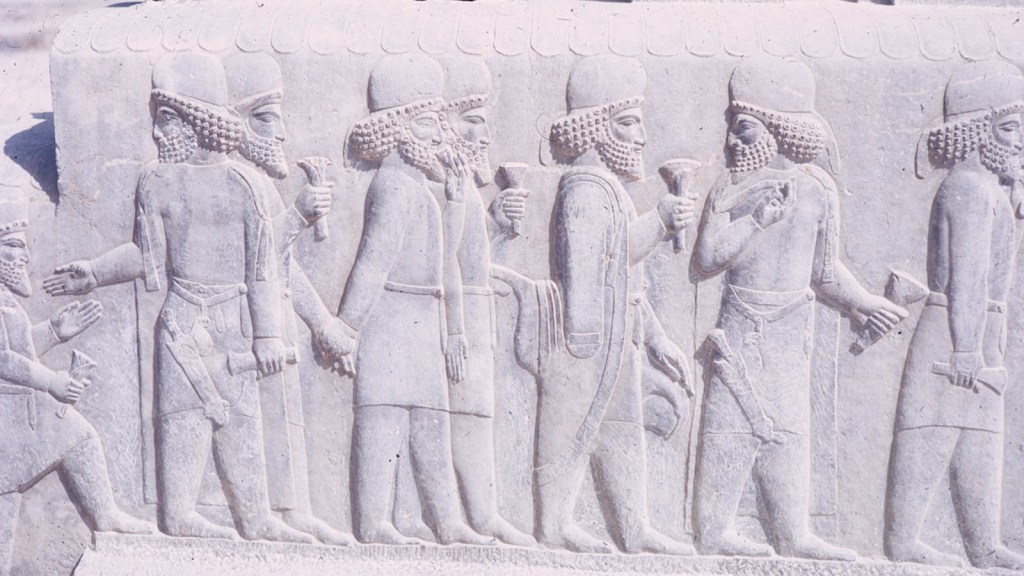
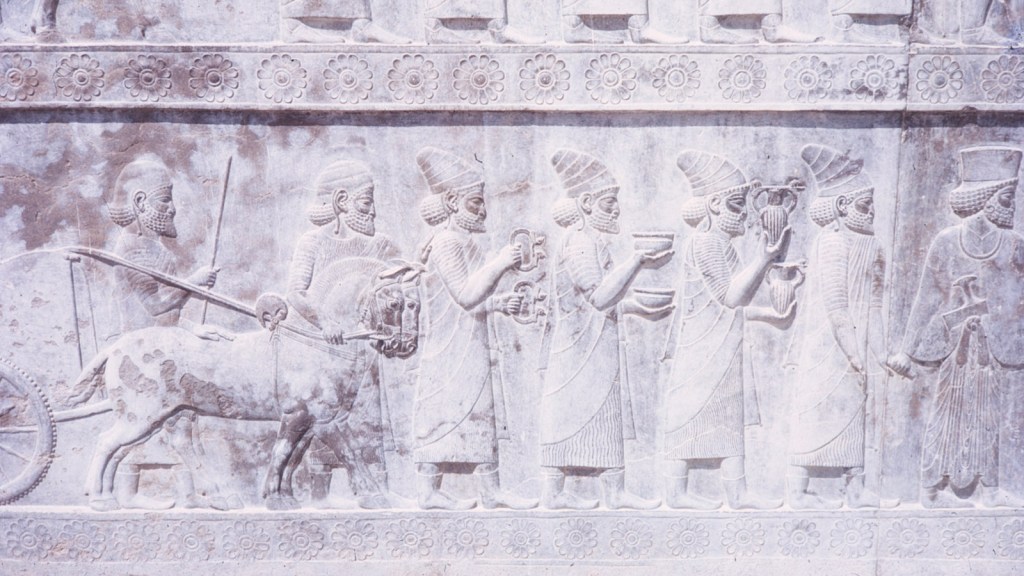
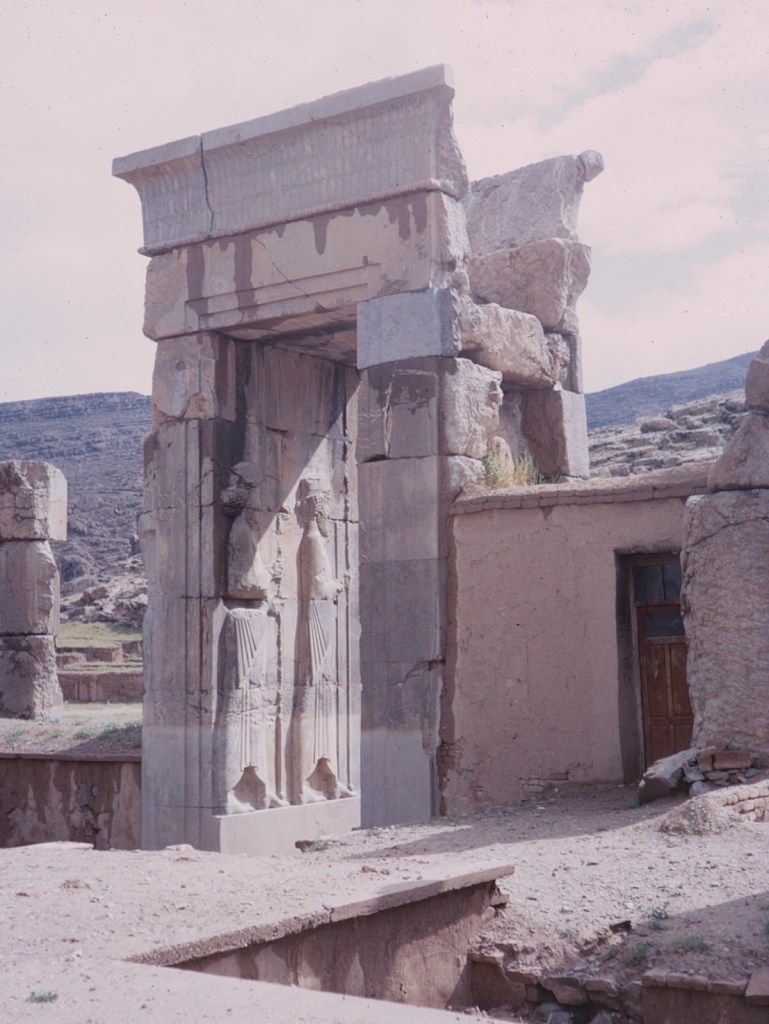
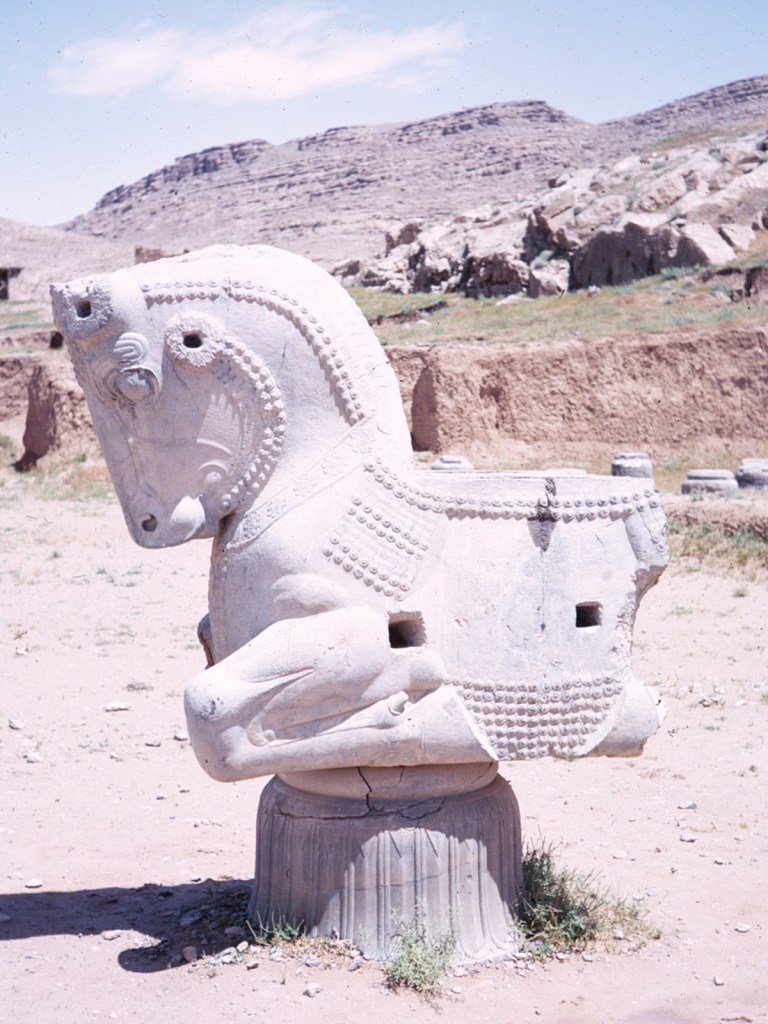
Persepolis is a must-see for any archaeologist like Mum. The earliest remains date back to 515 BC. The city housed a palace complex and citadel designed to serve as the focal point for governance and ceremonial activities of the Achaemenid Empire (530-330 BC – the emperors being Cyrus the Great, Darius the Great, Xerxes I, and various Artxerxes. There was a lot of regicide in those days!). The complex was conquered by the army of Alexander the Great in 330 BC, and soon after its wooden parts were completely destroyed by fire, probably deliberately. Nevertheless there remains a most spectacular site.
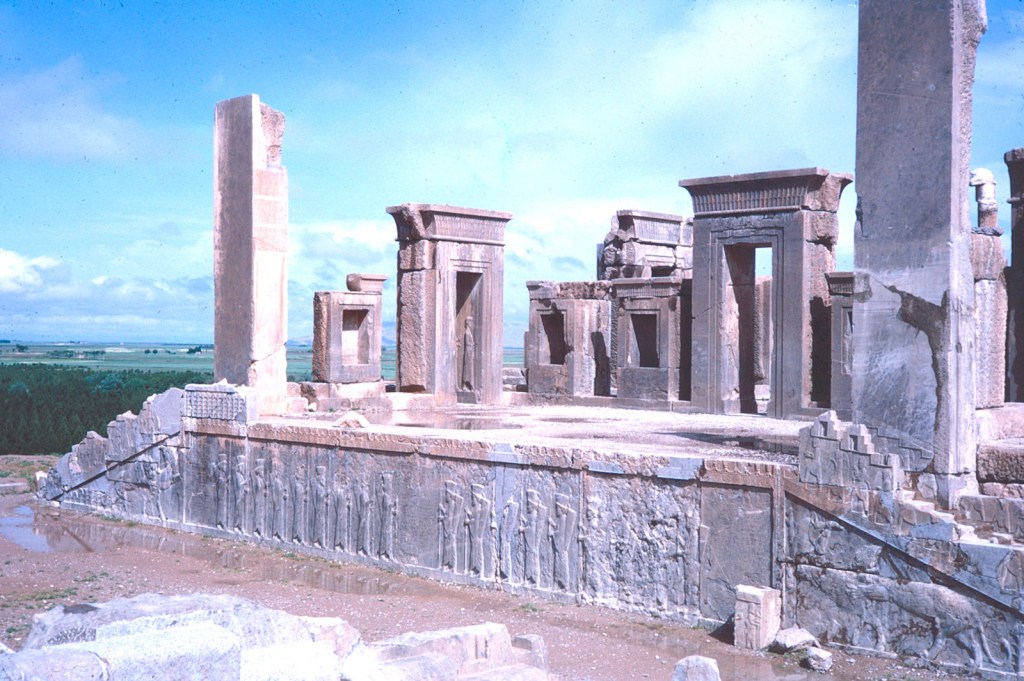
Sheila managed to get a local bus to Persepolis, which climbed up the mountains ringing Shiraz, then wound down to the plain which was dotted with flocks of shaggy sheep and long-haired goats; ‘by the side of the road the black square tents of the nomads, with colourful women and children in long dresses, gold ornaments on their heads and at the neck’.
It was still raining hard when the bus reached the tall columns on their high platform still standing proudly aloft after so many centuries: the temples are situated on the edge of the plain with rocky hills rising behind. There was no possibility of visiting them whilst it was so wet…
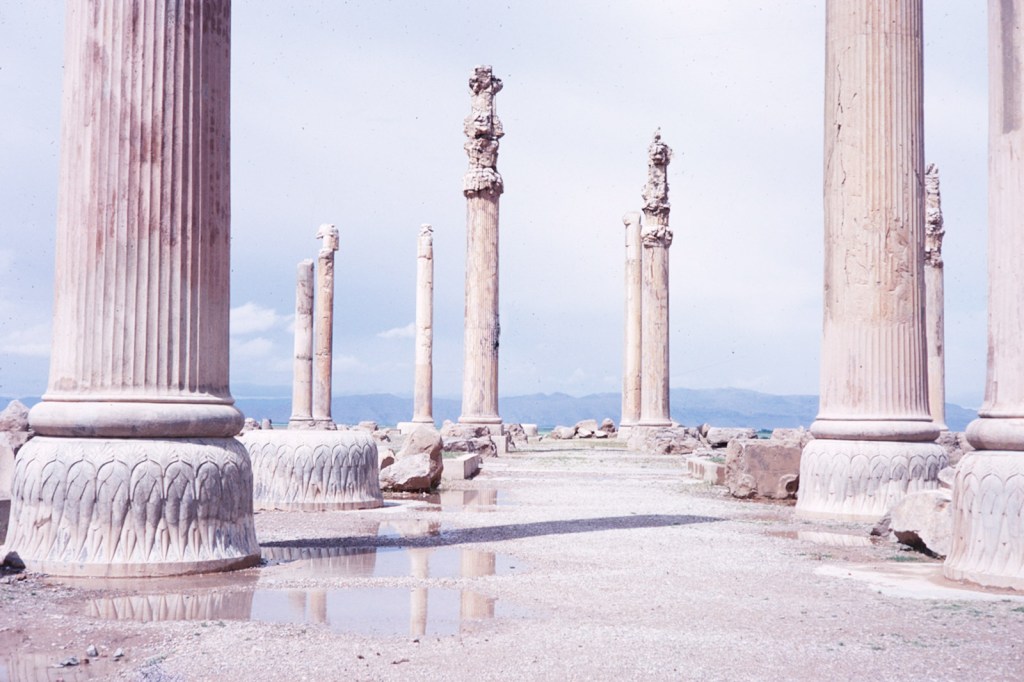
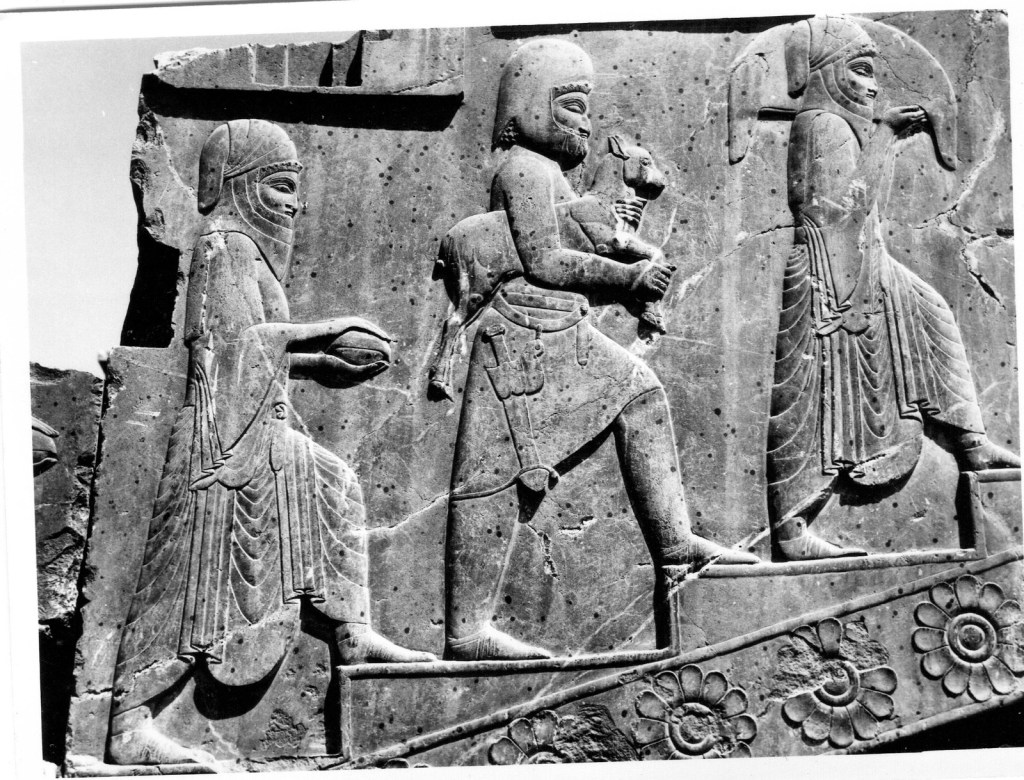
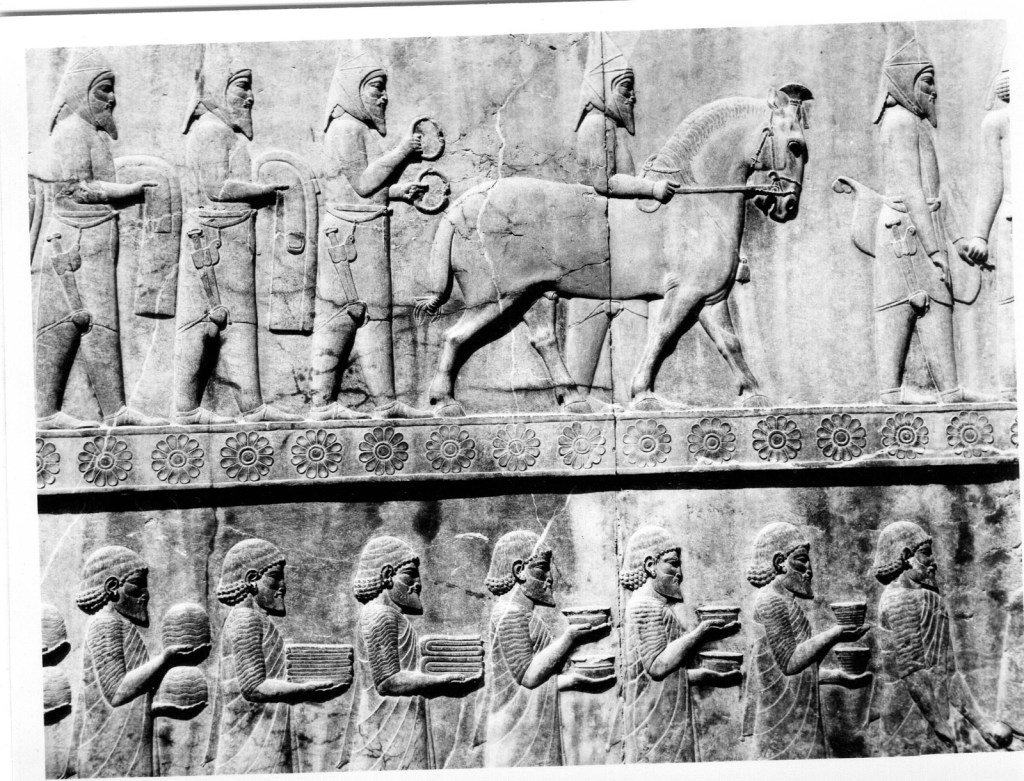
Eventually it stopped raining in the late afternoon and she ventured out. Her diaries contain long descriptions of the complex but I think really the pictures speak for themselves.
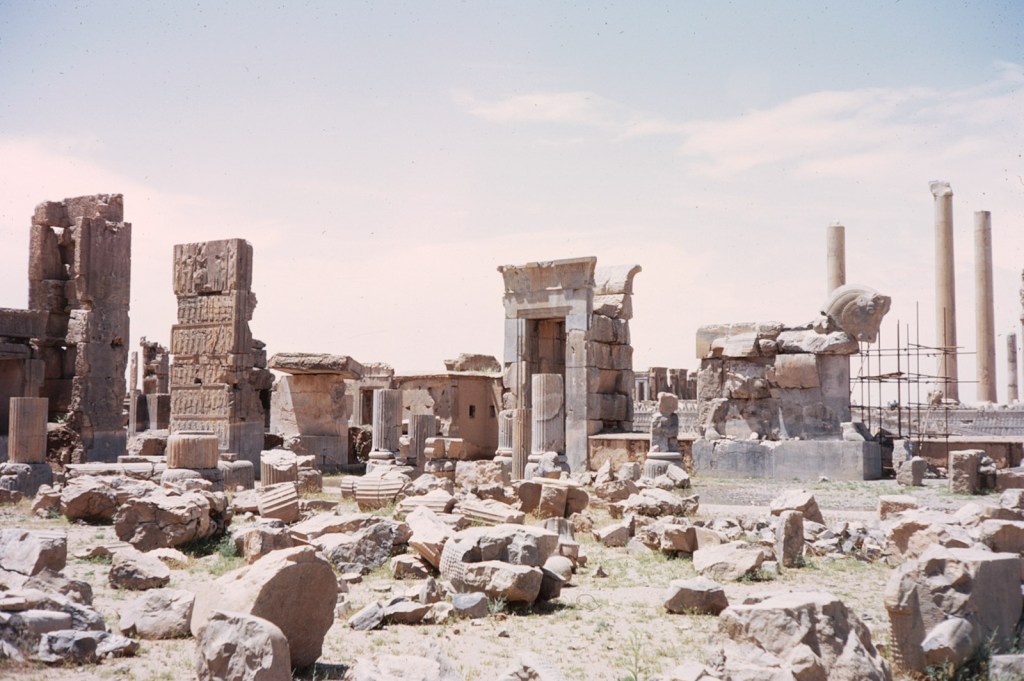
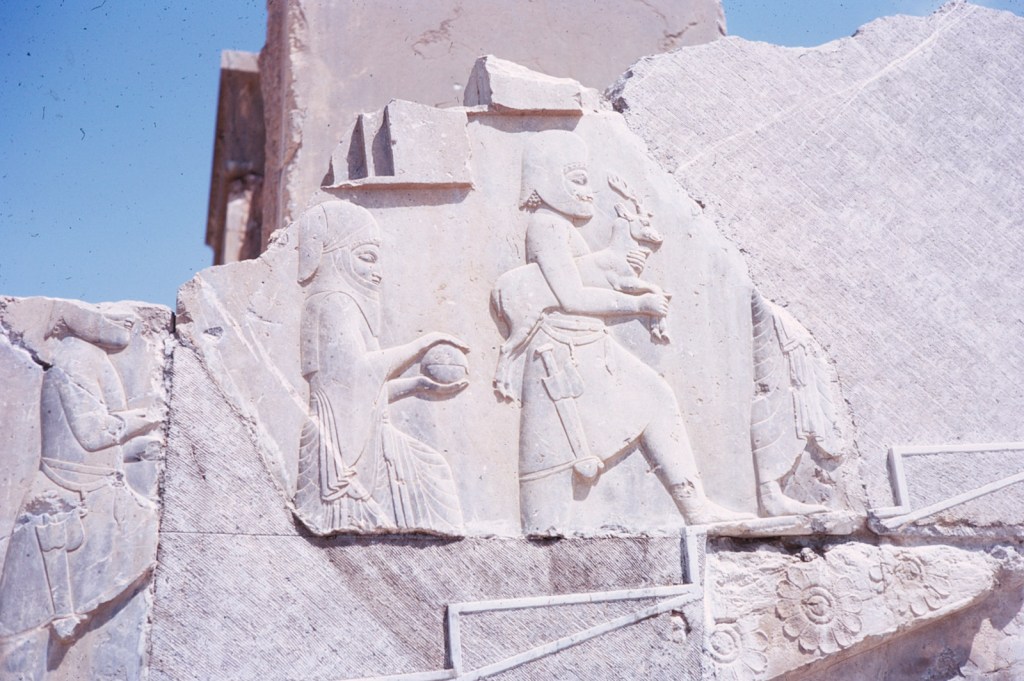
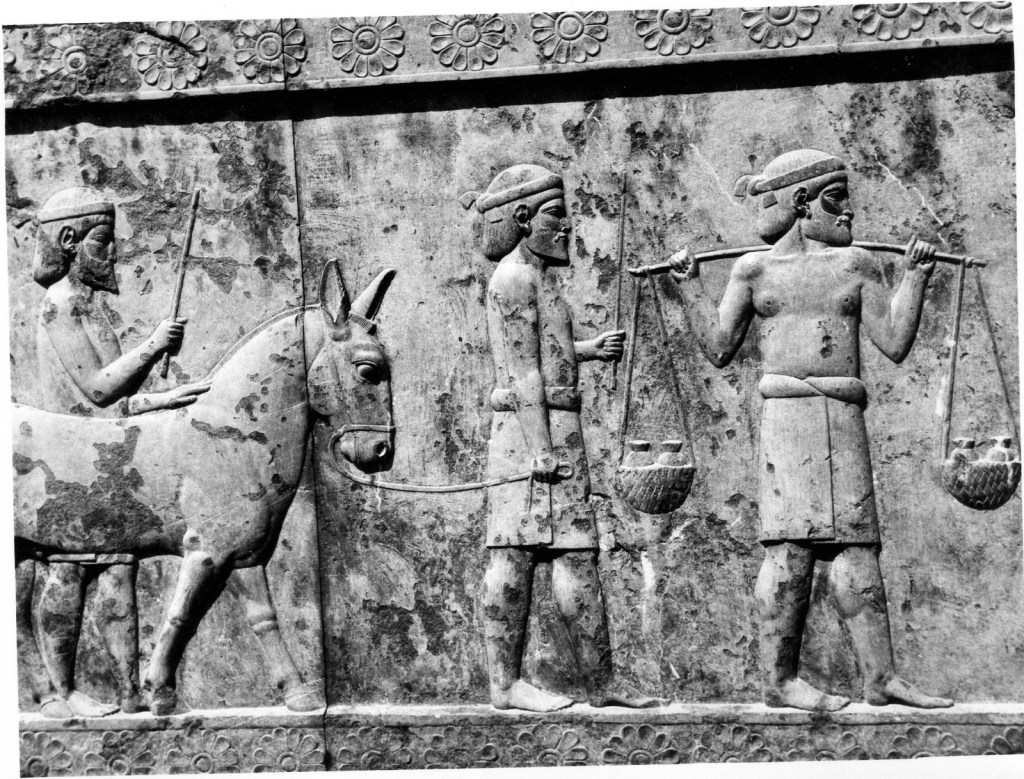
She was captivated by the reliefs of all the different peoples playing tribute: ‘camels, horses, sheep, vessels containing precious metals, clothing, arms and rolls of cloth. Someone brings a lioness with two cubs, another a chariot drawn by two horses, even people from Ethiopia bearing an elephant task and leading a giraffe.’
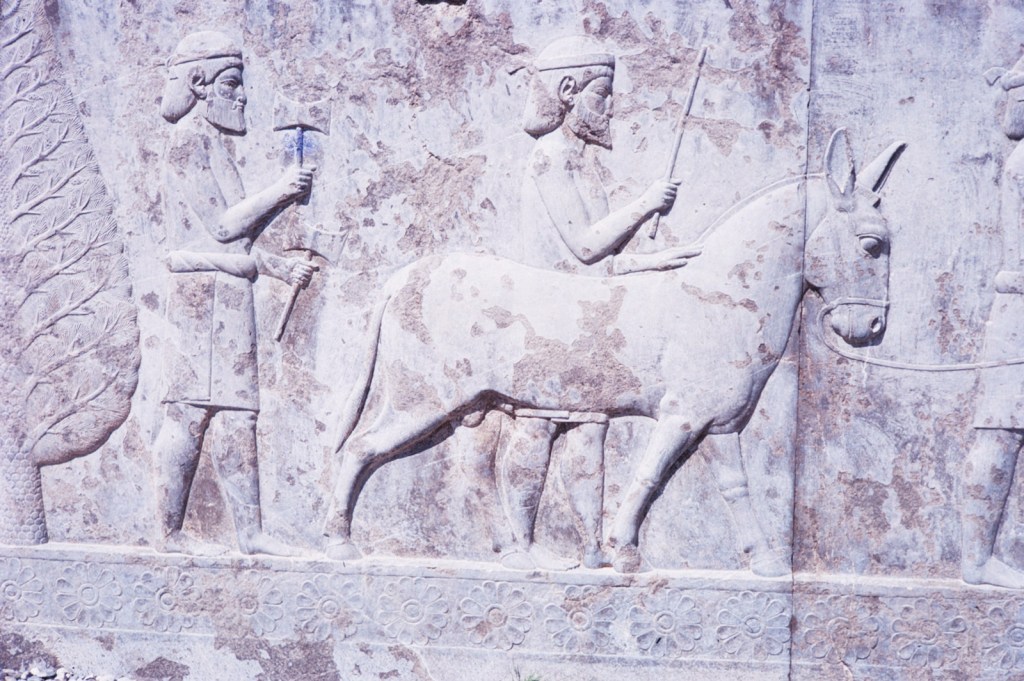
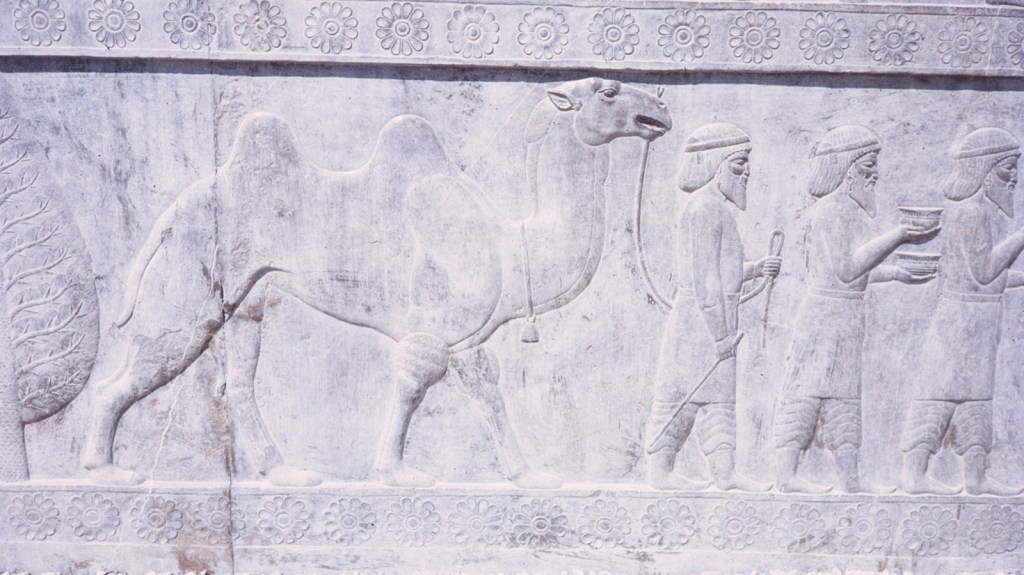
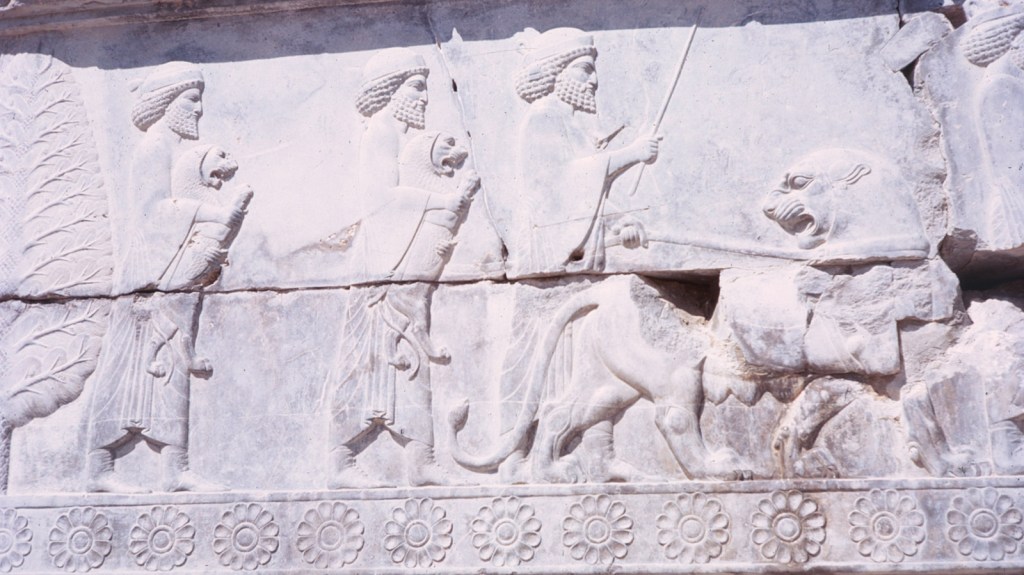
The fineness of the carving cannot be surpassed and by some trick of nature some of the work looks as if it was only just completed.
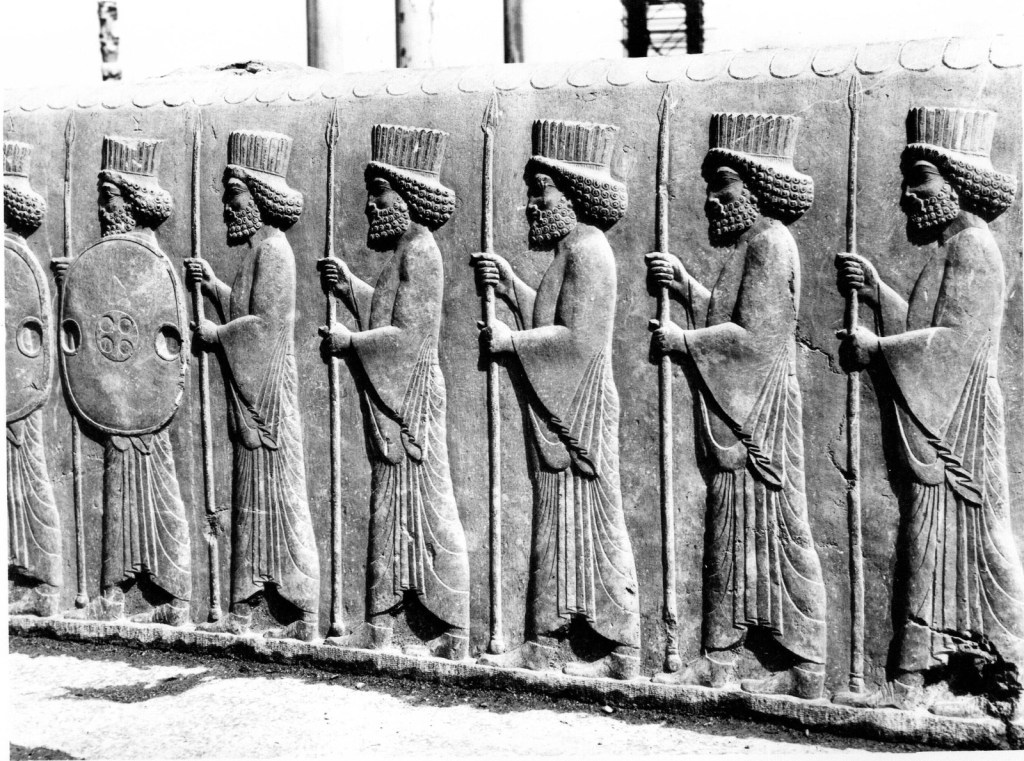
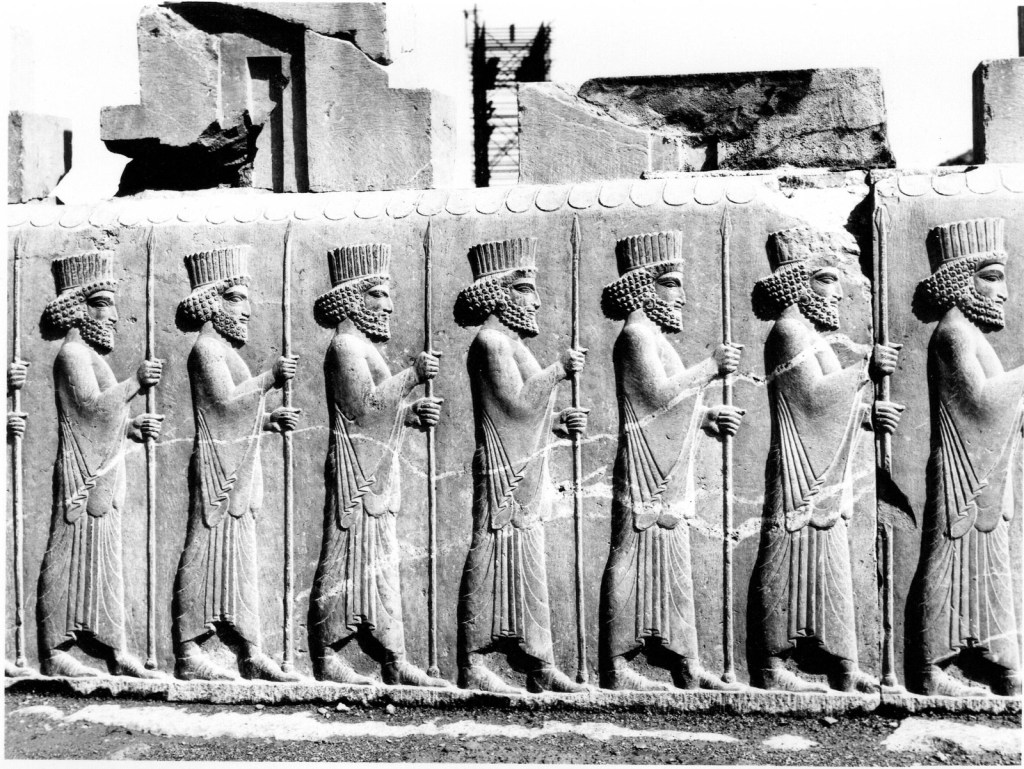
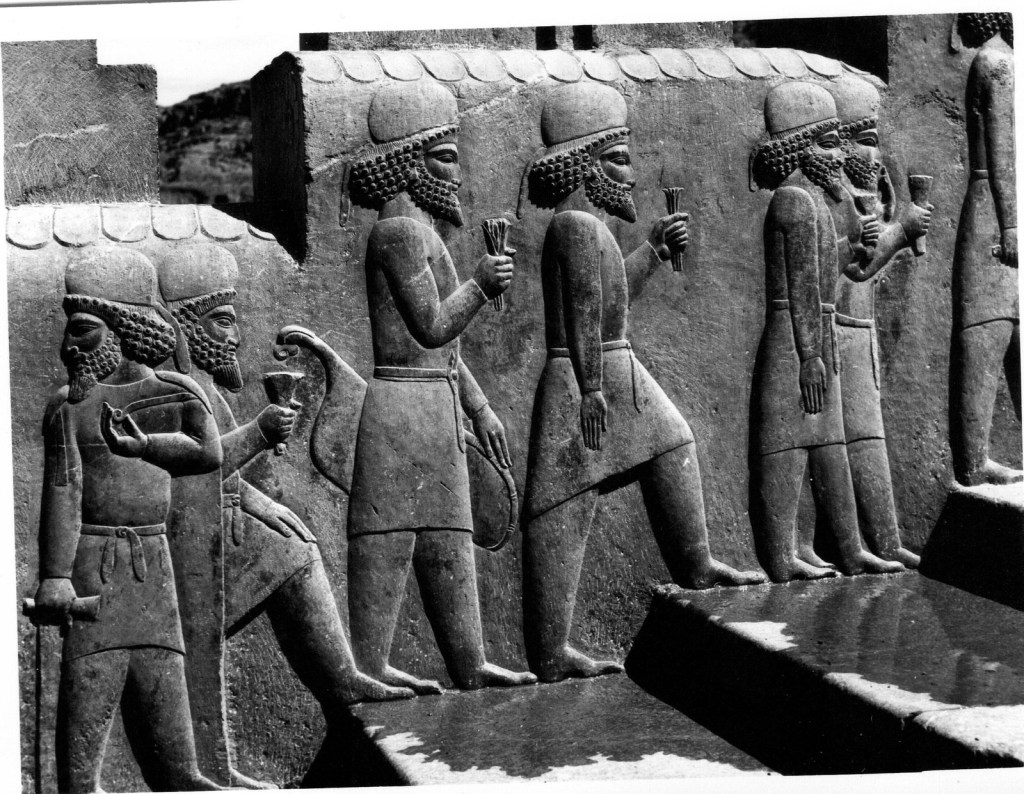
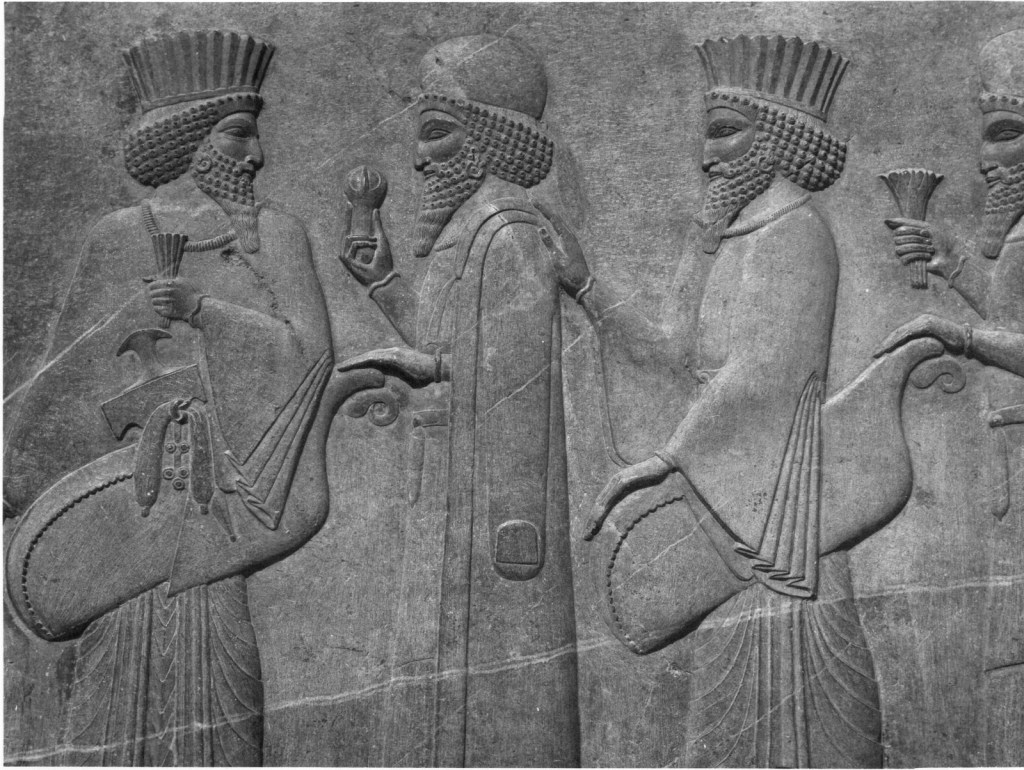
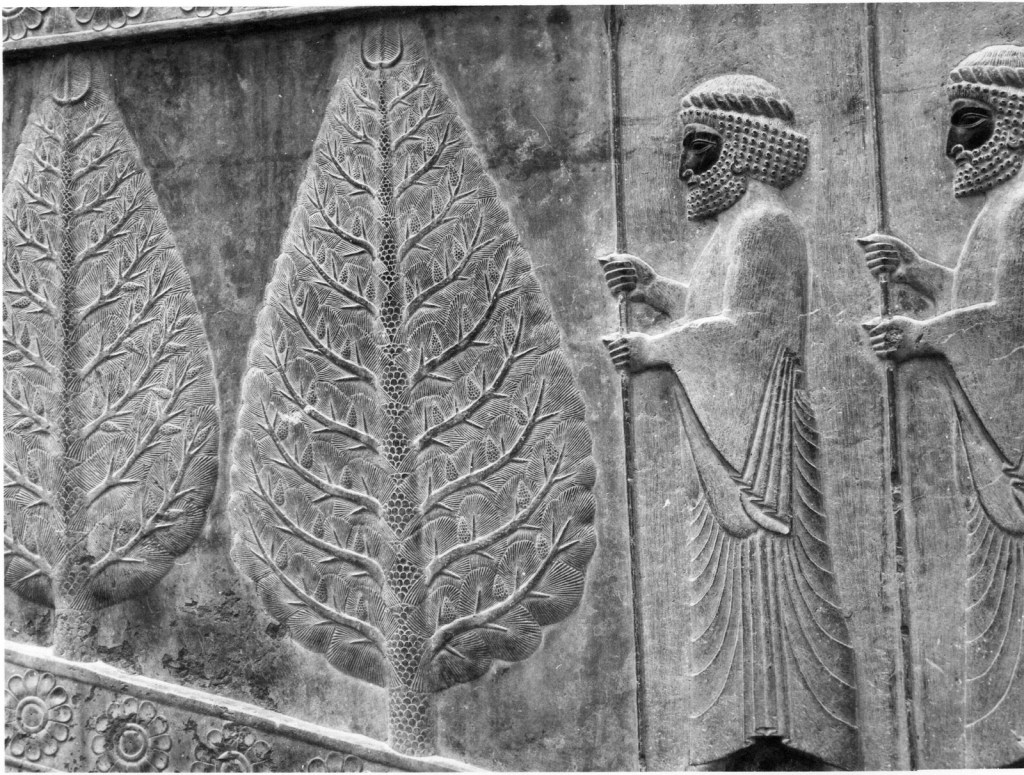
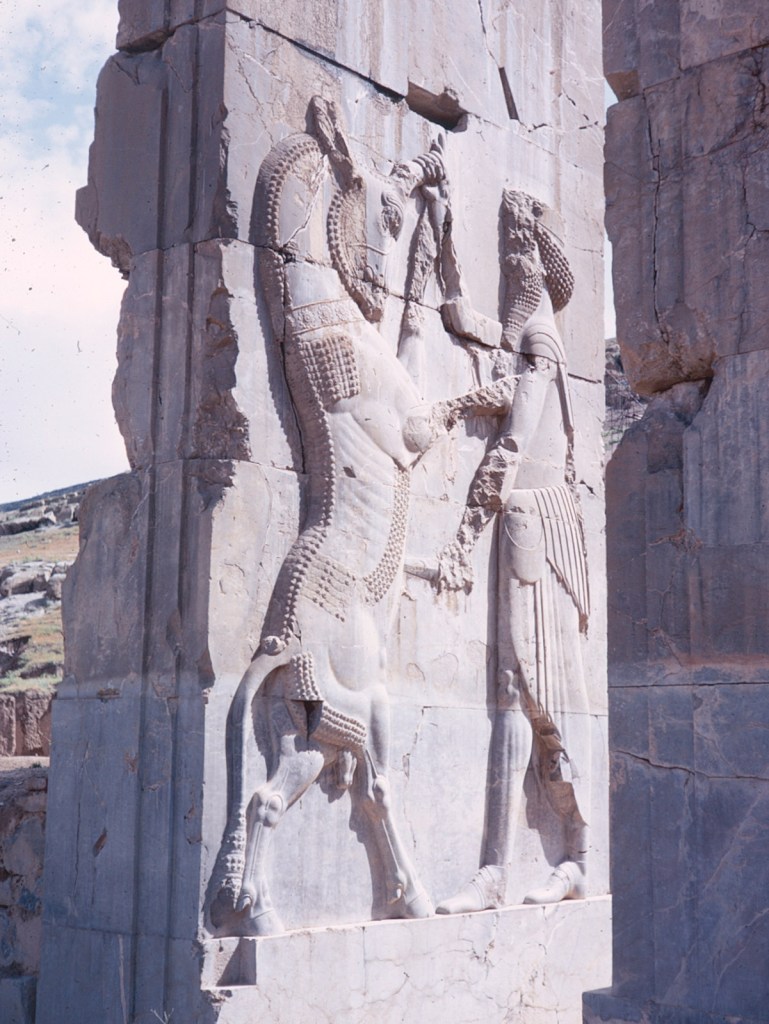
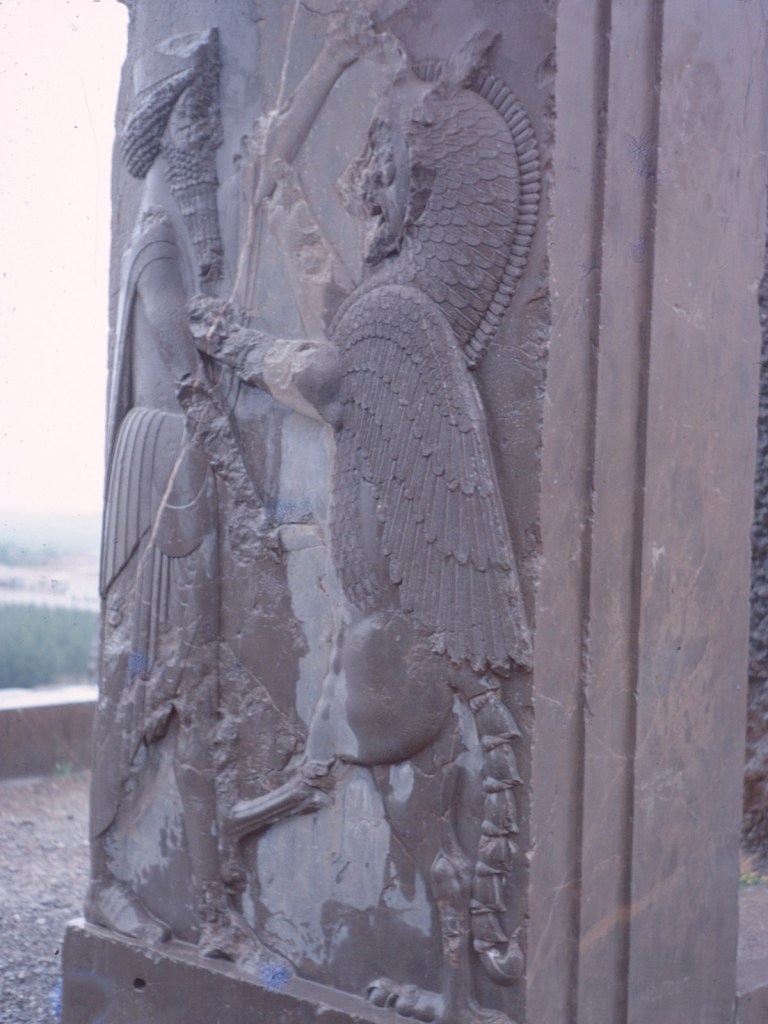
In other parts of the palace there are reliefs of the king grappling evil, represented as a different creature in each relief.
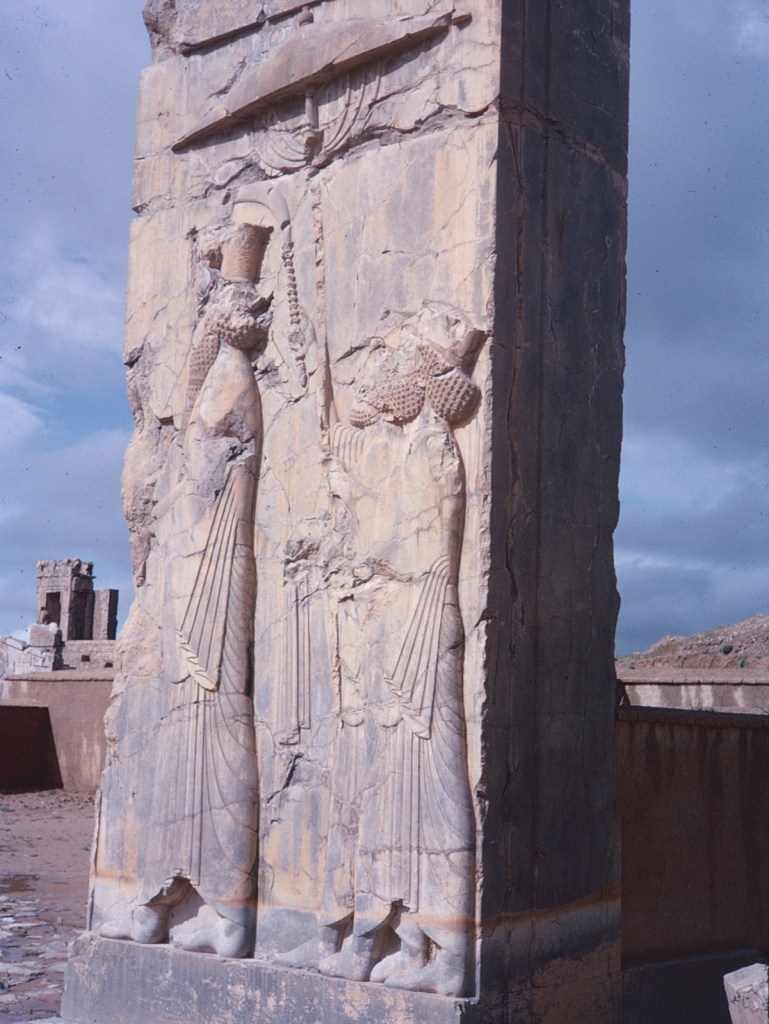
However, it became a quagmire of clay mud and I concluded it was fruitless to continue as I was by that time soaked through – my coat sodden and my feet swimming in my shoes.
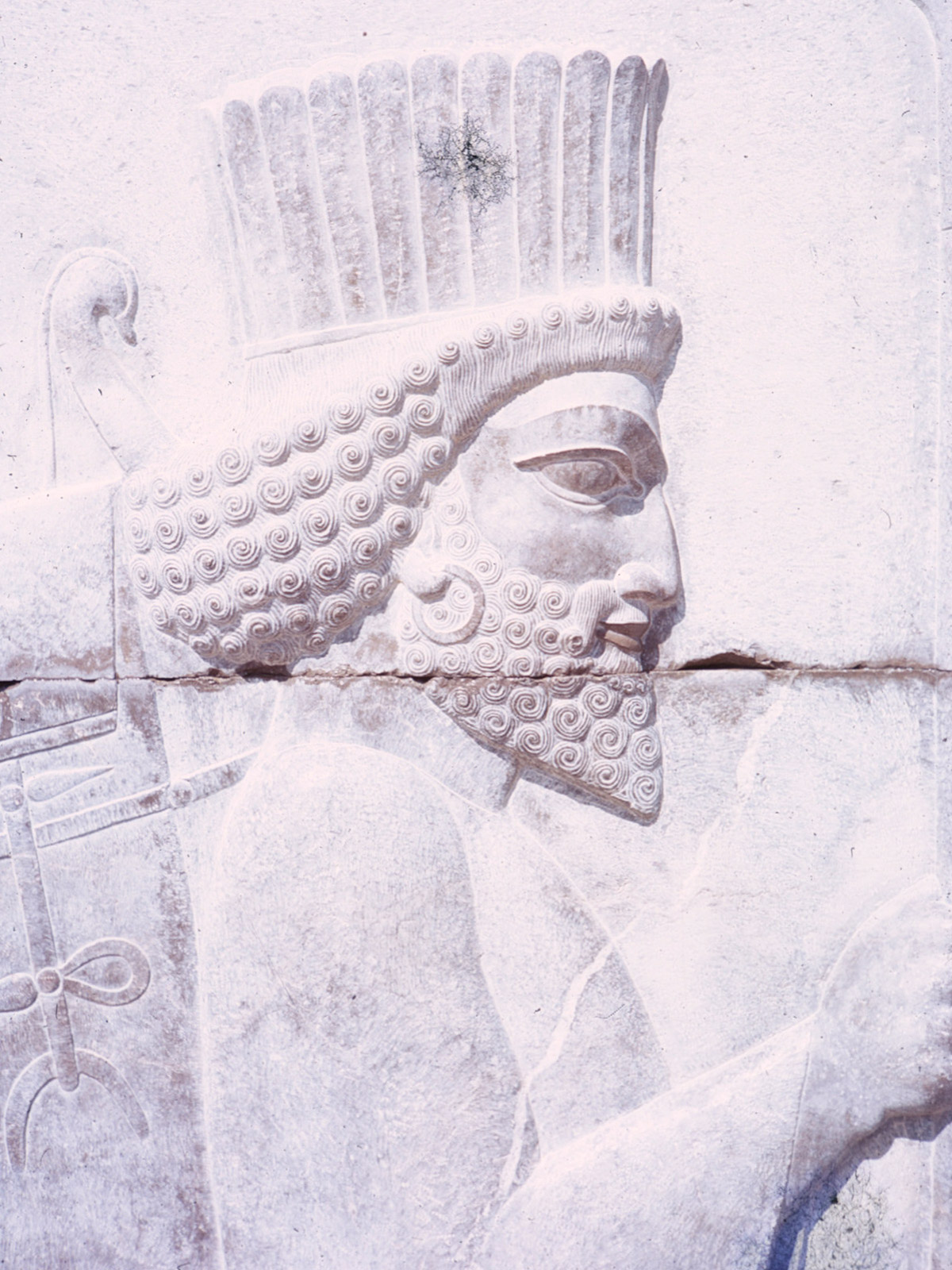
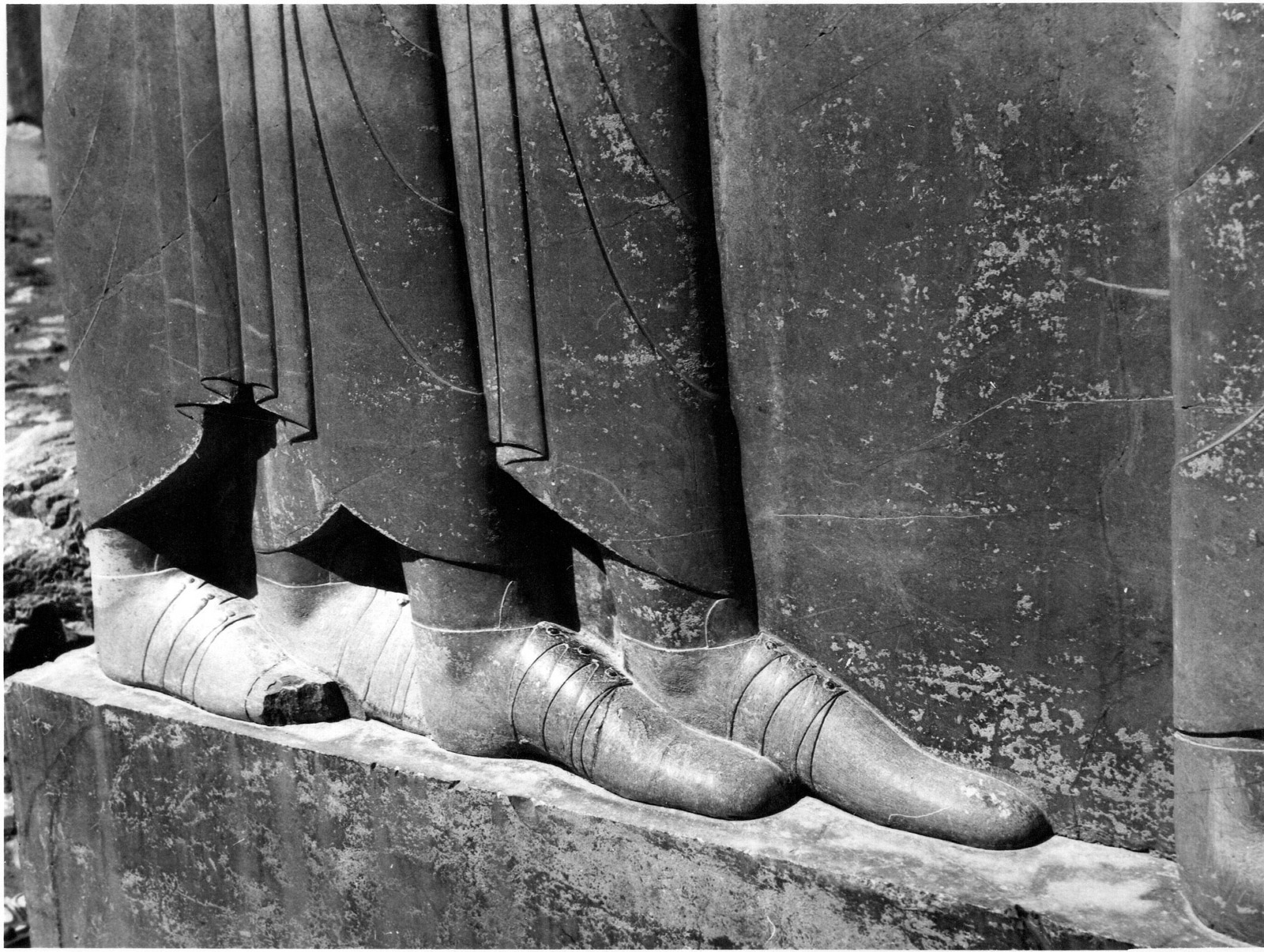
The only answer was to get a later bus to Isfahan the next day and try and come back in the morning. This she arranged with great difficulty and, indeed, the next day the weather had improved and she ventured forth again, this time making for the great rock-hewn tombs in the mountain behind, presumed to be the tombs of King Artaxerxes III (359/358–338 bc) and his queen.
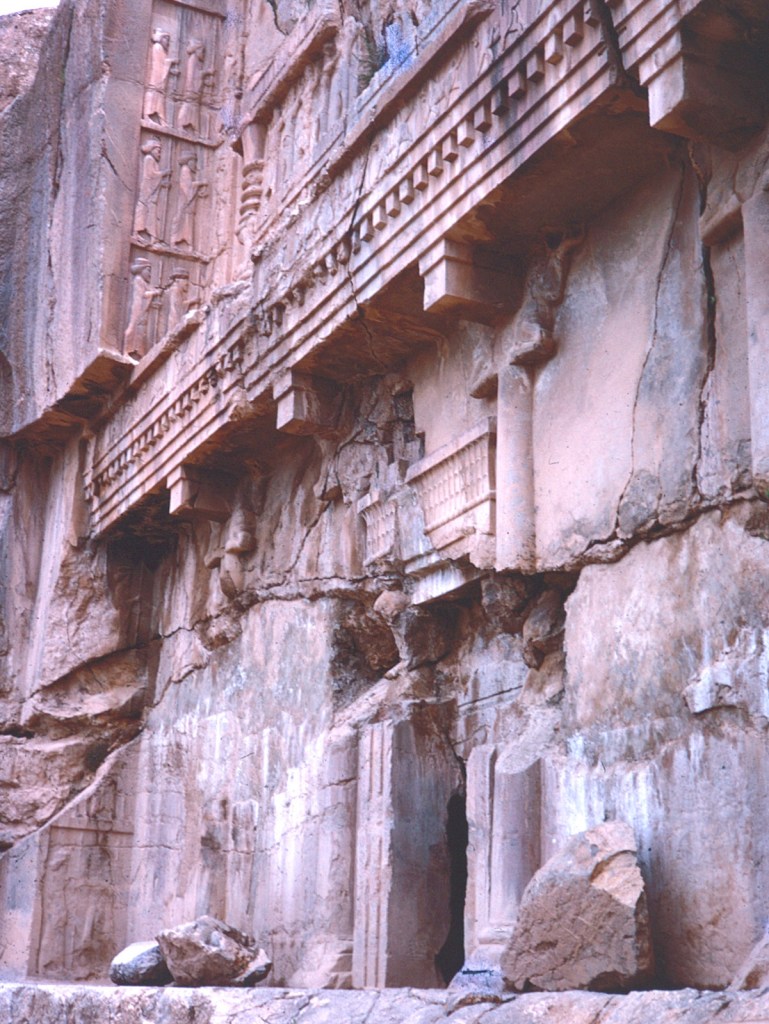
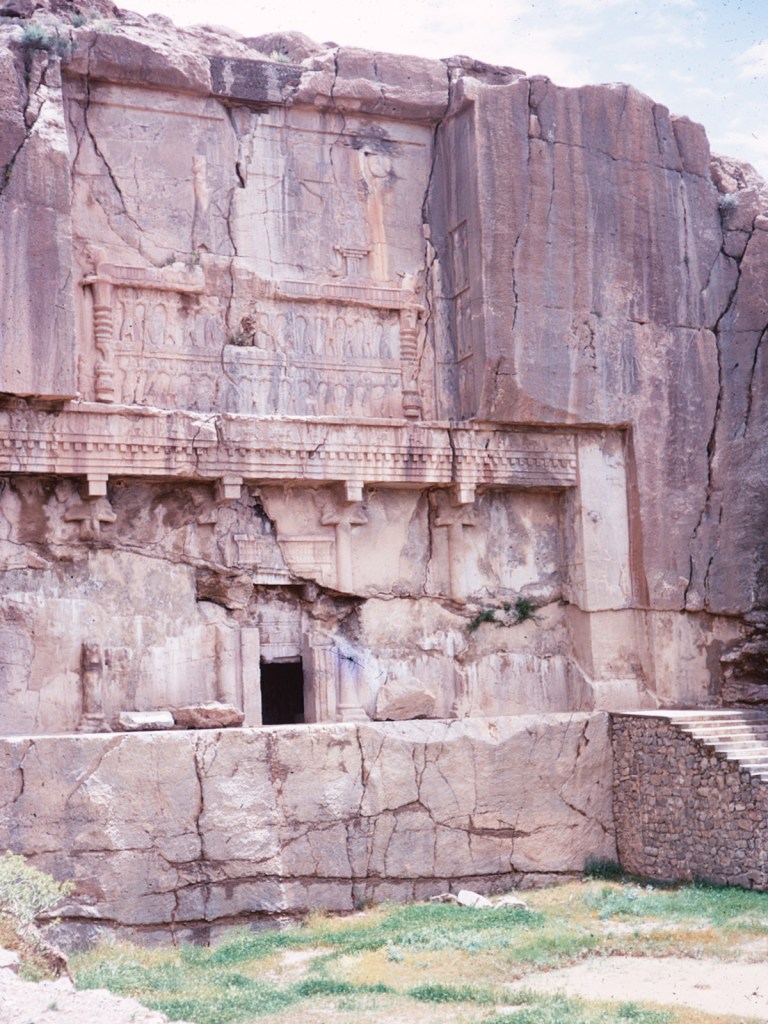
Despite being troubled by midges, she climbed down after admiring the ‘stupendous view I was getting of the palaces from above the green fields of the valley beyond and, in the far distance, mountains which edged the valley blue and pink and grey in the changing light which were the final backdrop of the scene.’
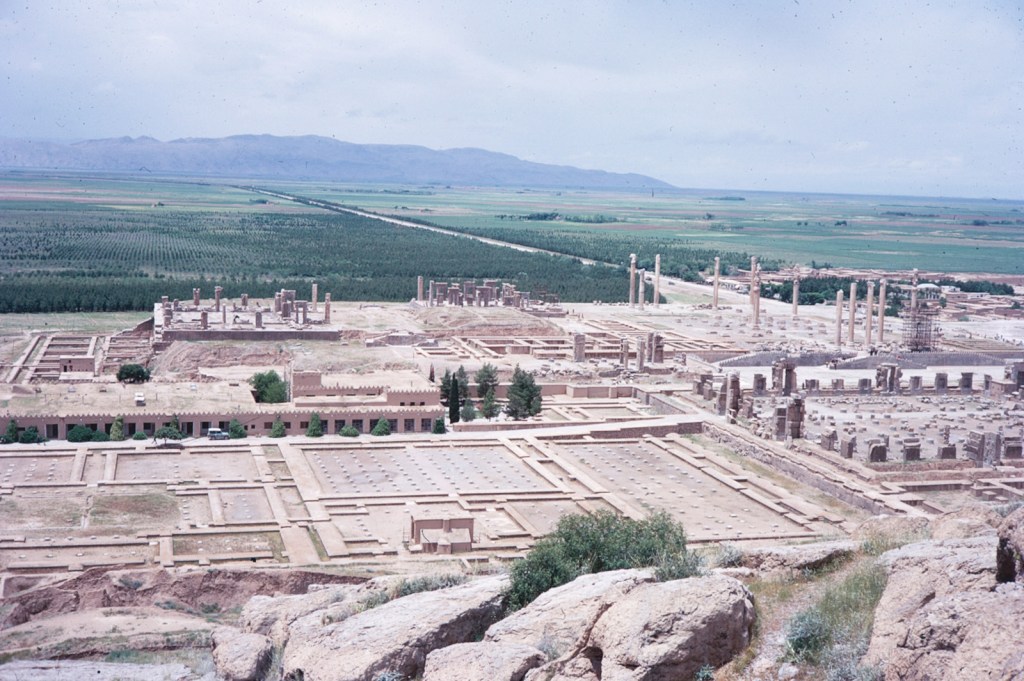
In 1976 I visited Persepolis on my way to India overland – and this is how I remember it. The Shah’s popularity was in sharp decline and it was edgy being a young female visitor, unmarried but accompanied by a man, with the rising power of the student vigilantes everywhere. Here are some memories from my diary:
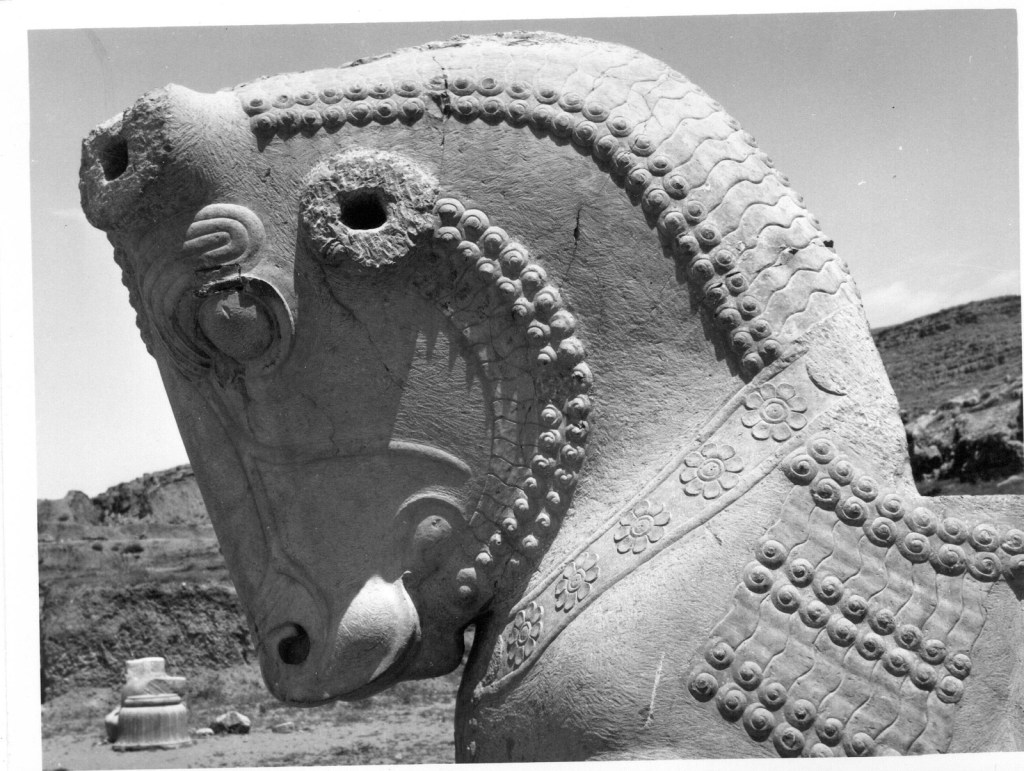
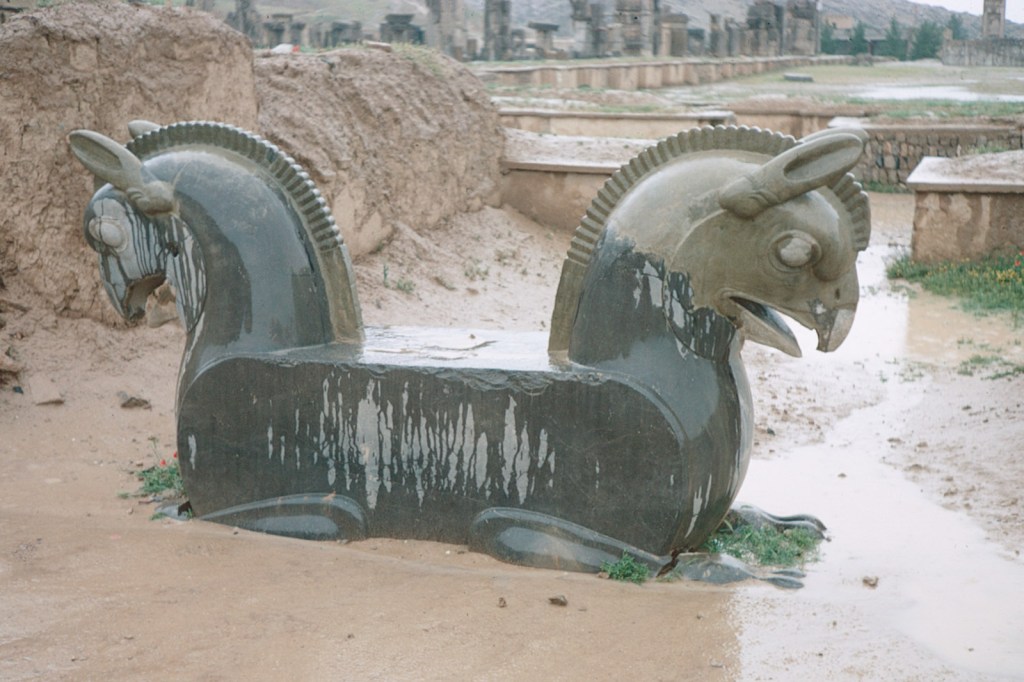
Saturday, the 24th of April 1976. Got up very early and went on a guided package tour of Persepolis – complete with red-plush-seated Mercedes bus and American tourists (very typical, doing the world). Our guide was rather aggressive towards some of them, his English odd but he was quite sweet and showed us around well. The friezes were even better than I’d expected, in perfect condition and the detail so wonderful, even touching, in places -double headed lions, eagles (homas) from the pillar heads were also in good condition. Amazing to think it’s so old.
Back in Shiraz we took our luggage the long way to the bus area and found a bus leaving for Tehran at 7 and dumped our baggage there before returning to the bazaar. I bought some lovely turquoise clay beads. We were totally exhausted and it was very hot so our energy ran out and we did nothing until the bus left. An amazing bus, the cheapest and inhabited by the poorest of the poor who said communal prayers at prayer time and took turns to sleep in the gangways. We had our blanket so felt all cosy in that.
Finding this diary has inspired me to do my own travel blog of my overland trip to India – watch this space!
Isfahan
By bus via Abadeh, where she looked for carpets and made a mad dash for the loo (she was luckier than us because on the above bus trip, direct to Tehran from Shiraz, I went 16 hours with crossed legs as the men all got there first and, as mum recounts, it was a ‘dark and primitive place’), and Shah Reza. Her neighbour gave her the window seat and offered her pistachios and raisins.
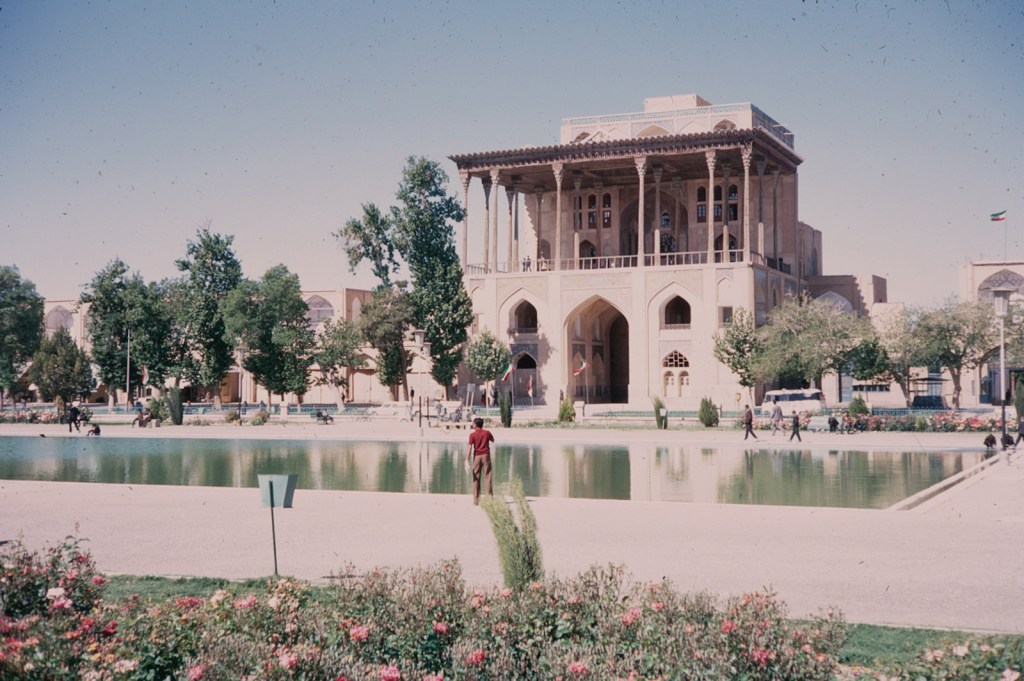
Arriving in Isfahan late at night, she ended up in the Cyrus Hotel, ‘a medley of bad taste – bad carpets, awful plastic and polythene-covered furniture’ where she was installed in an underground ‘dungeon’ with no window!
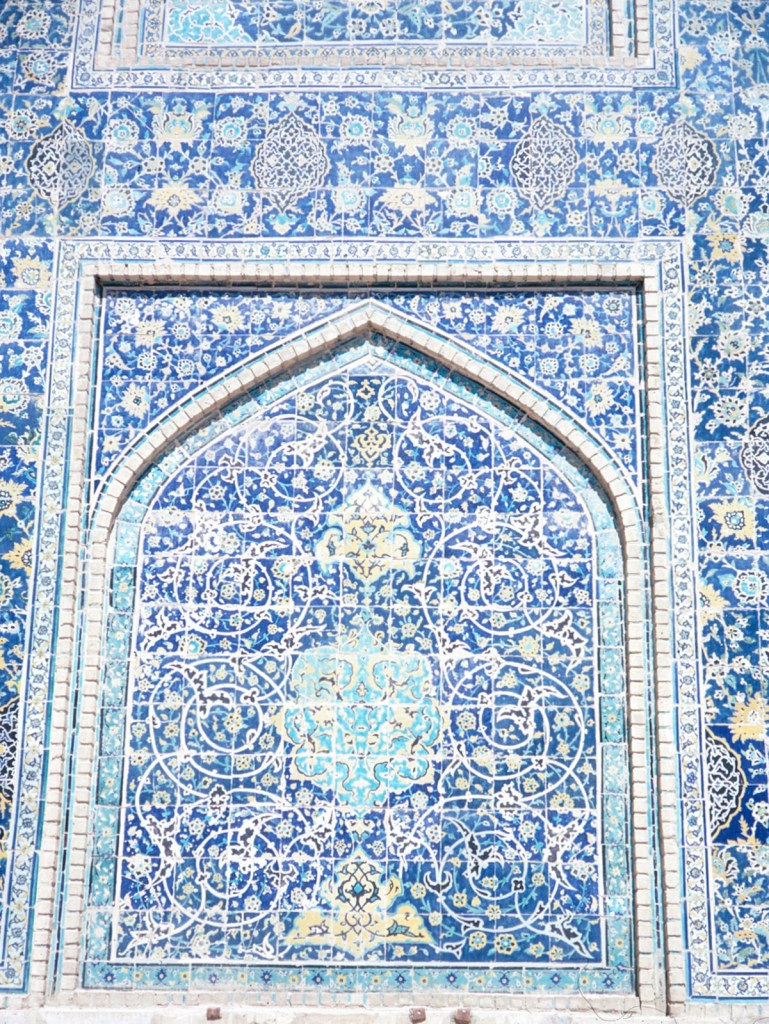
However, it was right in the centre of the city, close to the Madresseh Chana Bagh, with a stream running through it and roses in full bloom – ‘the whole impression was of quiet serenity’.
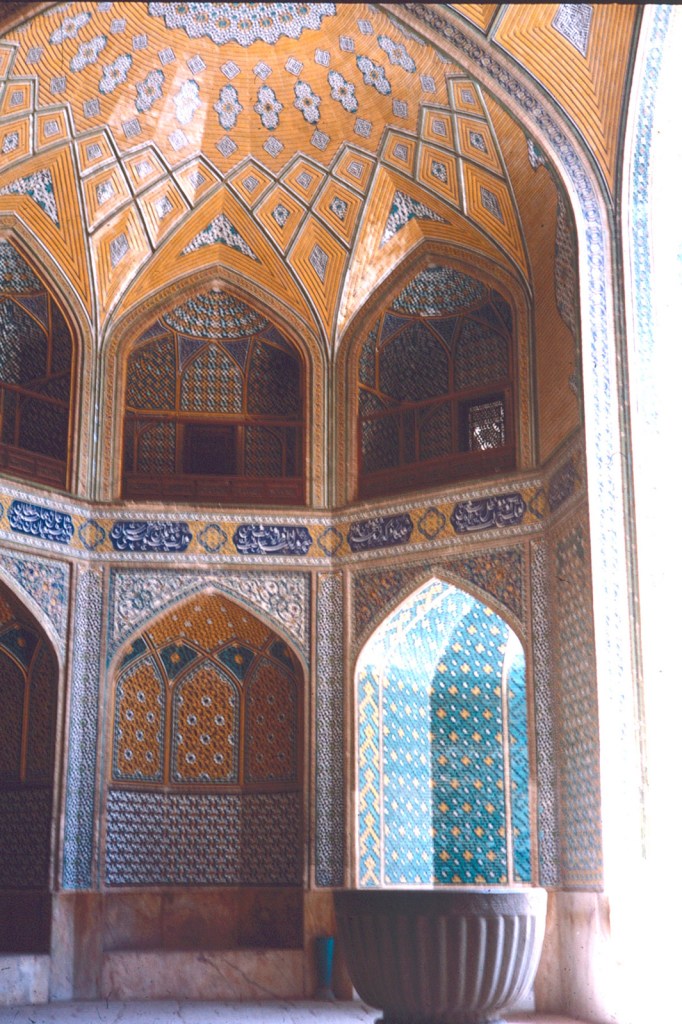
She arranged to go on a tour in order not to miss anything which ‘wasn’t altogether successful as the guide kept taking her to places ‘he thought I wanted to see’ i.e. retail opportunities with a commission for him!
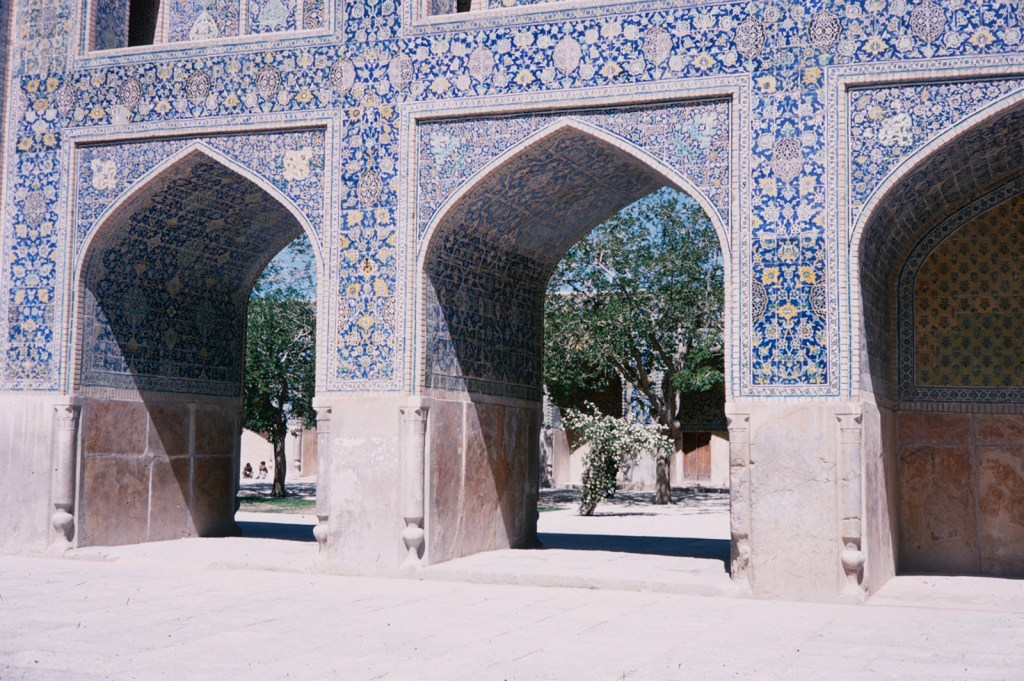
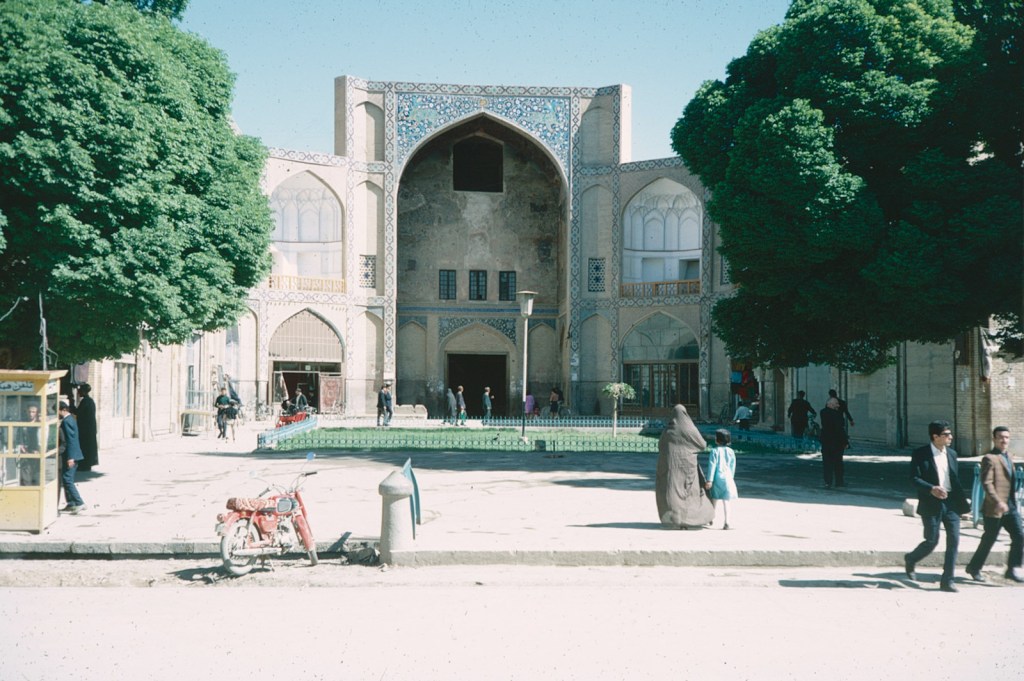
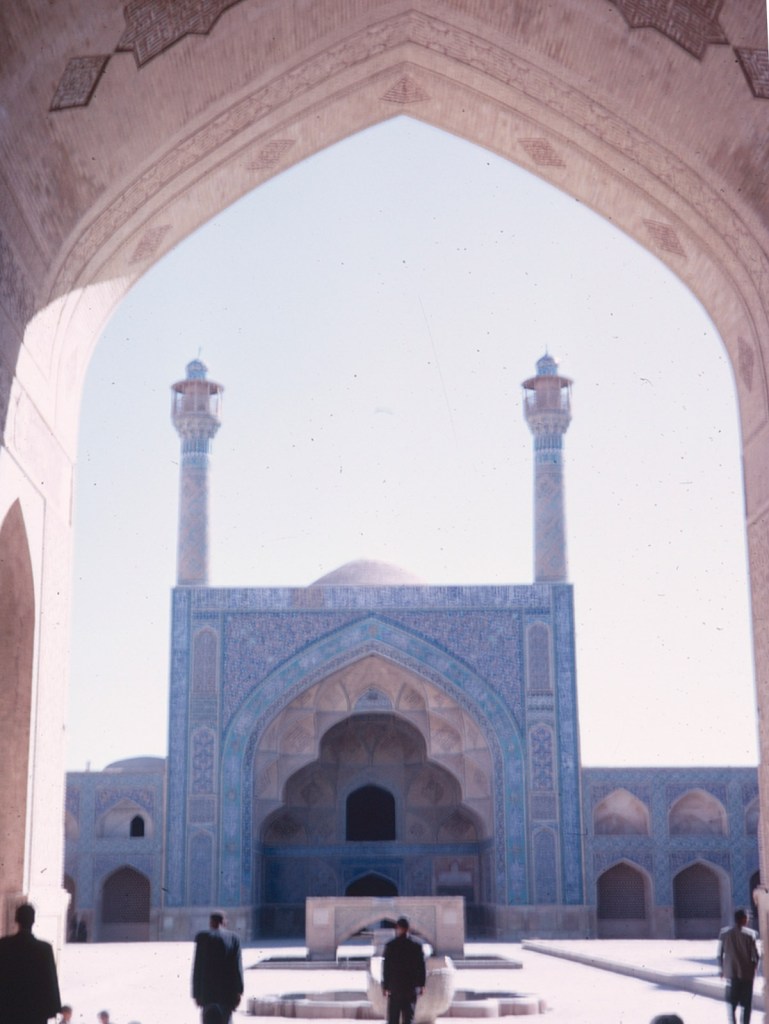
But she enjoyed the various mosques, both with and without her guide – the Loftahah and Kings mosque (more correctly translated as Shah Mosque), ‘pretty much as they were in the 17th century with its imposing entrance and two soaring minarets and beautiful blue dome completed a picture that I had come very far to see.’
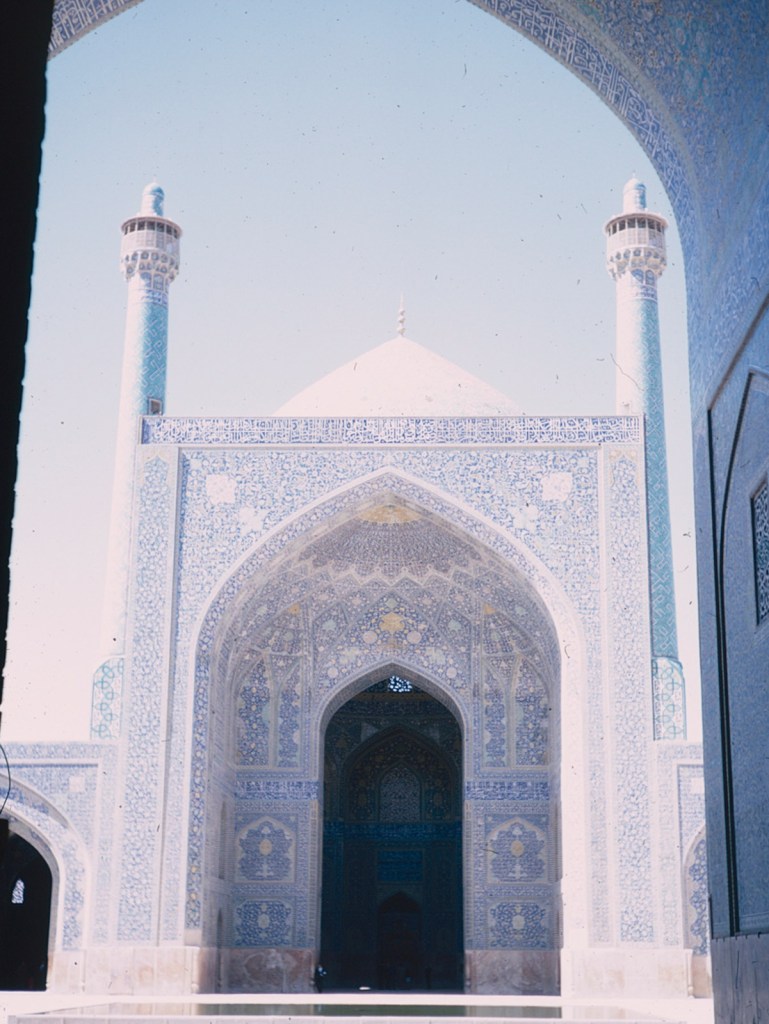
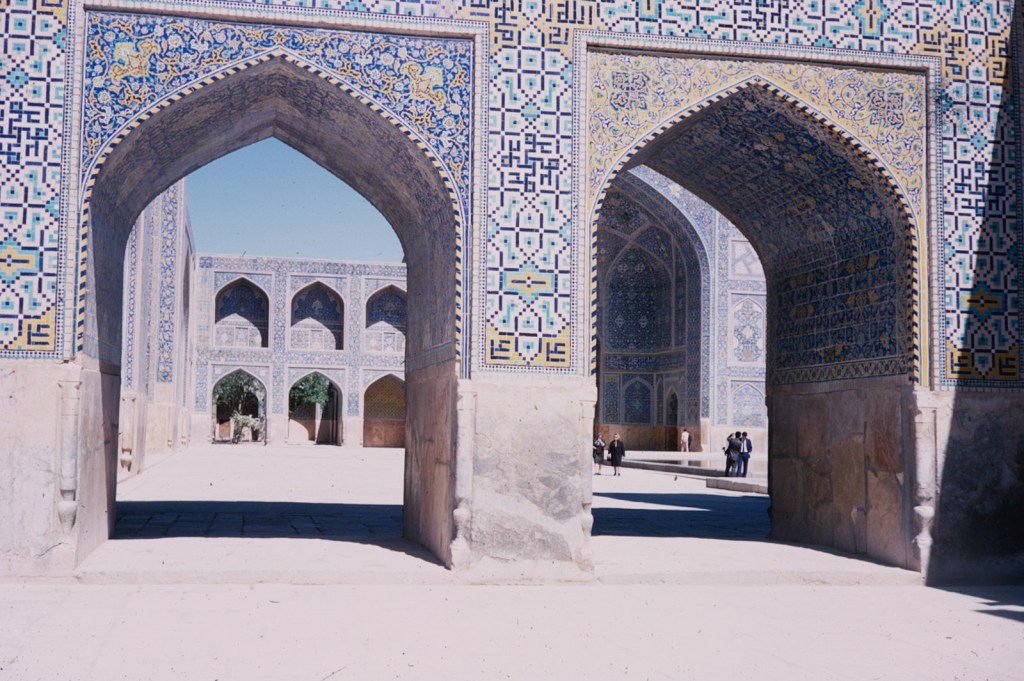
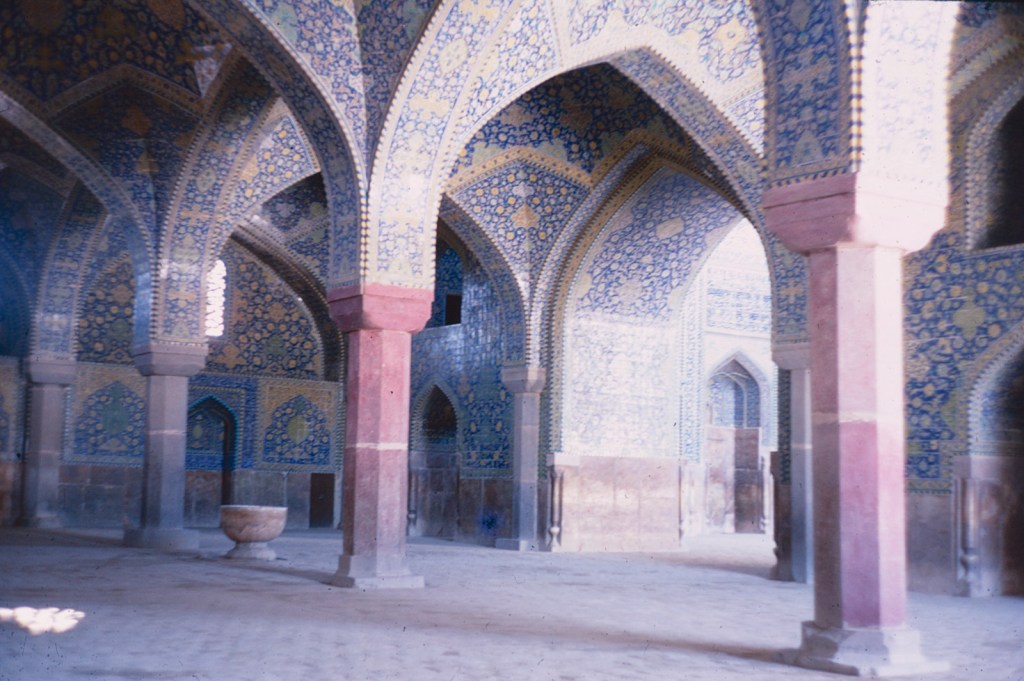
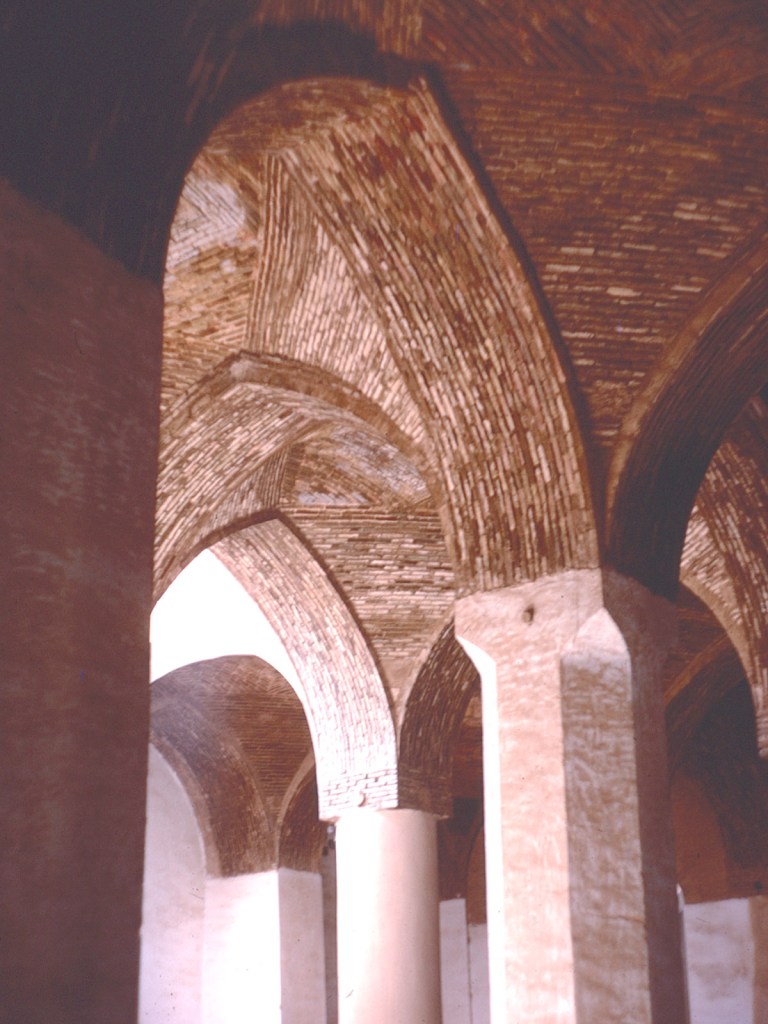
And finally the Jameh (Friday) mosque which was closed the first time she visited as the Shah was in town again and had been praying there, ‘its splendid simplicity of plain brick vaults and pillars’, which date from Abassid period (771 AD), and converted in Safavid times with extra fine plaster, especially the twin minarets and mihrab.
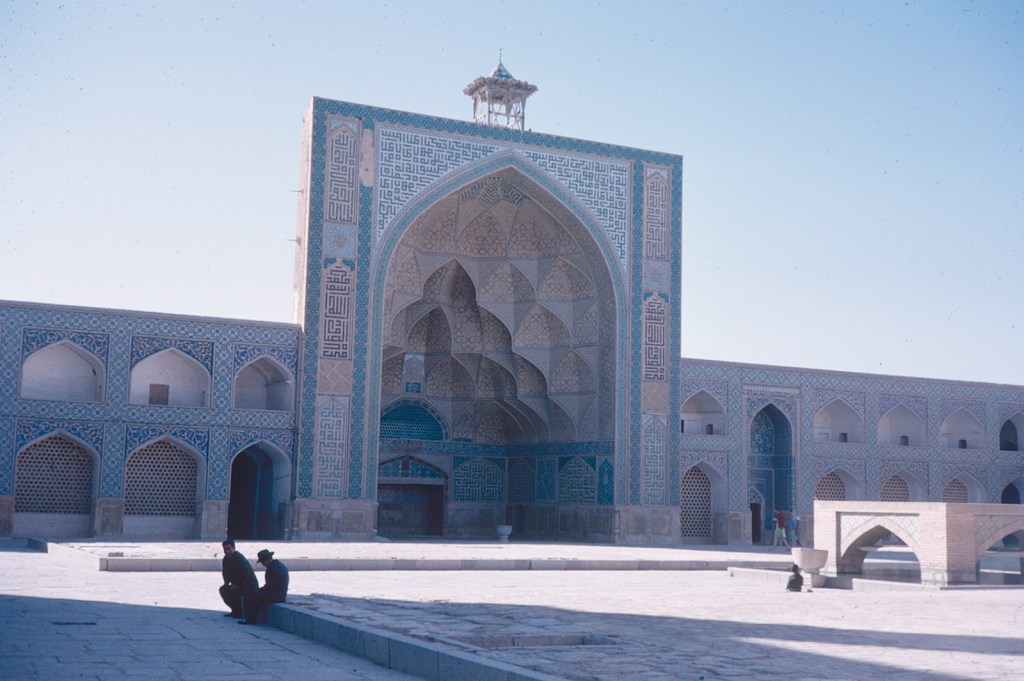
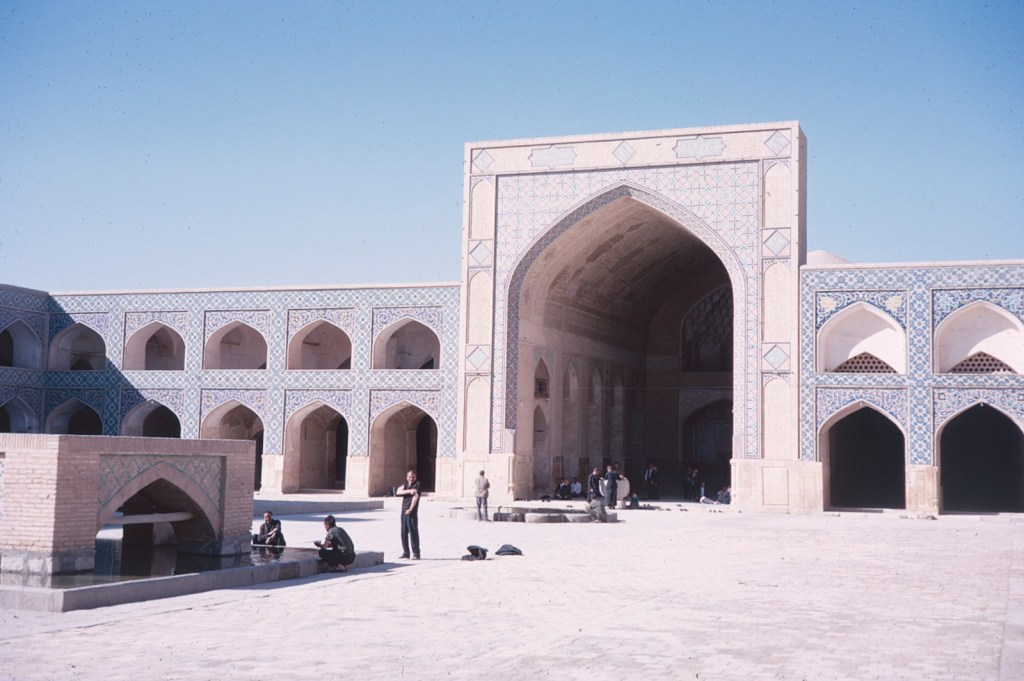
She was surprised to find an Armenian Cathedral, to all intents and purposes looking just like a mosque but with a cross on its dome, and the inside had wall paintings of a ‘tremendous heaven-hell scene which looked very much like a Hieronymus Bosch’.
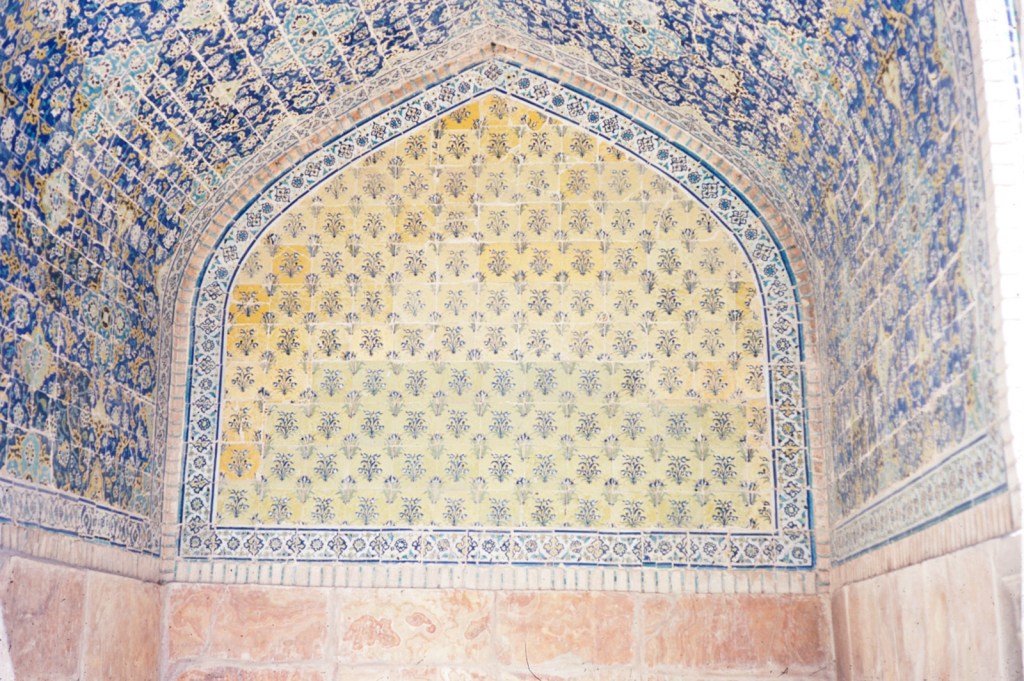
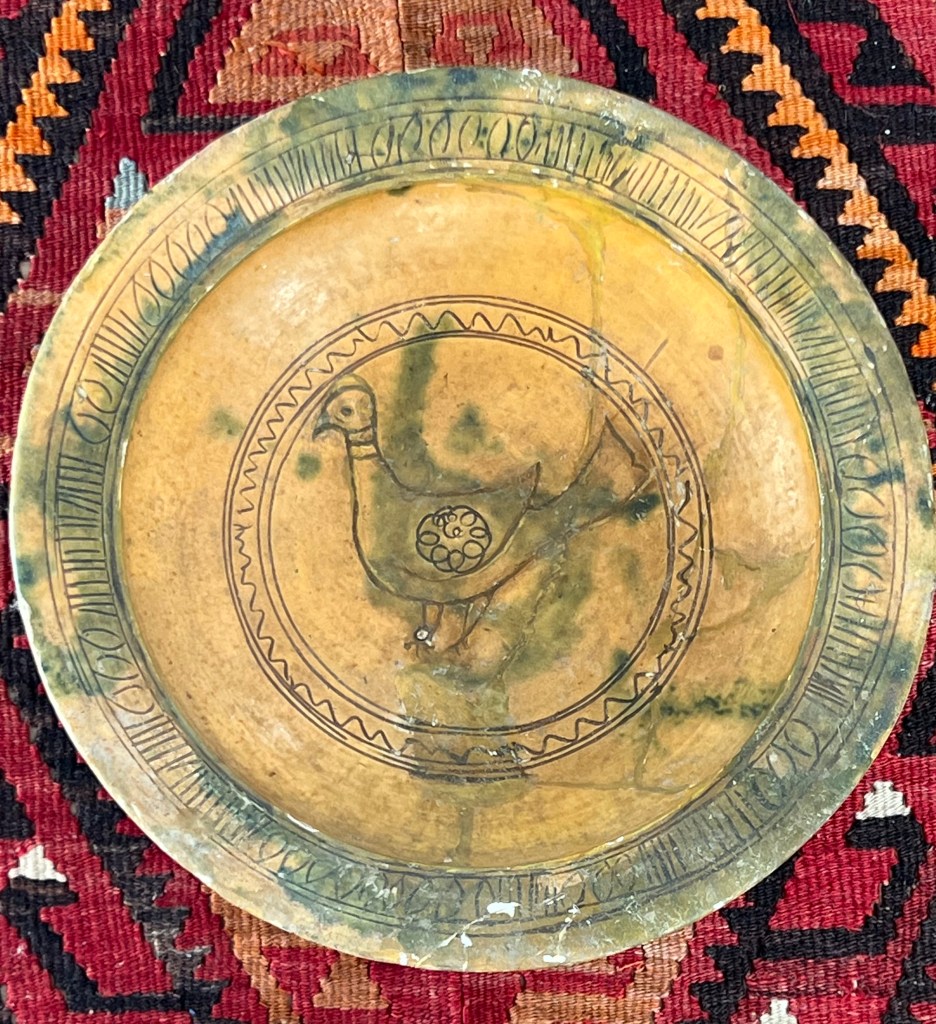
In the Armenian Bethlehem church she also came across lurid depictions of the tribulations of various saints, ranging from ‘someone being hung upside down; next a patient and surprised sufferer being drenched with boiling oil – the king looking on in approval; someone being pitched down a well, and a wonderful one of someone on their sickbed with the demons seizing a pinky figure of a child from his head’. Walking back after this she bought a ‘scraffiato dish with yellow and green glaze, and a bird sitting in the middle’ – which I still have!
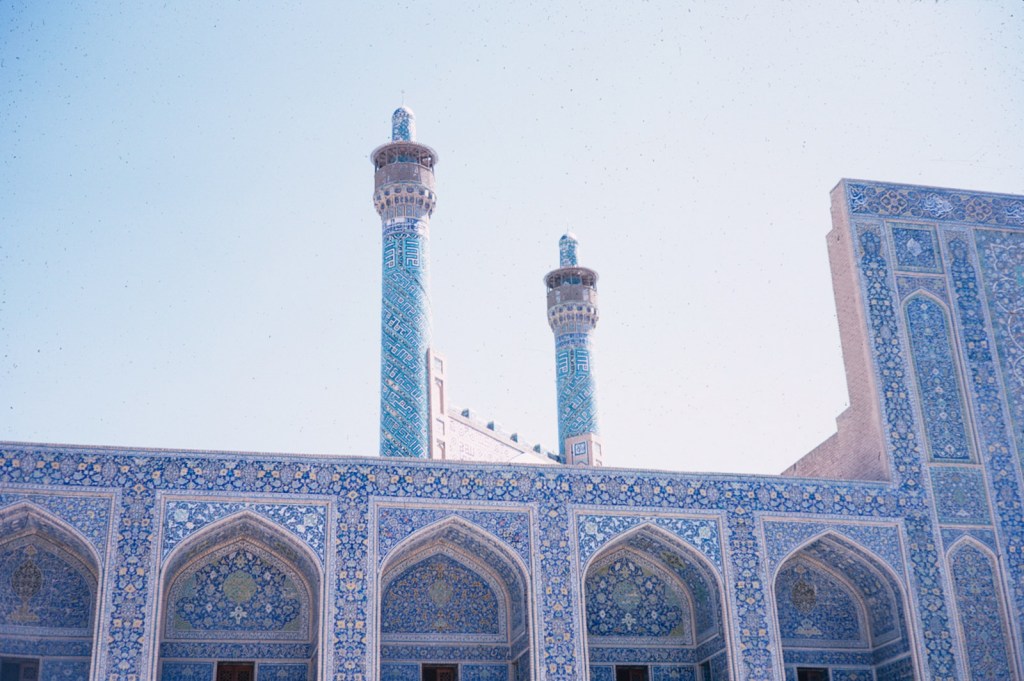
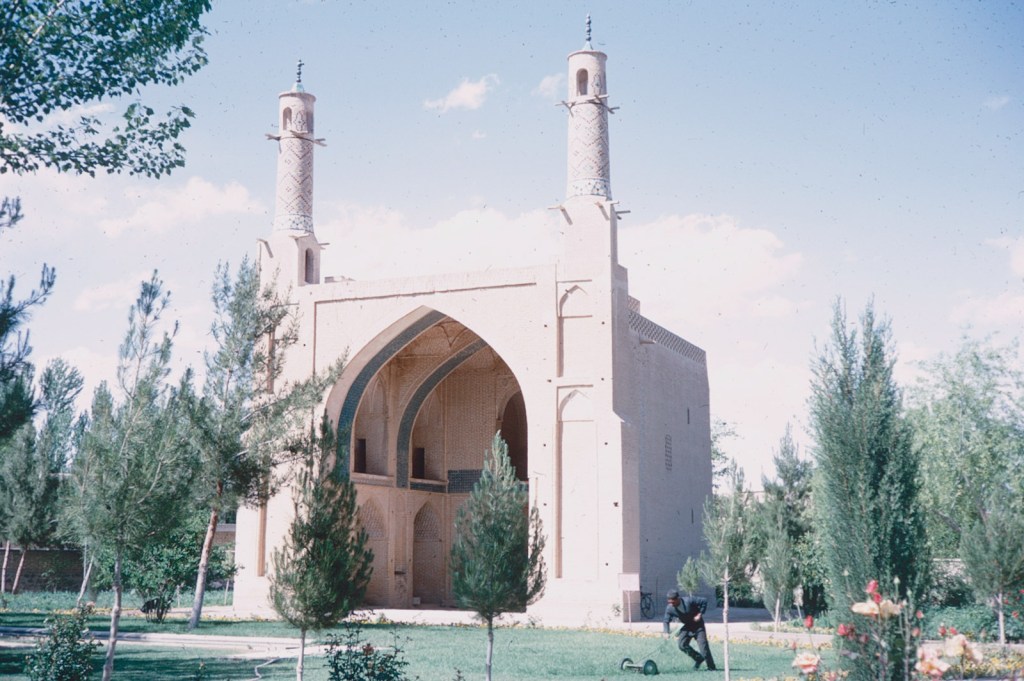
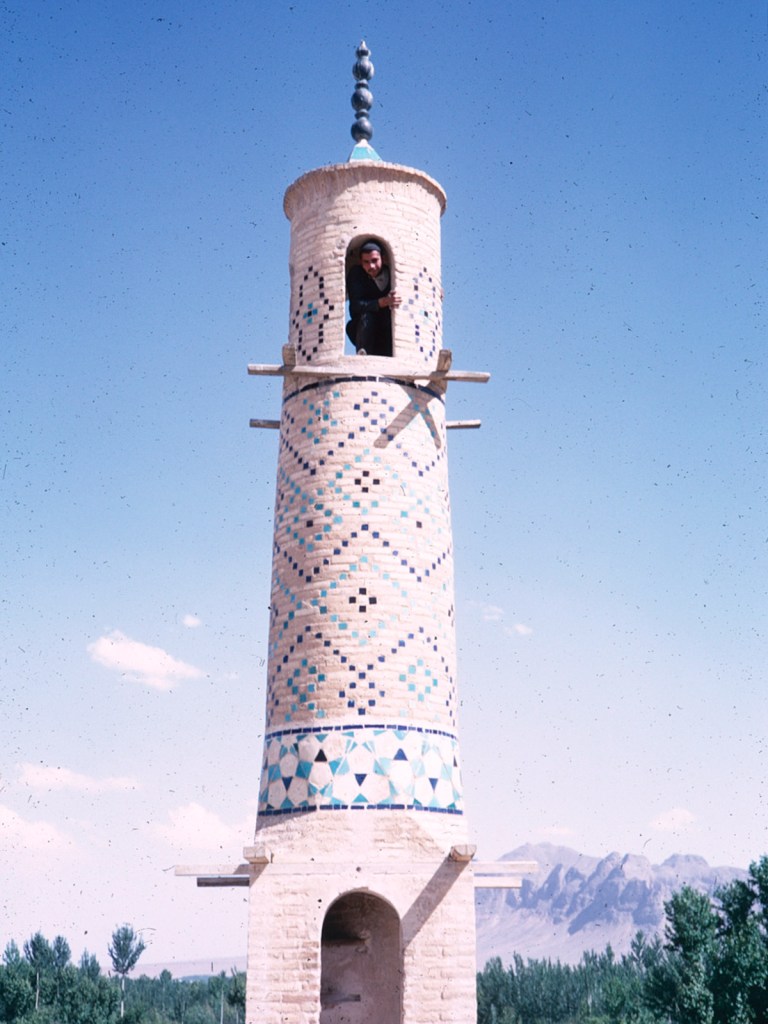
She also ‘puffed up to the top’ of the Zoroastrian fire temple, followed by the mosque with two minarets which shake if someone stands in one of them;
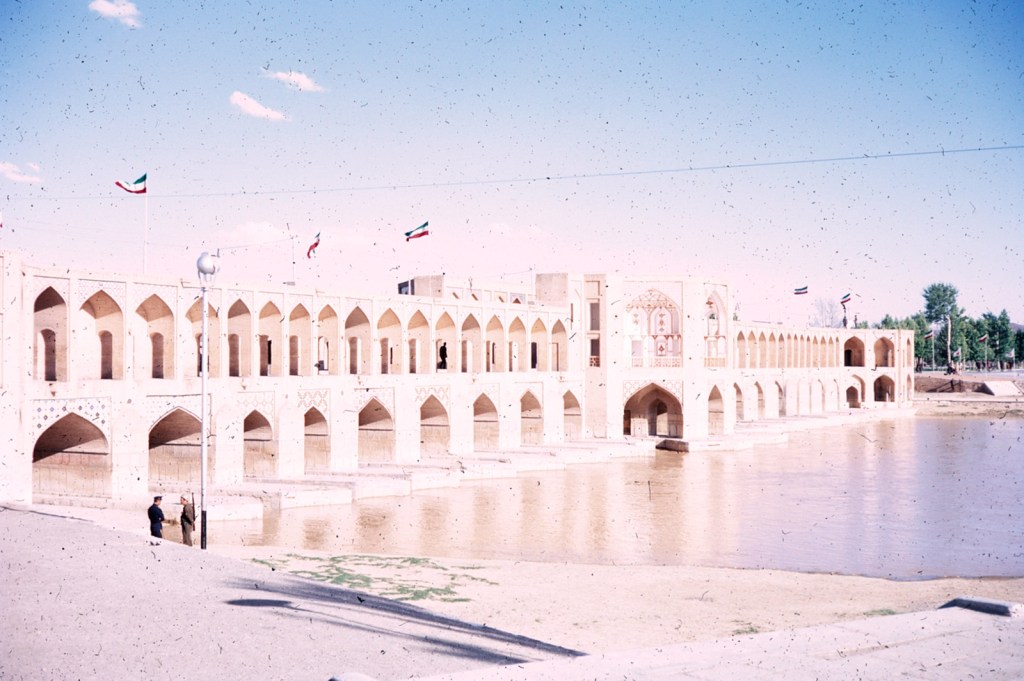
…the famous arched bridge dating from the 17th century;
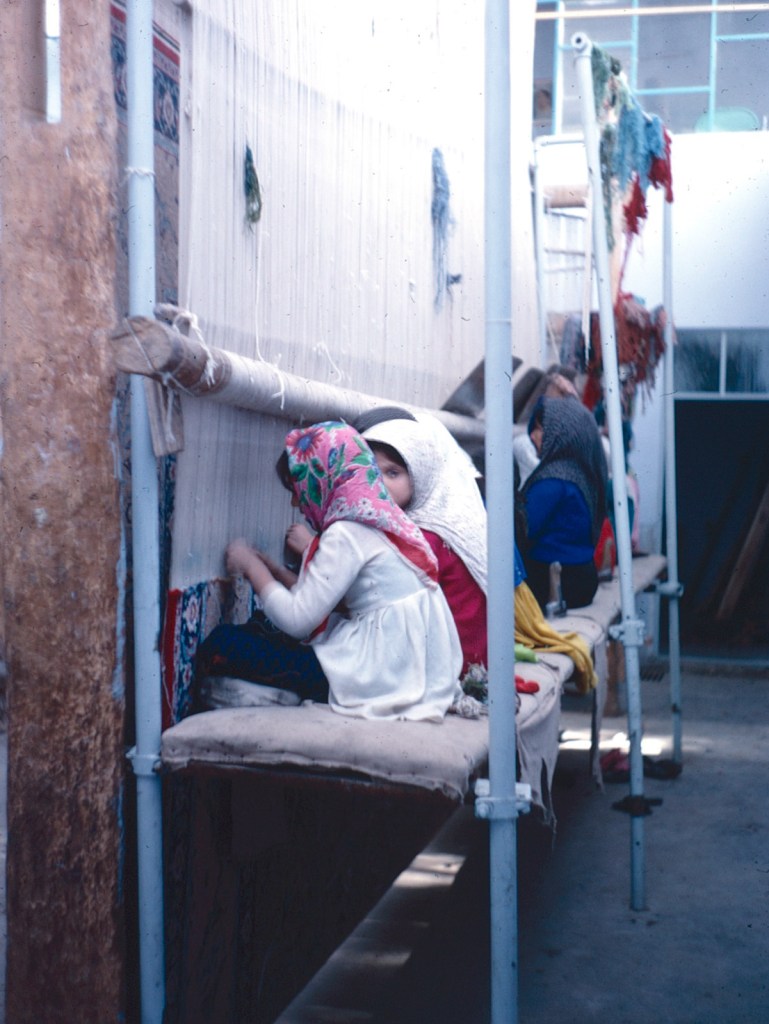
…carpet weavers in a couple of villages outside the town and then a carpet factory where she found girls as young as six at work ‘on the most magnificent huge carpets … singing their patterns and they all seemed perfectly happy and delighted to be visited.’
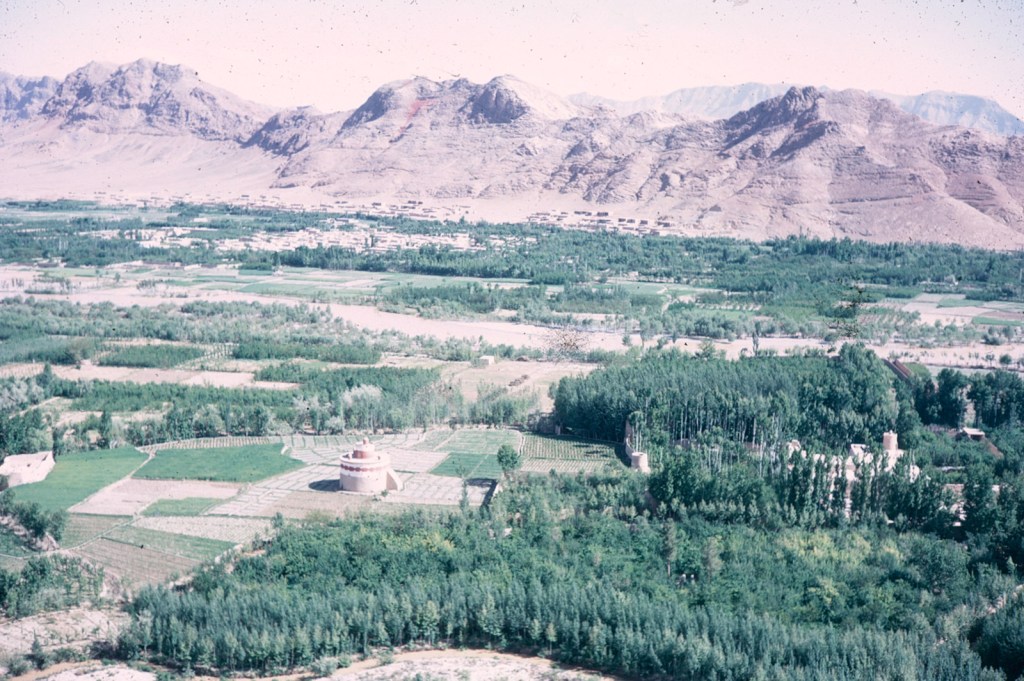
Impression of greenness and plenty with stream channels everywhere and with shady trees drooping over them on both sides; ducks struggling against the tide; orchards behind high mud walls, quince, pomegranates, apricots said to be most common, also cherries, peaches, oranges, mulberries, figs and vines I also saw. Most common tree is: plane; also what appeared to be maple are kind of sycamore, and hornbeam. Pigeon towers. Horse-drawn carts very common horses, large Arab type, and I never saw a thin or badly-kept one unlike Shiraz.
Lack of English a great hazard: whilst trying to check about whether the mosques are open on Friday the waiter thought I meant fried eggs and I had to say quickly, no I didn’t want one. There is a maleesh attitude about the place however; too bad if the cleaners aren’t open on a Friday and you can’t get your clothes before you leave; too bad, you want to buy postcards and the mosque has the key; too bad, too bad. I hope not too bad I can’t get into the mosque today Friday [she did – the Jameh Mosque].
I suspect that, despite the great beauty of the place, she wasn’t sorry to leave (as I wasn’t, I found Isfahan a most unpleasant place in 1976)
Tehran
She flew to Tehran. Here she had an old friend, Struan Bell from the British Council, ‘Australian…dark, noisy and vivacious, with a loud rather unattractive voice, often flamboyantly dressed, she likes the luxuries of life, good wine, oysters, caviar and champagne – yet retains an endearing simplicity which is also naive. You feel like you’ve had a bottle of champagne after an hour with her.’
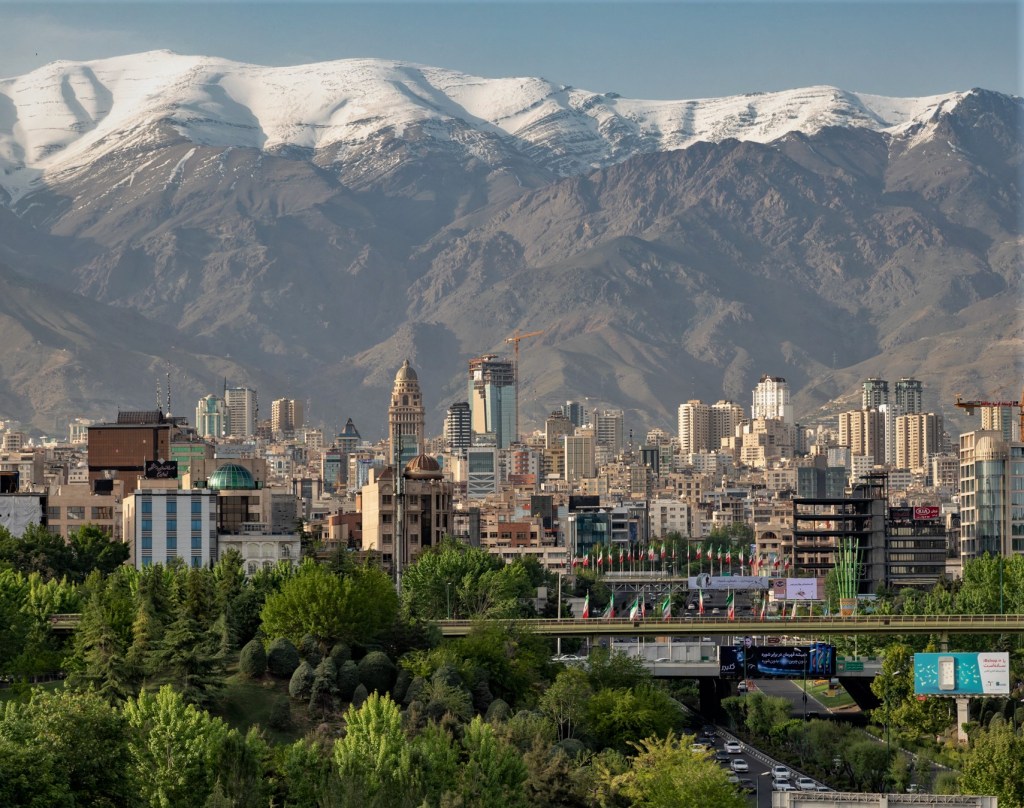
Struan had many Italian friends, including the chief of Protocol at the court and at times she met the Queen ‘who is charming and deeply interested in social and welfare work’.
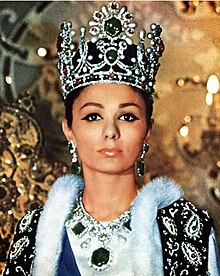
Tehran is a mostly modern city situated on the south slopes of the Elburz mountains which provide dramatic backdrop with a blanket of snow which extended, it seemed, almost to the city. The main street Shah Reza Avenue is a double carriageway with gardens in the centre, and roundabouts also have plants and flowers ‘but there is nothing to compare with Shiraz or Isfahan. Many beggars and the old and infirm or incapacitated selling lottery tickets. The traffic and driving the most hazardous ever – you really are in danger when you cross the street even on a pedestrian crossing, and it is almost impossible to get a taxi.‘
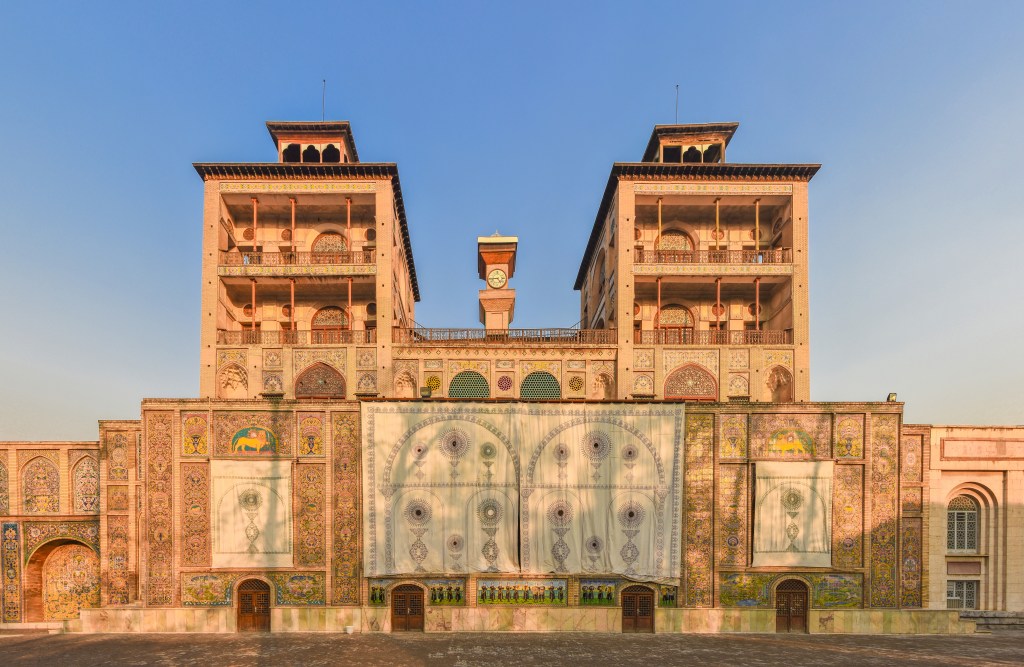
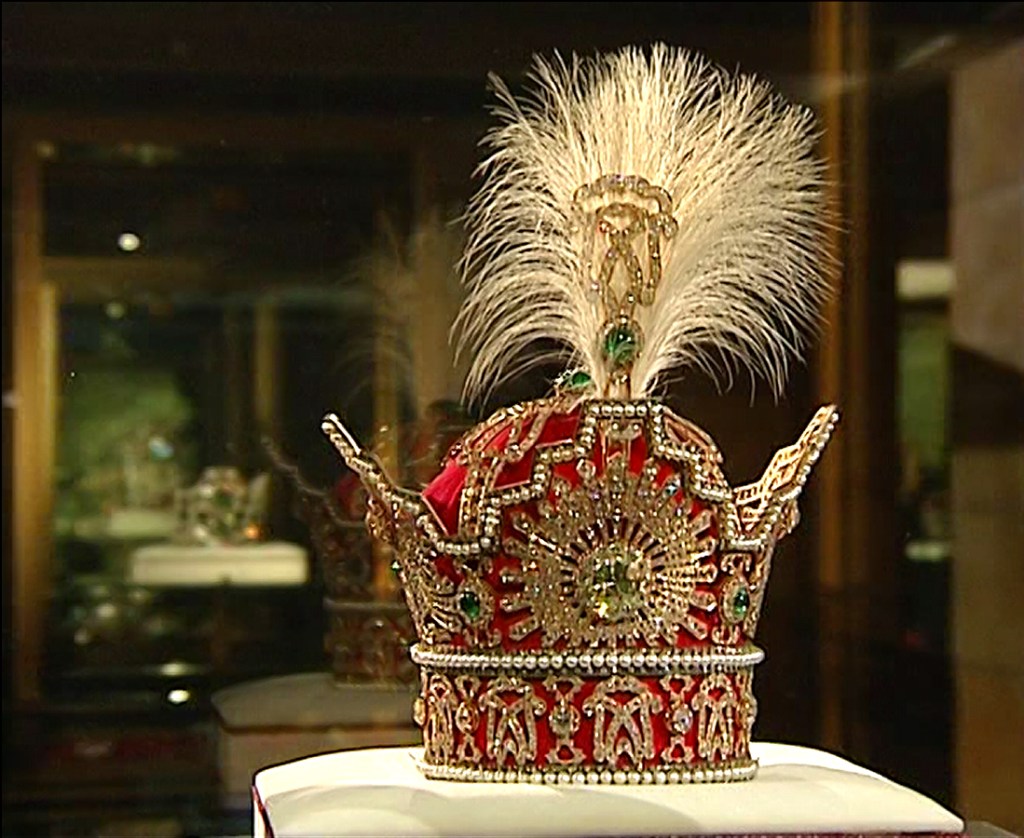
Map in hand she visited the bank where the crown jewels were housed. She was dazed by the imperial crowns and behind them the peacock throne ‘studded and encrusted with all kinds of precious stones, the cushion and foot cushion of gold cloth; behind these were the full collection of jewels and ornaments trays containing vast quantities of pearls, large and seed, emeralds, rubies, turquoise and diamonds too, so many of them that you could only think of them as glass until you saw the fiery glints as you passed.’
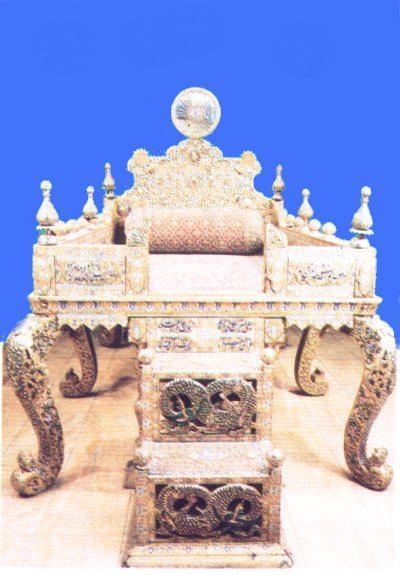
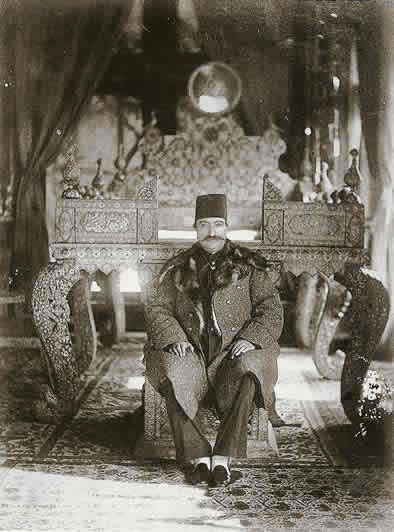
Encrusted weapons with all manner of stones, daggers, swords, boxes for snuff, ewers and tassas and all the time huge smooth lozenges of stones placed around to complete a pattern. it was unbelievable, indescribable, without a catalogue, and unreal.
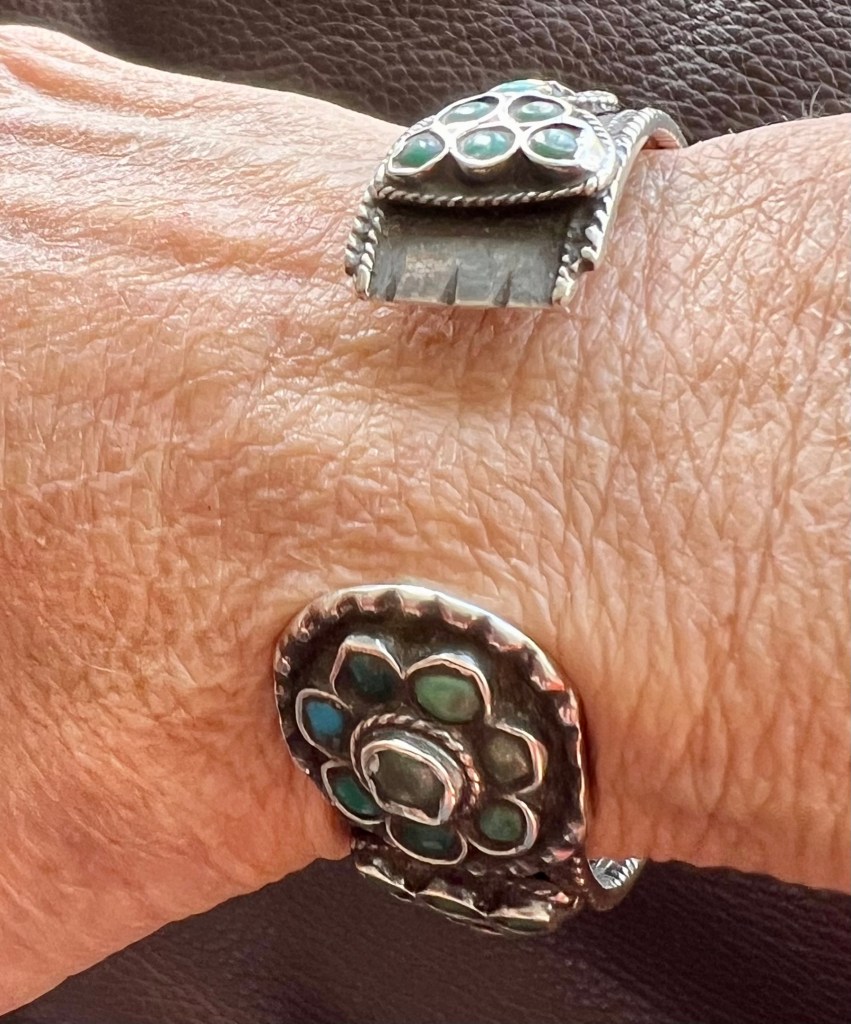
After that she went to the bazaar to do some shopping where she bought me a ‘charming silver bracelet studded with turquoise’, which I wear every day. In fact she bought a pair and she kept one which I gave it to Louise after she died and, after Louise died, I gave it to another very close friend. She always bought bangles in pairs and I now share her half with my besties.
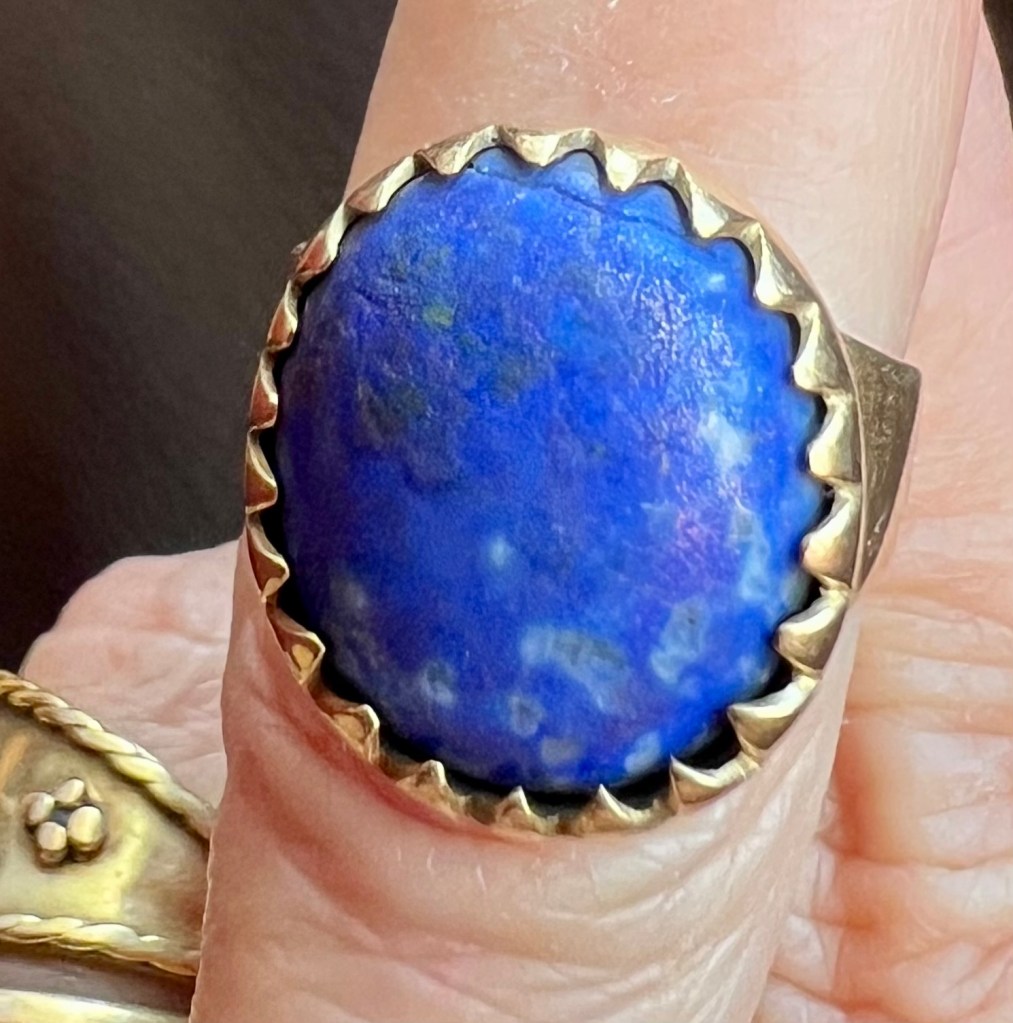
She also bought a piece of lapis for a ring which she had made in Pakistan at a later date, and I wear this ring today. Initially very disappointed with the carpets, which were extremely expensive, she nevertheless managed to find a charming Senneh kelim which she wanted for my bedroom – and indeed I still have this carpet which is in our Swiss apartment. Struan and her Iranian friend were absolutely amazed by her purchases and the prices that she had managed to negotiate.
After a very late night with Struan, she set off for the airport in great trepidation as she was to meet Tom my father, ‘who appeared to think that this was going to be a great rapprochement and that Diana and I will get on like a house on fire, and had even had thoughts of my staying with them, but even they had thought it might be a bit harrowing for me.’
Once airborne she asked the steward for a brandy to calm her nerves and was very pleased when a huge Remy Martin was conjured up as she flew over Turkey. So ended her travels in Arabia and Persia. I’m sure her heroine Freya Stark was much in her thoughts during this trip …
 Travels with my mother