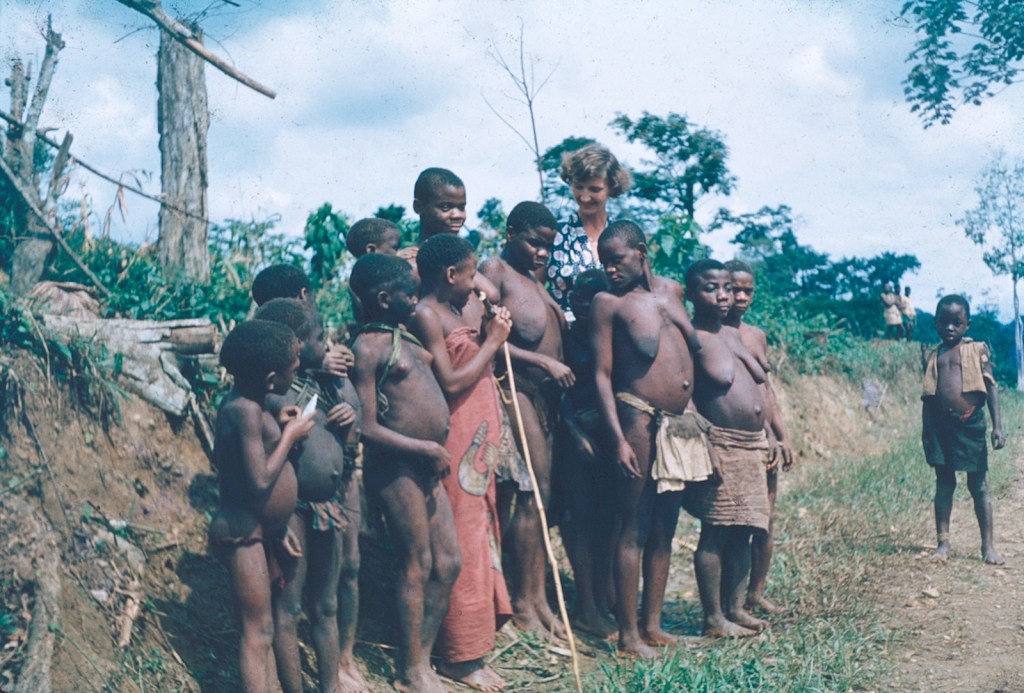
In 1955, before transferring to Tukuyu, they went on leave to the Congo via Kisoro and Kabale, in Uganda, stopping off in Ruanda Urundi as it was then known, and finally to the the Ituri forest to see the Batwa – she calls them Pygmy, as was common then.
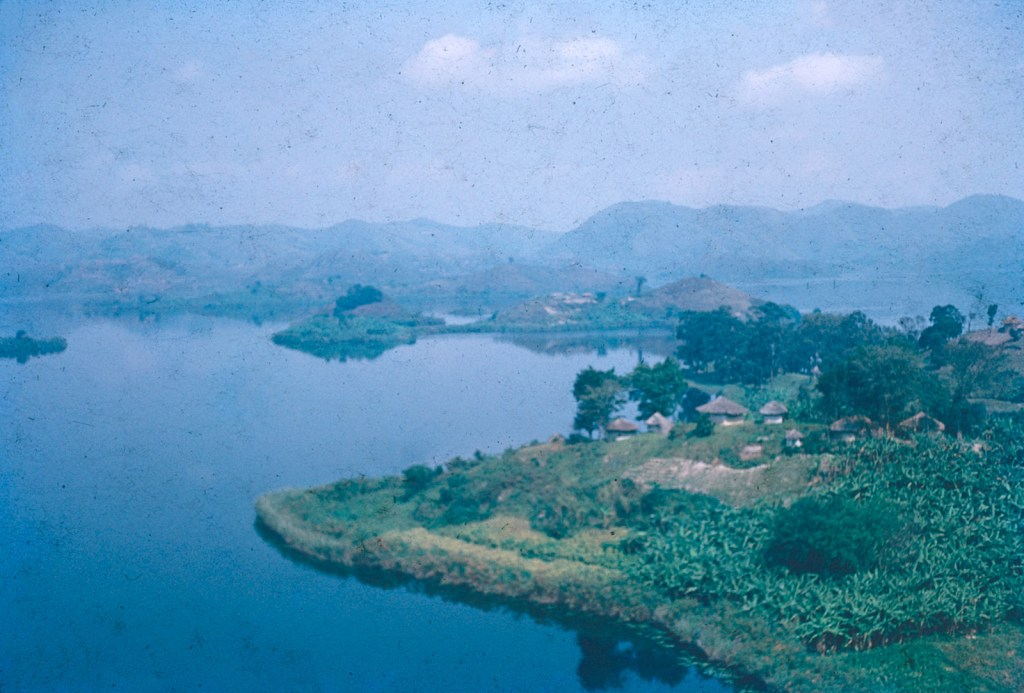
Their first stop was Kabale in Uganda, ‘high in the hills, cold and misty in the morning’, before going on to Kisoro via a ‘delightfully beautiful mountain road’, where they camped in the government rest house.
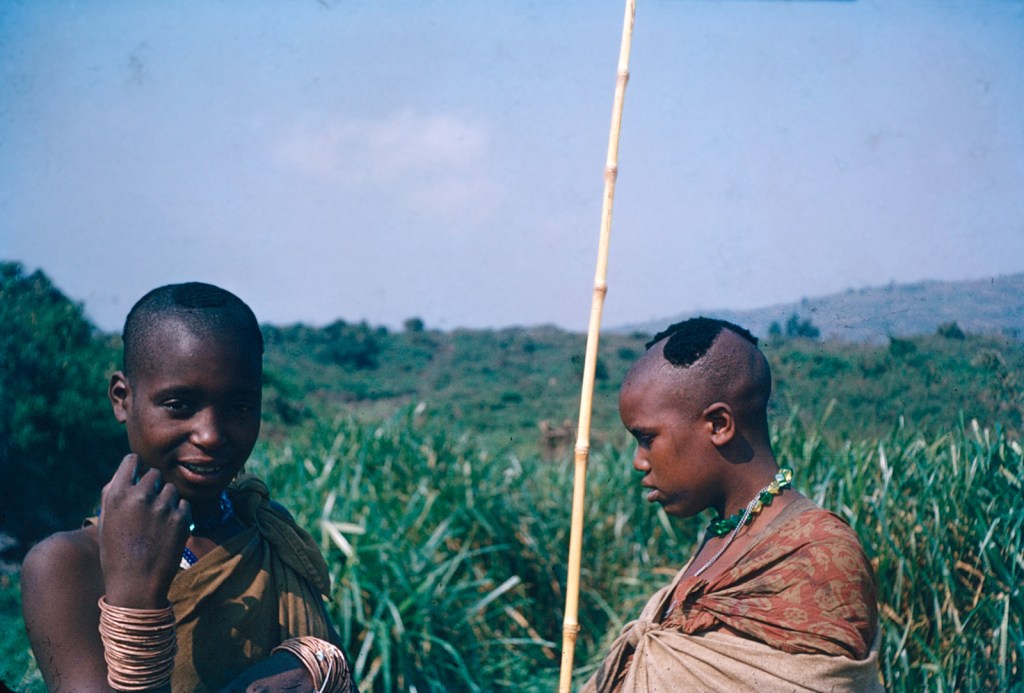
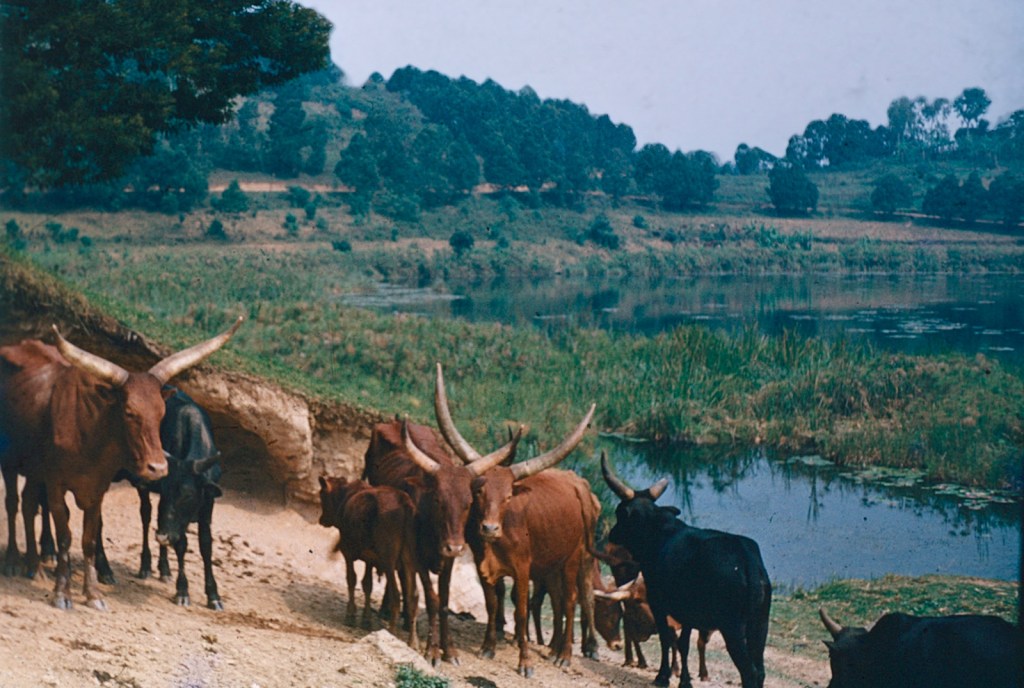
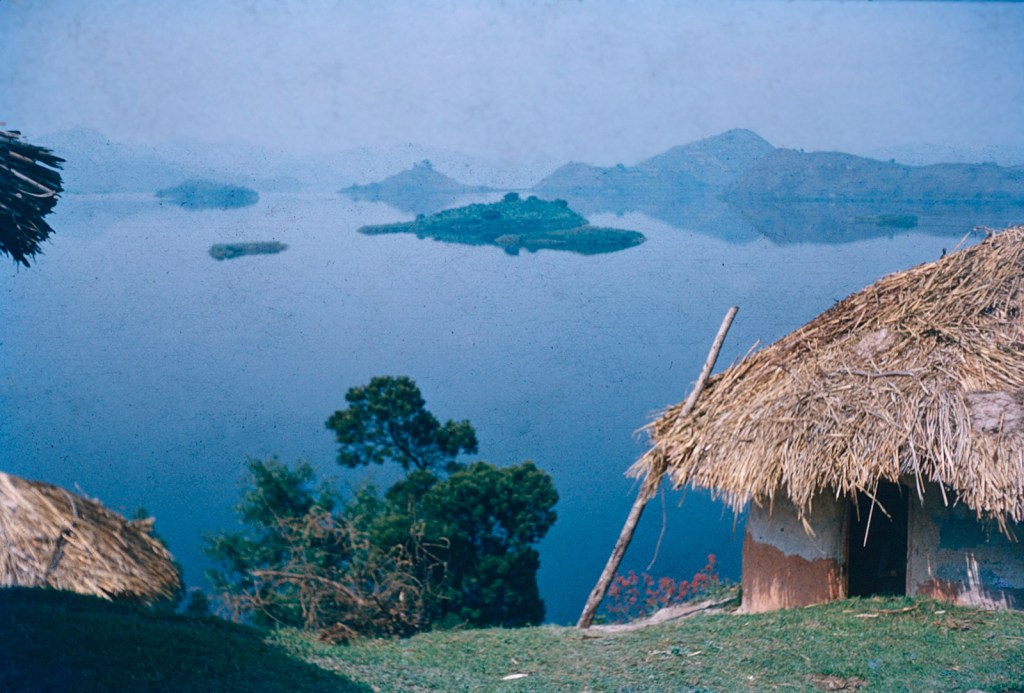
They visited Lake Mutanda, ‘calm like ice with little huts perched on the surrounding hillsides, before going to the Bwindi impenetrable forest, to track gorillas – where Ross and I also went gorilla hunting in Uganda in 2007.
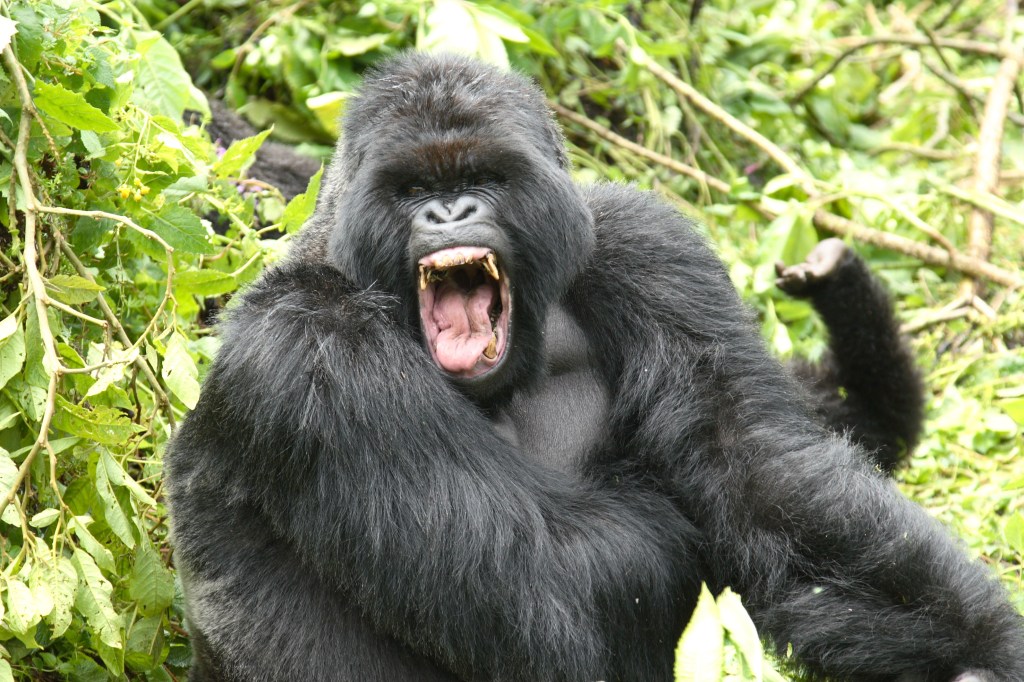
The next day we rose very early to go up the mountain to look for gorillas taking five pygmy-like trackers and a local guide as well and the normal hangers on. The climb up the mountain nearly killed me but Tom lent me his stick and hauled me up. Once in the forest the guides dispersed and then rejoined the party and led us to a grassy knoll on the edge of the bamboo forest, telling us to be quiet and wait, while one went up the path to have a look, returning immediately in a high state of excitement. The guide very cautiously went up the path followed – as luck would have it – by me. Imagine my horror and surprise to see a huge gorilla about 10 feet away up the hillside sitting in the path and silhouetted against the skyline. It had a pointed domed skull and huge nostrils. As I raised my camera to snap it, it made off into the bushes. Oh I forgot to say it gave the most bloodcurdling cry just prior to my seeing it. We all gave chase through the almost impenetrable bamboo and up and down the almost vertical hillside. Twice we came very close and it gave us again dreadful roars. The trackers all said it was very dangerous as it was alone and we decided to go down. I was so worn out, I didn’t know what I should’ve done had it charged. Now I hear that gorillas are very very seldom seen and considered very dangerous, so I have been very lucky.’
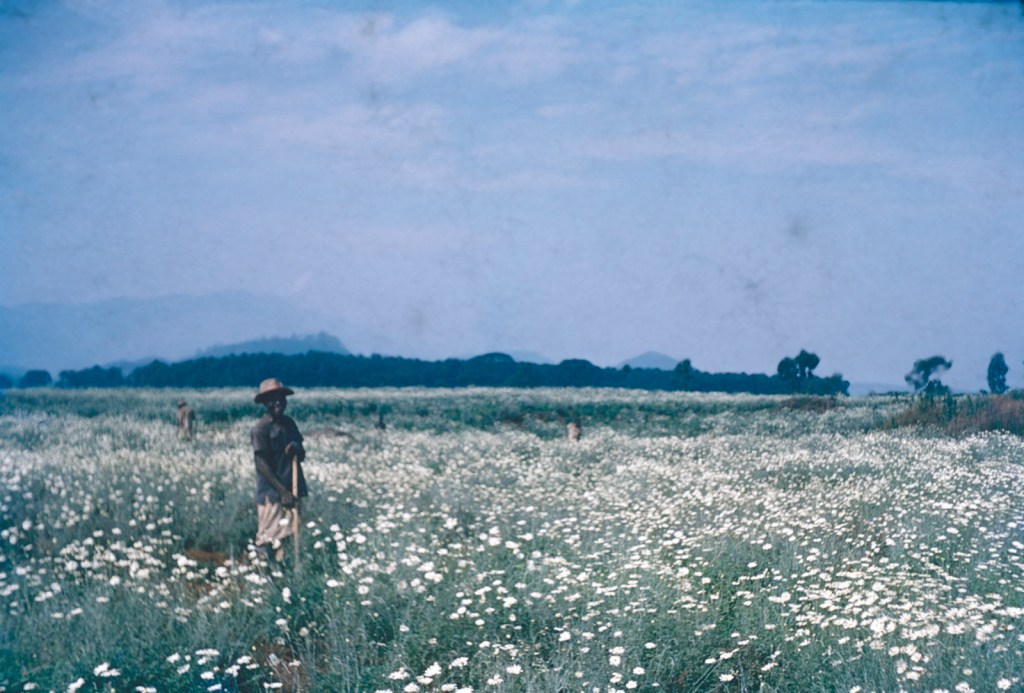
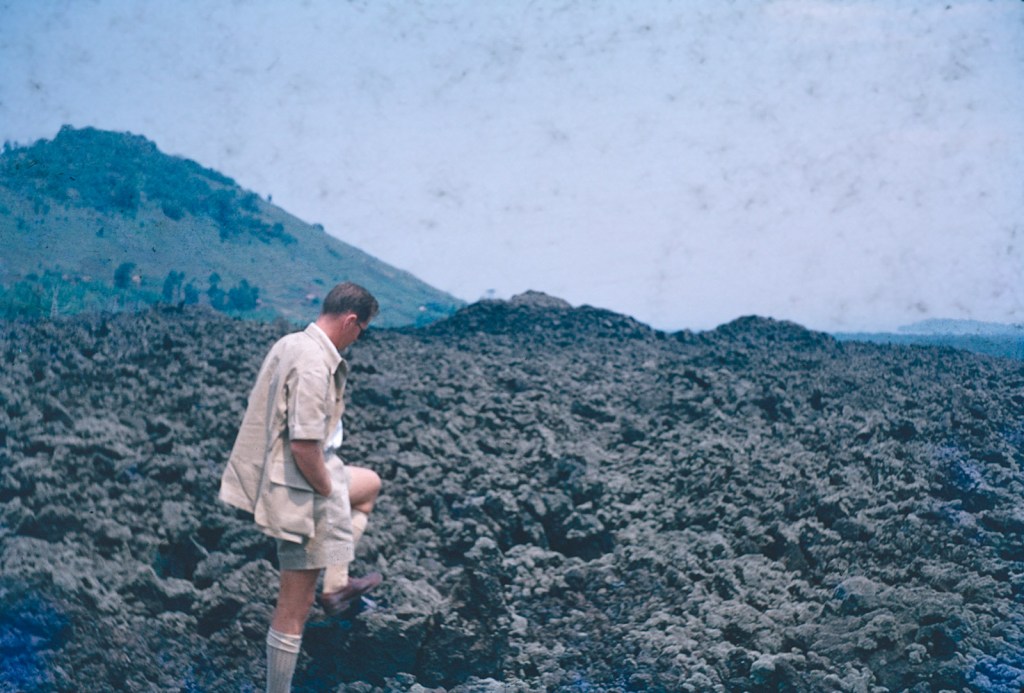
Then on to Ruanda Urundi, via a pyrethrum estate and a quick visit to Goma and the lava fields, where they camped at Gisenyi, on the shores of Lake Kivu. When we stayed there in 2007, it was the site of a Serena hotel owned by my boss HH The Aga Khan.
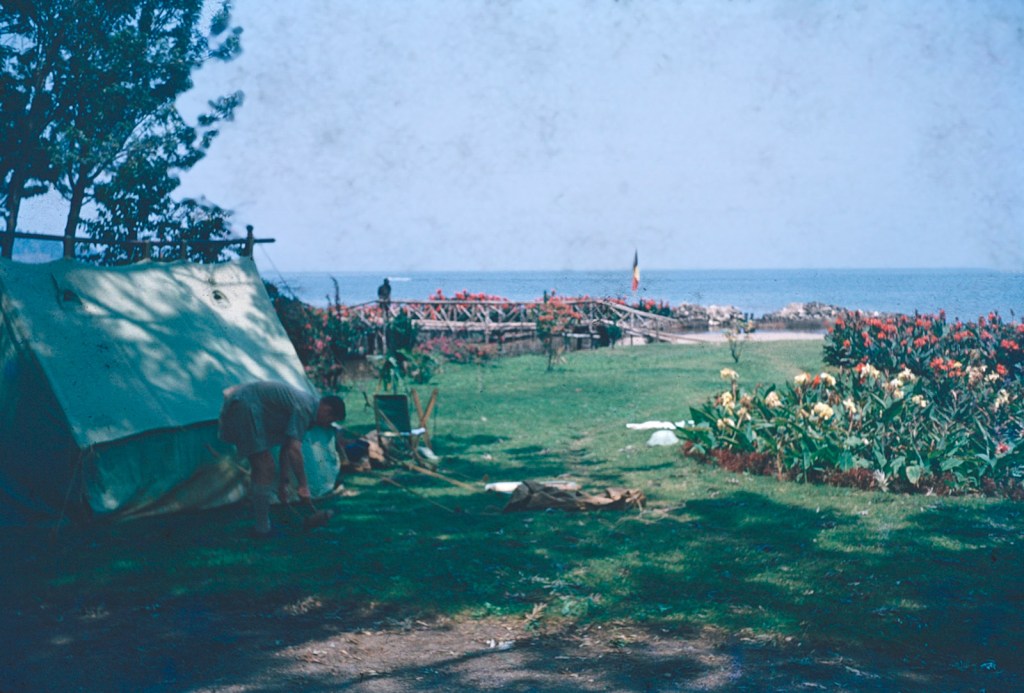
From Gisenyi they went north over ‘an amazing escarpment and on through very hilly country via a twisting road’ until they got to Beni in Congo – ‘very green and pretty’.
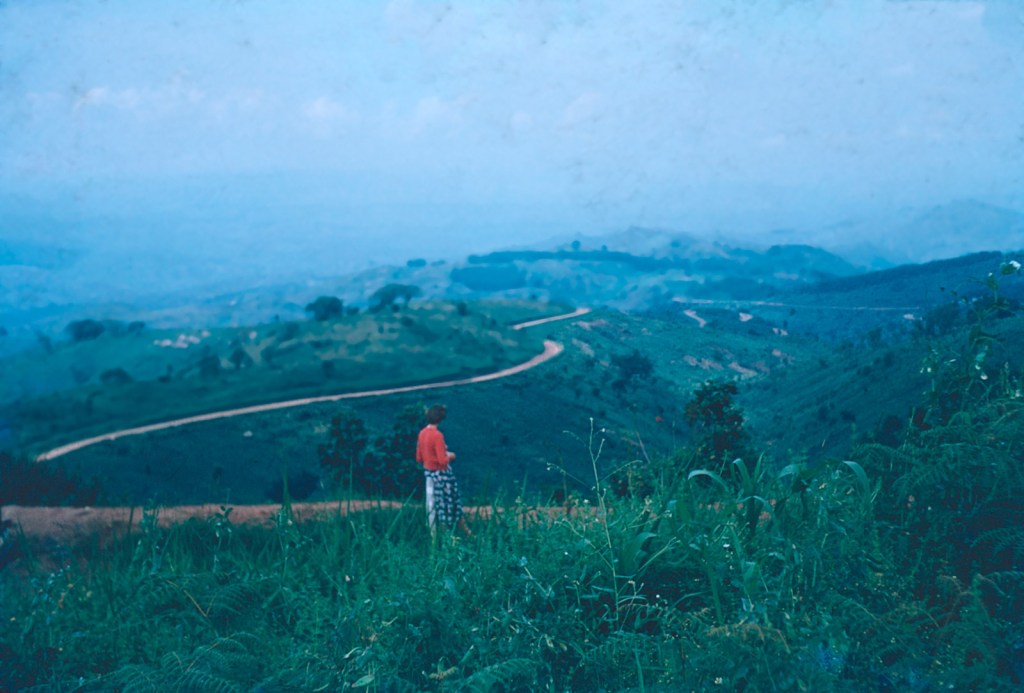
Having camped overnight at a government rest house they rose early to go to an elephant training camp, ‘an unusual bit of enterprise as they are supposed to be well-nigh untrainable’, in search of Okapi, ‘a very rare sort of beast’ – not seen!
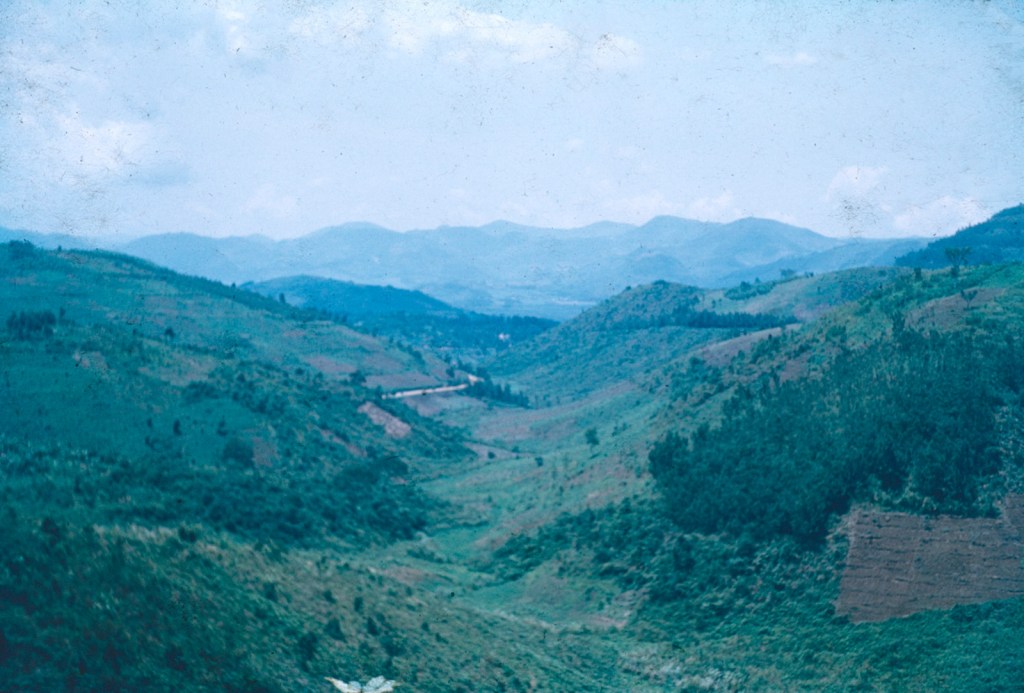
‘Our road took us through an immense jungly forest – the Ituri forest – with trees over 100 foot high and dense undergrowth…
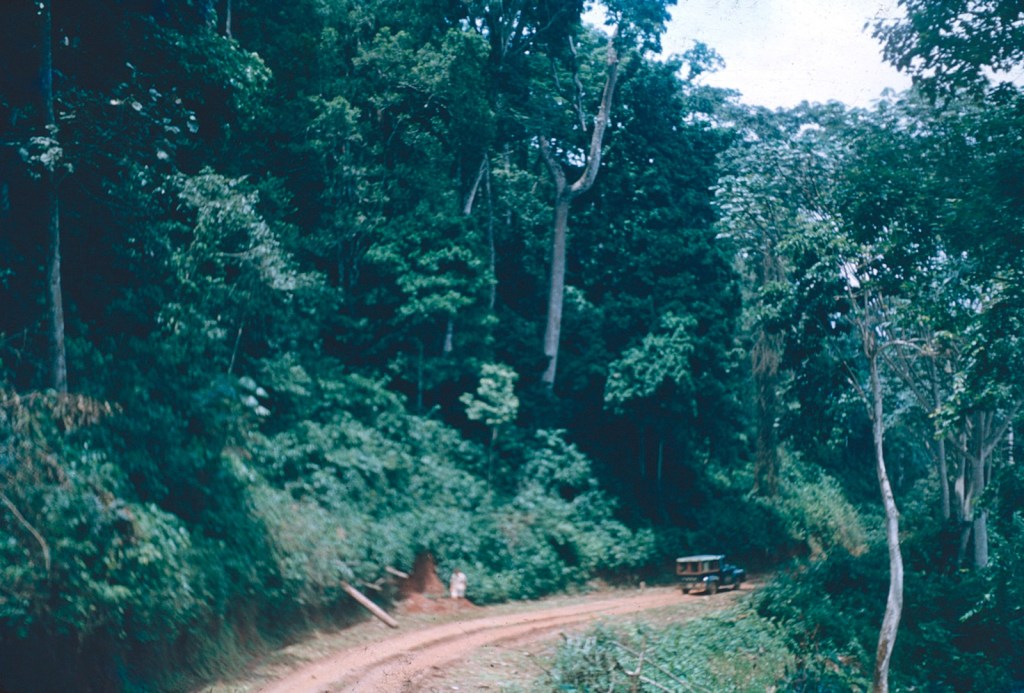
…At length we decided not to go on but to see what we could see of the pygmies…we found a settlement without difficulty and were proudly shown everything by their ‘capitaine’…pygmies are well built and sturdy, about 4 ft in height, they wear only a brief loin cloth made of bark cloth…
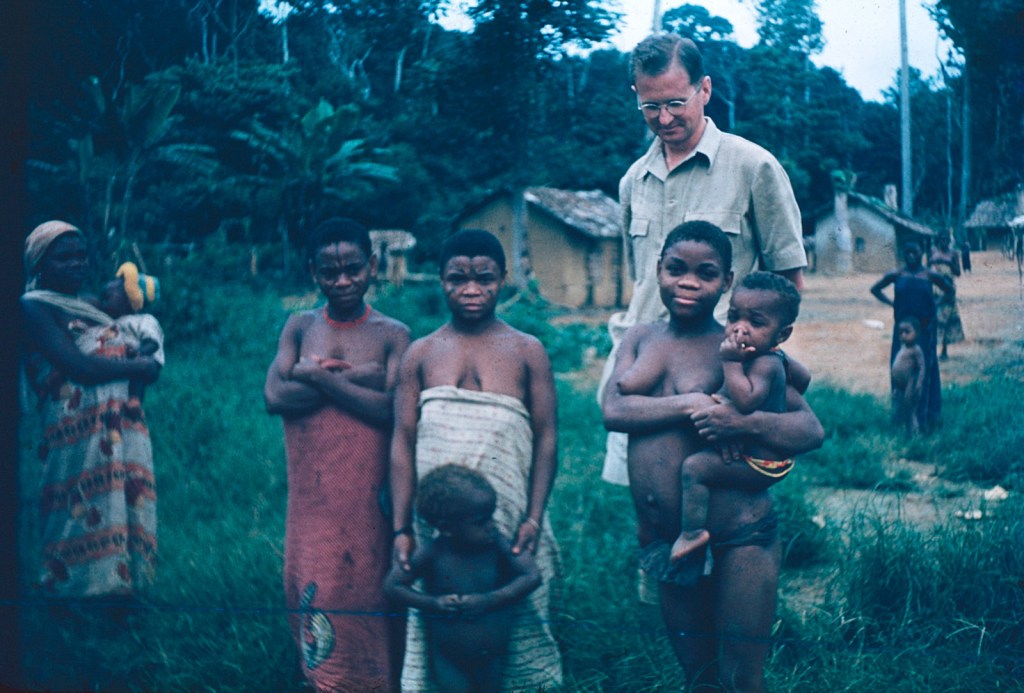
Huts are built from bended poles laid over with leaves and we were shown their special sort of resting stool [made] from a natural tree trunk, which looked like a hat stand on its side, on which they recline – most amusing.
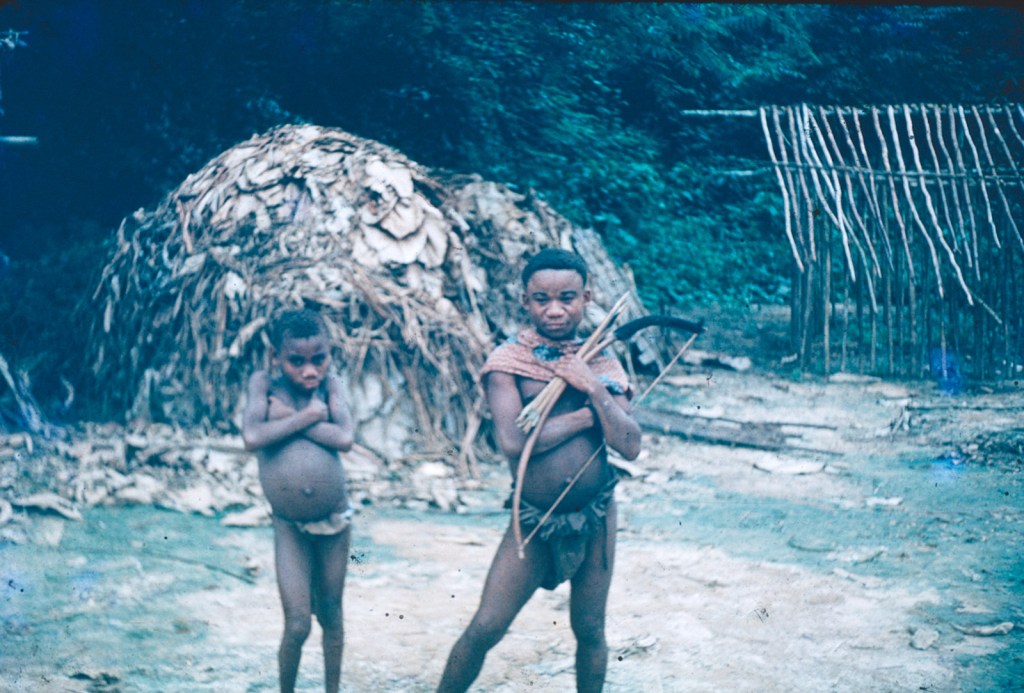
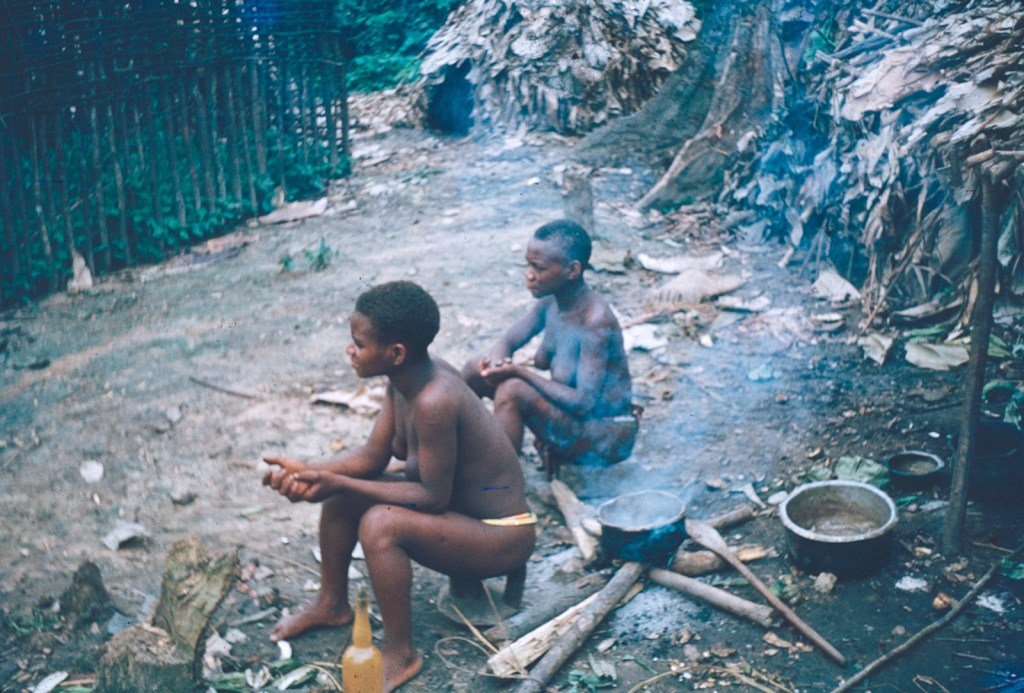
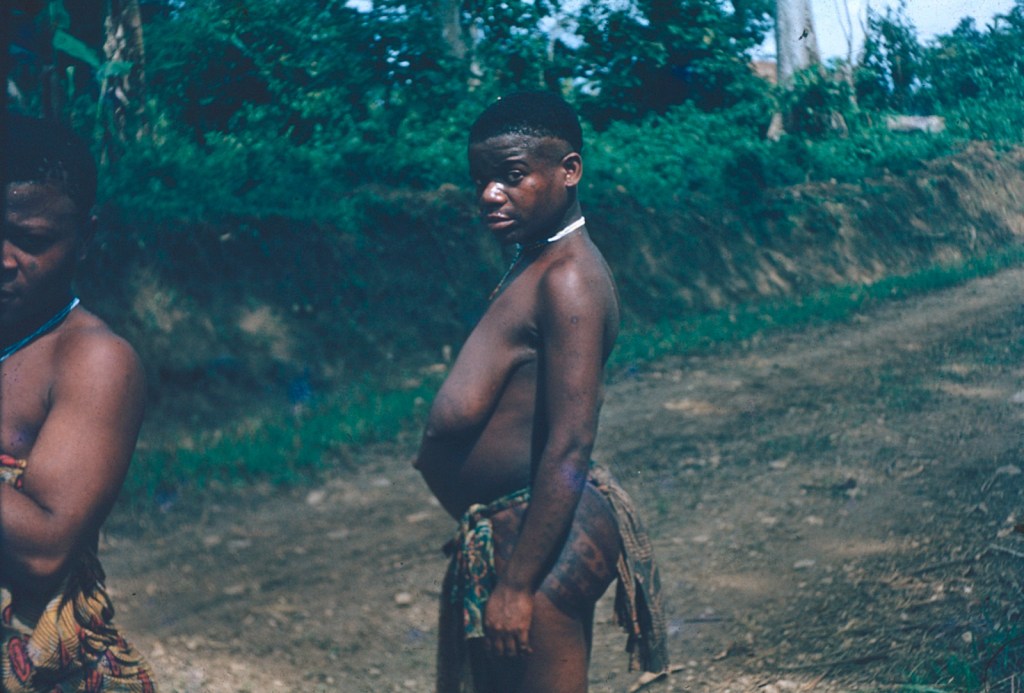
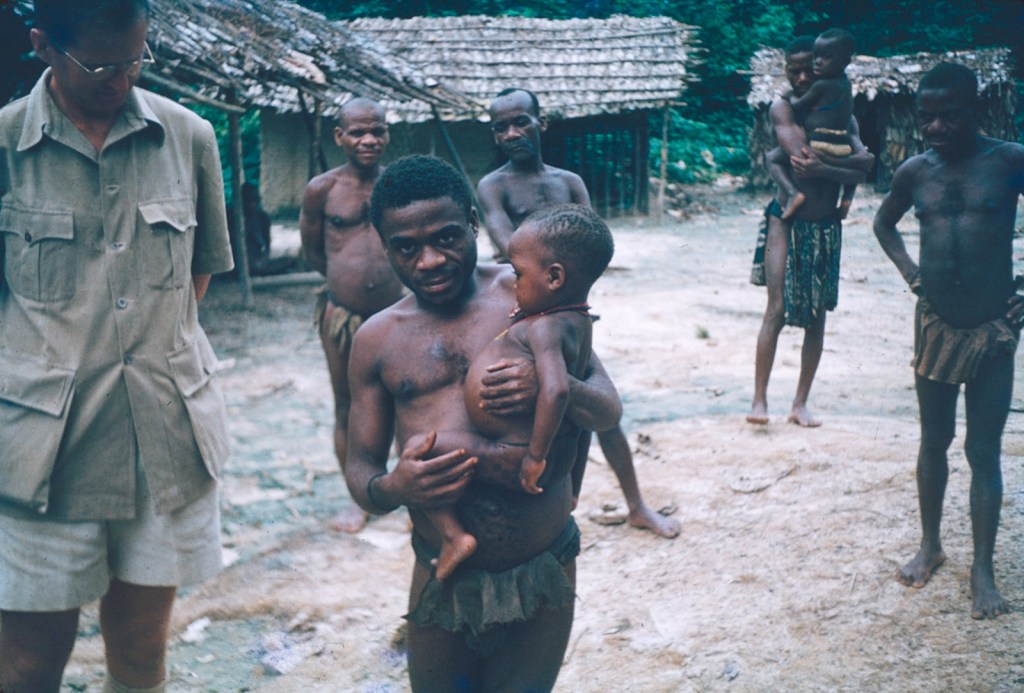
They hunt wild animals with bow and arrow and drive them into their nets. They weren’t at all demanding of money and quite delighted with chocolate and biscuits which we dealt out’ .
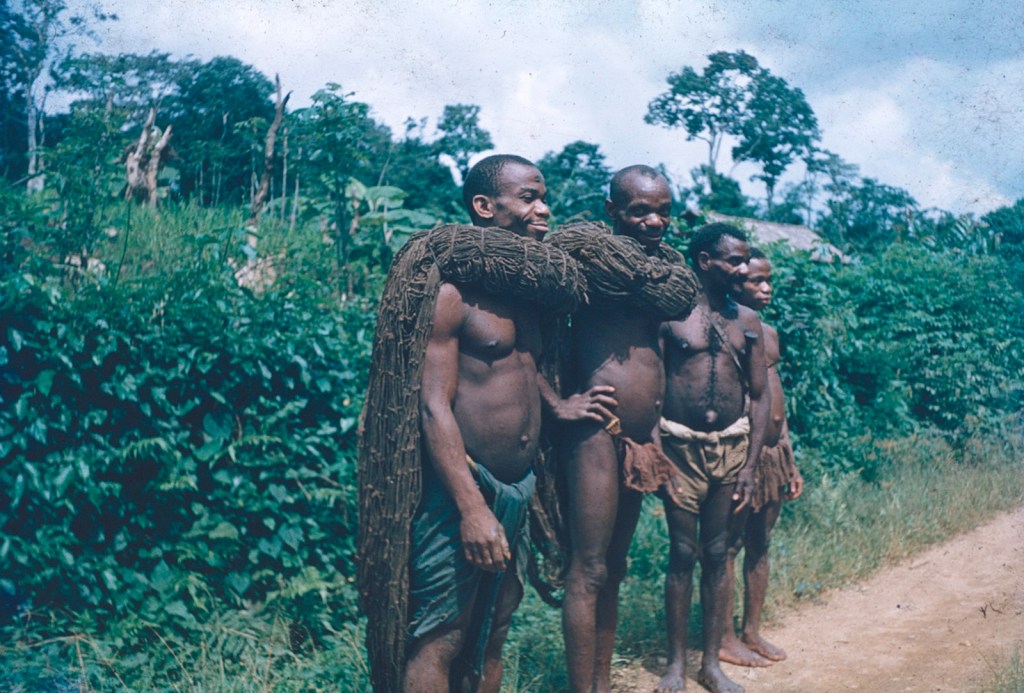
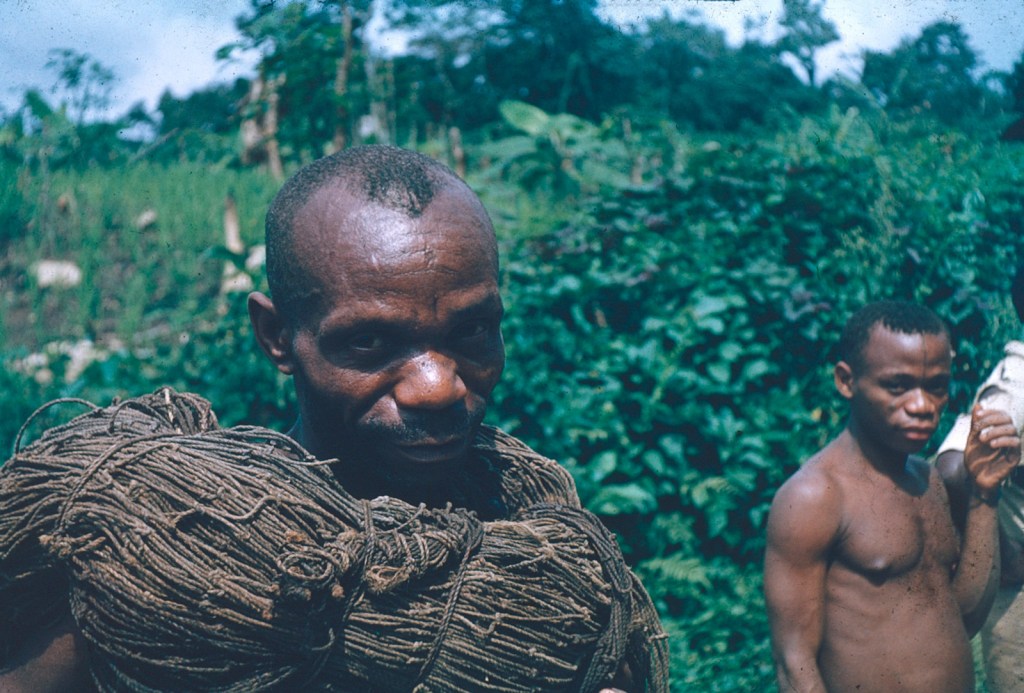
They returned via the Ruwenzori Mountains of the Moon (‘where Solomon’s treasure is said to be hidden’) and Queen Elizabeth Park – ‘but we didn’t enjoy it as much as Bwindi and by this time we were blasé’ – and finally home to Geita via Mbarara and Bukoba. Shortly after they moved to Tukuyu.
 Travels with my mother